Technology
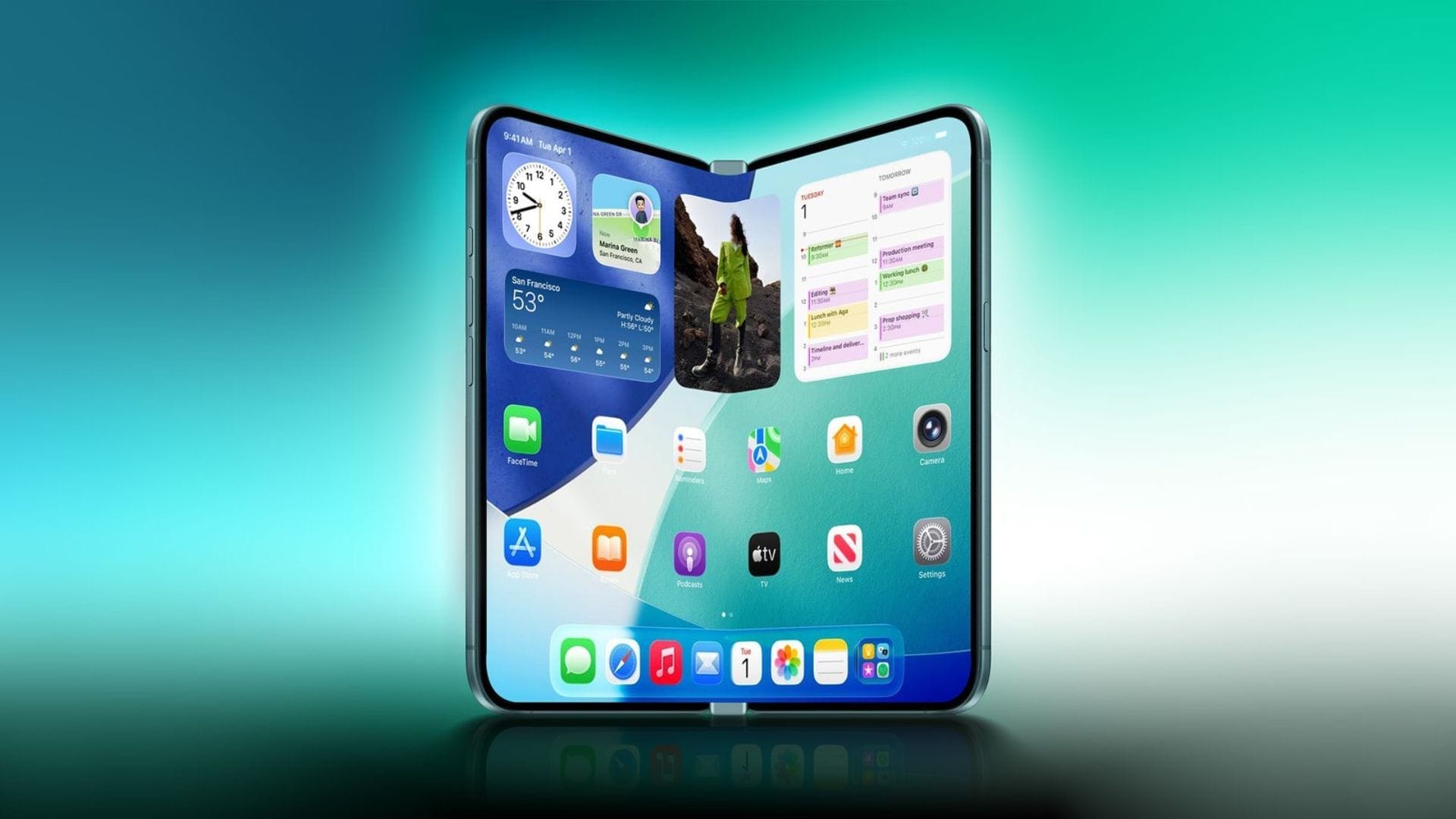
Apple foldable iPhone could resemble two iPhone Airs joined together
Apple’s foldable iPhone could arrive in 2026, featuring a slim titanium design, high price tag, and improved repairability.

Technology is part of daily life, not just a stream of updates. Coverage focuses on the devices, apps, and trends that genuinely affect how people live and work. Stories explain what is changing and why it matters. It is for readers who want clarity in a fast-moving tech landscape.
Apple’s foldable iPhone could arrive in 2026, featuring a slim titanium design, high price tag, and improved repairability.

OpenAI is reportedly developing ChatGPT-powered devices, including smart glasses and wearables, with a launch expected by 2026.

xAI launches Grok 4 Fast, a faster and cheaper AI model delivering similar performance to Grok 4 while cutting costs by 98%.

Huawei co-develops DeepSeek-R1-Safe AI model with Zhejiang University, boosting censorship tools and outperforming rivals in safety tests.
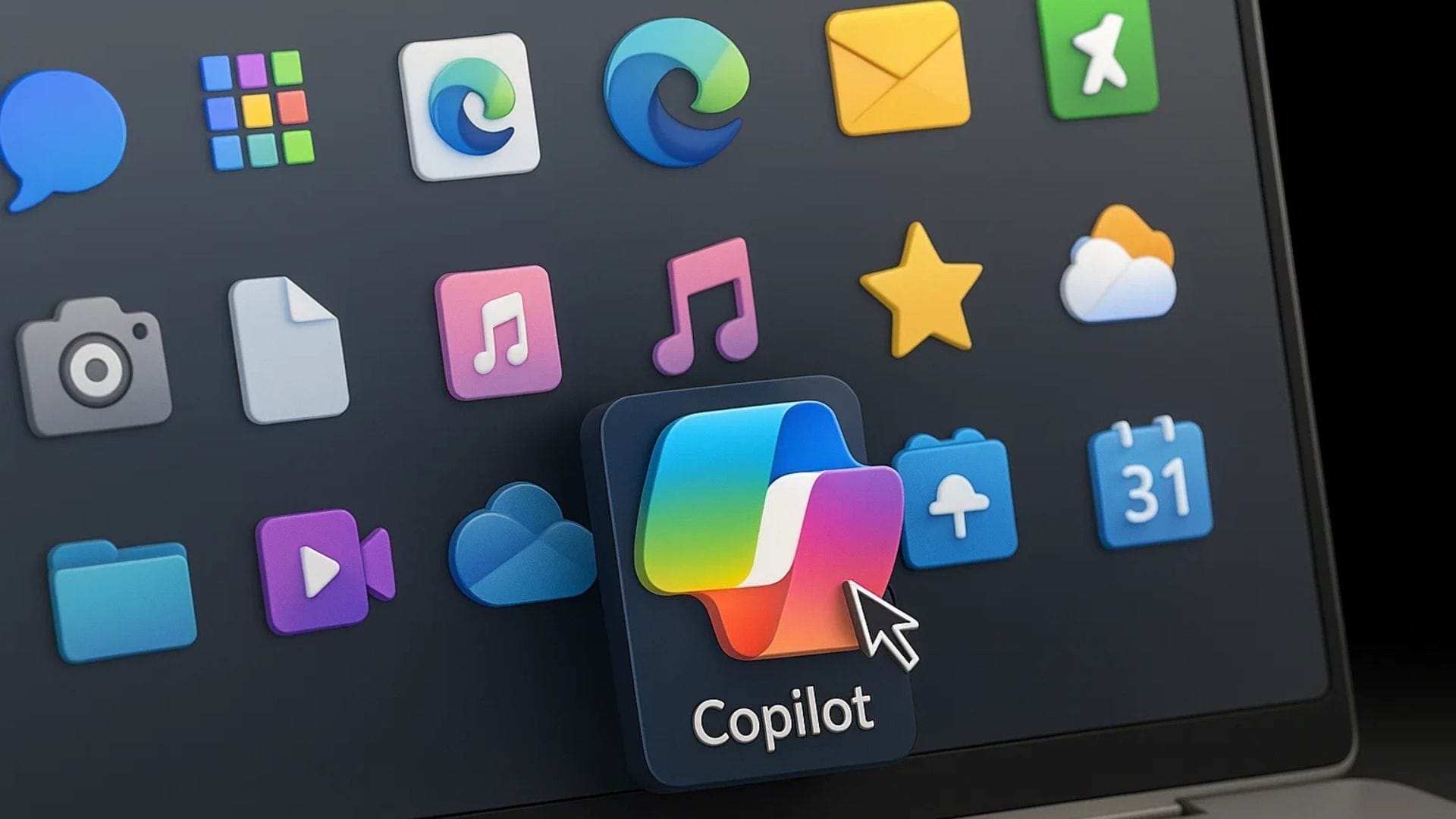
Microsoft tests a new Copilot Vision button in Windows 11, letting users share app content with its AI assistant for instant analysis.
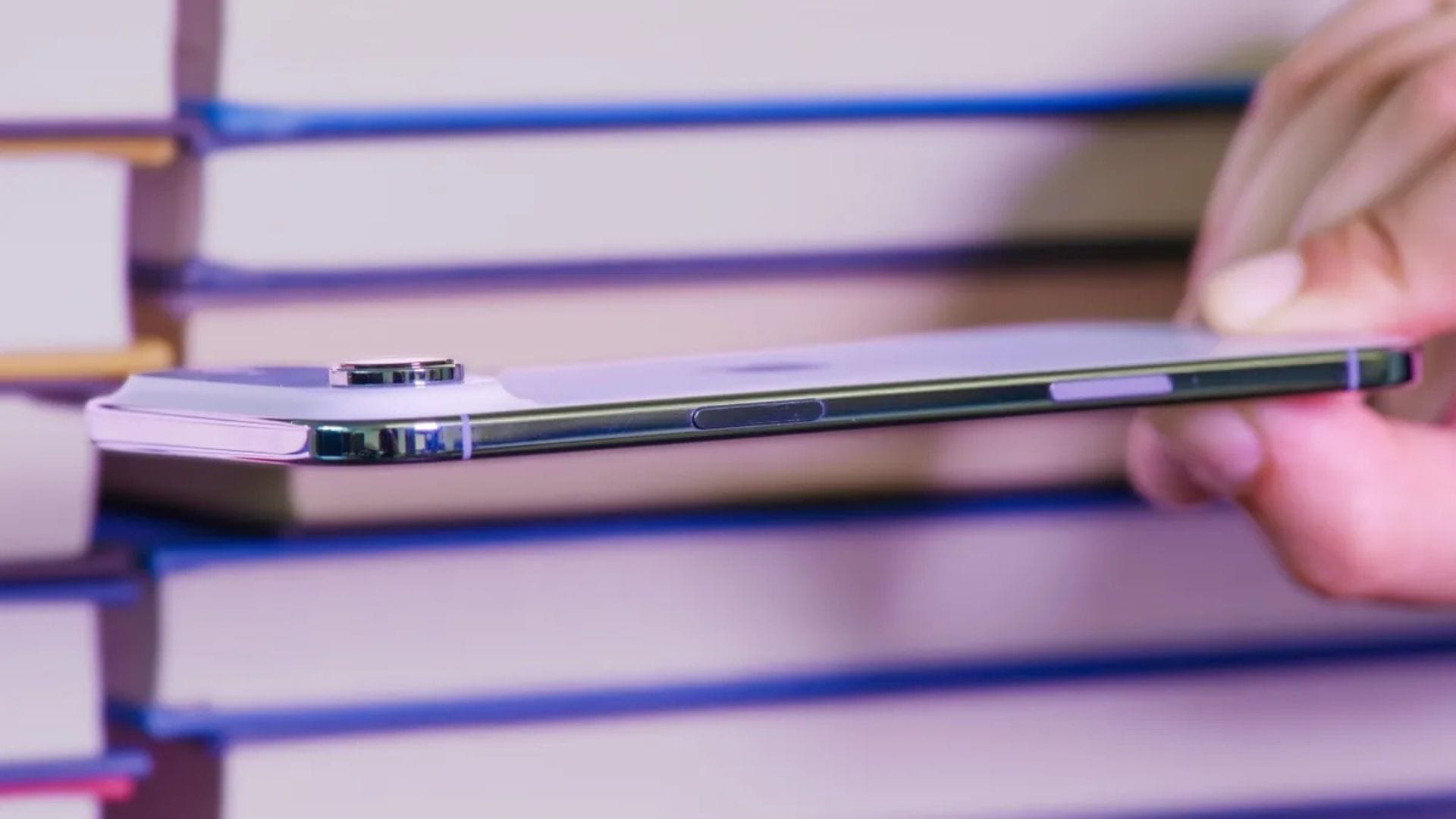
Apple’s ultra-thin iPhone Air survives durability tests, withstanding up to 216 pounds of force before breaking.

Xiaomi recalls over 115,000 SU7 cars in China to fix an assisted driving issue after regulators raised safety concerns.

Cambricon posts record revenue as demand for AI chips surges, with investors betting on it as China’s answer to Nvidia.

Huawei unveils new smartwatches and the Nova 14 smartphone globally, expanding its overseas presence with a Paris launch event.