

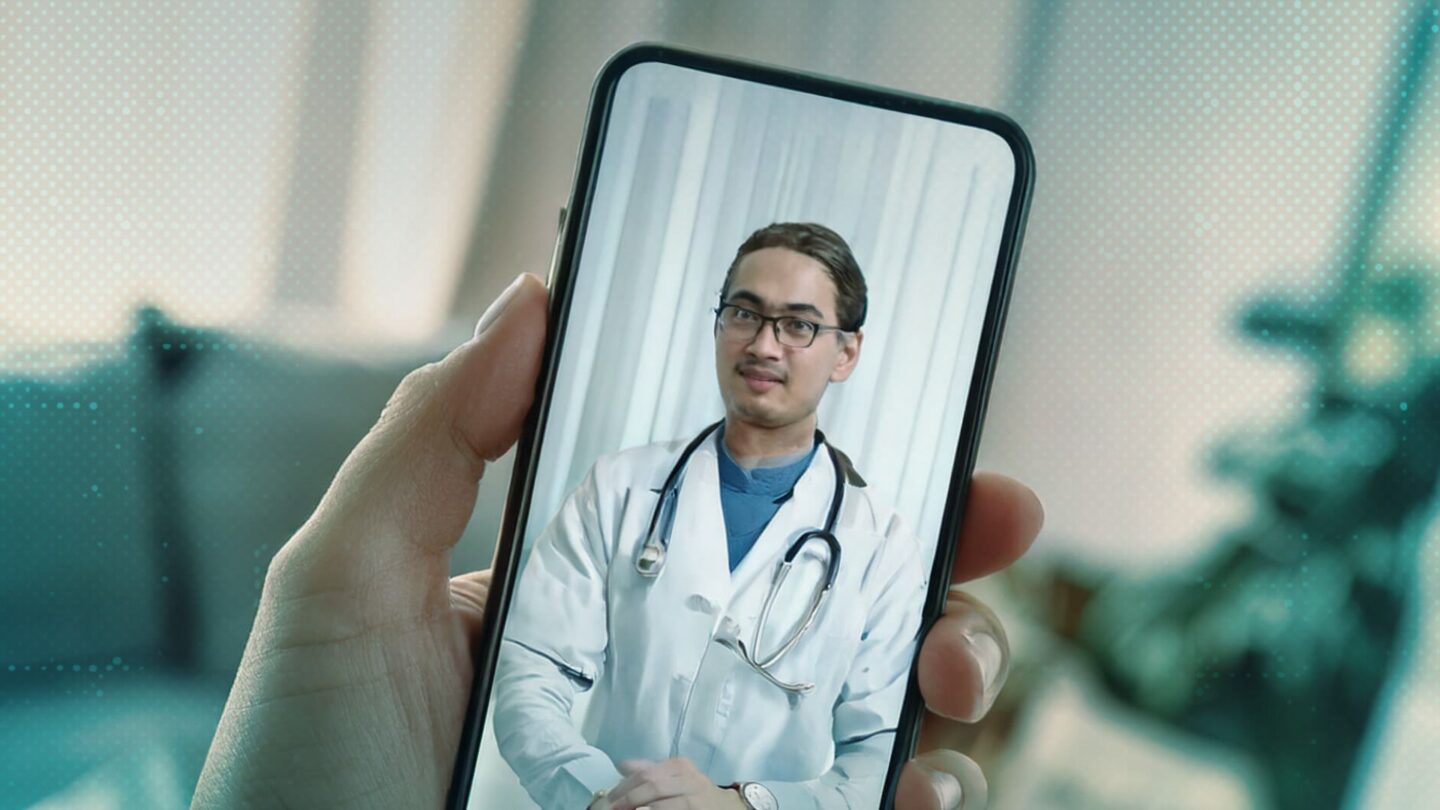
Artificial intelligence deepfakes are increasingly being used to make real doctors appear to endorse health treatments and products they have never supported. The fabricated videos can combine a physician’s face and voice with a scripted message, making it difficult for viewers to distinguish genuine medical advice from a scam.
A CBC News investigation has documented cases involving Canadian physicians whose identities were used in advertisements without their permission. Some consumers have reportedly paid for treatments that never arrived, while affected doctors have raised concerns that misleading medical claims could also encourage people to delay or avoid legitimate healthcare.
How scammers create fake medical endorsements
The technology allows scammers to manipulate existing recordings of doctors and create convincing videos in which they appear to deliver statements they never made. By using the appearance, voice and professional reputation of a real physician, fraudulent advertisements can make questionable products seem more credible.
The problem is not limited to advertisements using real doctors. The Canadian Medical Association has warned that some scams involve entirely fictional AI-generated doctors. These synthetic personalities can be presented as medical professionals and used to deliver health advice despite having no real-world medical credentials.
The use of a doctor in a promotional video should not automatically be taken as evidence that a treatment is legitimate. The Canadian Medical Association notes that Canadian physicians generally cannot publicly endorse regulated health products. As a result, advertisements featuring doctors making extraordinary claims about medical products or so-called miracle treatments can be a warning sign.
Deepfake technology also makes traditional methods of checking a video less reliable. A viewer may recognise the doctor, hear a familiar voice and see what appears to be a professional medical setting. At the same time, every spoken recommendation has actually been generated or manipulated using AI.
The consequences can extend beyond financial losses. Misleading medical information can influence decisions about symptoms, treatments and medications. When wrong advice appears to come from a recognised physician, viewers may be more inclined to trust it without checking the claim with another reliable source.
Fake AI doctors are reaching large audiences online
The scale of the issue has also drawn attention from researchers examining health-related content on social media. A Science Feedback investigation identified 18 TikTok accounts distributing videos featuring AI-generated doctors, including content that impersonated real physicians. Some of the videos received millions of views.
Not every account identified in the investigation was directly selling a product. Some appeared to focus on building audiences around questionable medical information. Such accounts can build large followings first and later find ways to monetise that audience.
The widespread distribution of this type of material creates another challenge. A fraudulent video does not necessarily need to convince a viewer to purchase something immediately to cause harm. Repeated exposure to inaccurate claims can make unsupported treatments or medical theories appear more credible over time.
Another concern is transparency. The investigation found that the videos generally lacked labels identifying them as AI-generated. Without a clear indication that a video has been digitally created or altered, viewers may have little reason to question whether the person on screen actually made the statements being presented.
TikTok has said it removed accounts that were found to violate its policies. However, removing individual accounts does not necessarily prevent similar material from appearing elsewhere. Deepfake tools are widely accessible, and fraudulent content can be recreated and uploaded under new accounts.
This creates a continuing challenge for social media companies. Detection systems must identify manipulated content while platforms also have to accommodate legitimate uses of AI-generated material. The distinction matters especially in healthcare, where misleading information can have consequences beyond ordinary online fraud.
Platforms are developing new ways to detect impersonation
Technology companies have begun introducing tools intended to identify unauthorised use of people’s likenesses. Meta has tested facial-recognition technology designed to help detect fraudulent advertisements involving public figures. YouTube has also expanded its AI likeness detection system, giving eligible creators tools to identify and report videos that use their likeness without authorisation.
Medical organisations are calling for further safeguards. The American Medical Association has urged stronger protections for physicians whose identities are used in AI-generated deepfakes, including quicker removal of fraudulent material and clearer labelling of AI-generated medical content.
However, such measures cannot guarantee that every fake video will be identified before viewers see it. Deepfake technology continues to evolve, while fraudulent campaigns can spread across multiple platforms and accounts.
The growing availability of convincing synthetic video also means that viewers can no longer rely solely on appearance or voice when assessing a medical endorsement. Seeing a familiar doctor on screen is not, by itself, proof that the physician actually made the recommendation.
Consumers can instead verify medical claims through a doctor, hospital, medical association or other trusted healthcare organisation. Products promoted through social media should also be investigated independently rather than being judged solely on the appearance of the person presenting them.
Tools such as Bitdefender RealCheck may help users identify potentially suspicious content, but detection tools should not be considered definitive proof that a video is genuine. As AI-generated medical content becomes more convincing, independent verification remains an important part of assessing online health claims.