


Generative artificial intelligence is making it increasingly easy to create realistic images from simple text prompts. While the technology has legitimate uses, child safety organisations are warning that criminals are exploiting AI tools to create illegal abuse imagery at a rapidly growing rate.
New figures from the Internet Watch Foundation (IWF) indicate that the volume of AI-generated child sexual abuse material identified during the first half of 2026 has already exceeded the total recorded throughout 2025. The increase is also being accompanied by a rise in reports from children who have discovered that their photographs have been manipulated into explicit images.
AI-generated abuse material is increasing rapidly
The IWF, a UK-based organisation that identifies and helps remove child sexual abuse material from the internet, reported 6,310 illegal AI-generated images between January and June. That compares with slightly more than 4,500 such images identified in all of 2025, an increase of about 40 per cent.
The organisation said most of the images involved girls, with many appearing to depict children between the ages of seven and 13. The figures highlight how quickly generative AI has lowered the technical barriers for people attempting to create convincing abusive material.
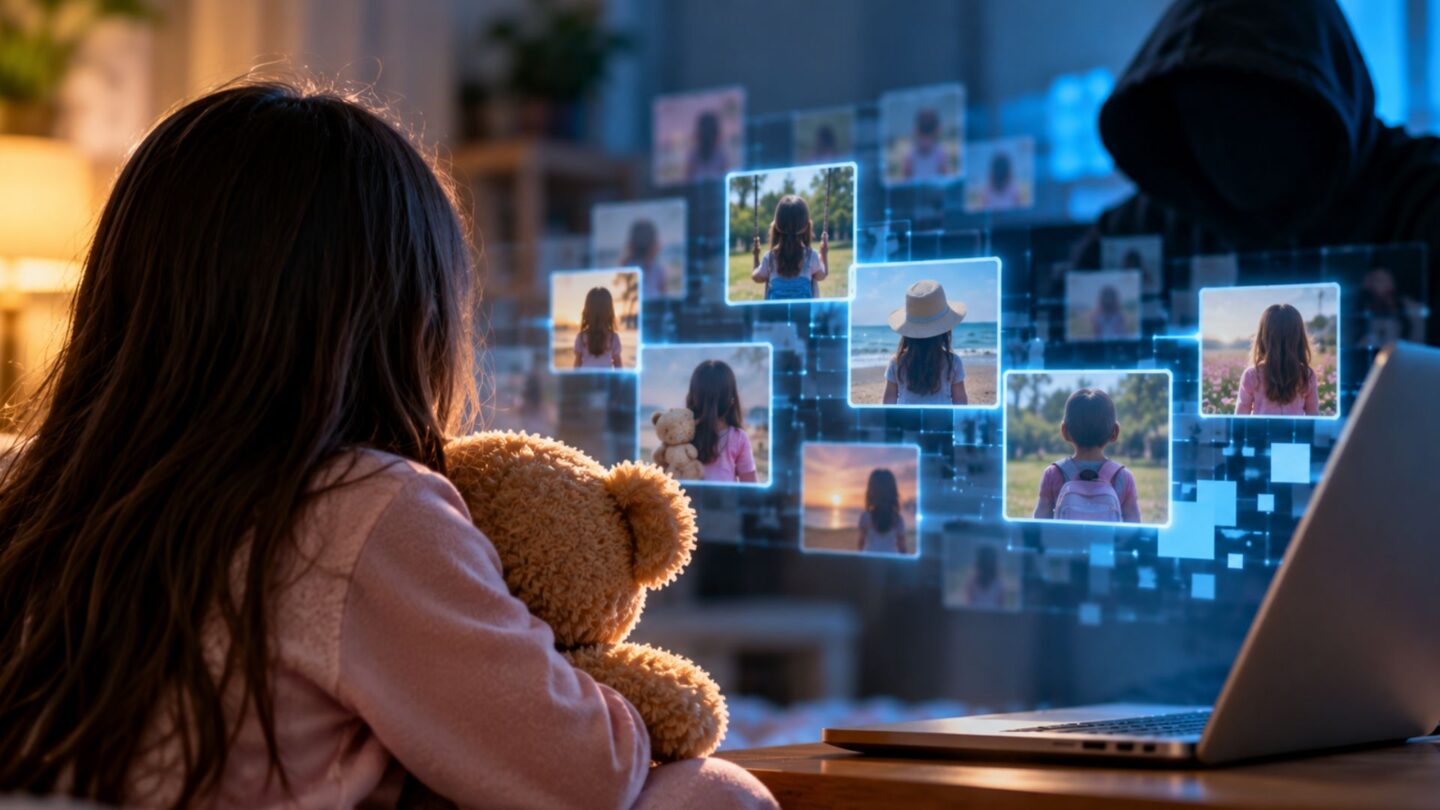
The problem isn’t limited to fully artificial images. AI can also manipulate photographs of real children, including pictures parents may have originally posted on social media. A photograph that appears harmless in its original form can potentially be altered and used in an abusive context without the child’s or family’s consent.
The UK-based Report Remove service has also recorded an increase in children reporting sexually explicit deepfakes made using their photographs. It received 420 reports from children during the first six months of 2026, already exceeding the 397 reports recorded throughout 2025.
The figures suggest that the issue is affecting children directly, rather than being confined to illegal material created entirely from fictional or computer-generated subjects. As image-generation technology becomes more accessible, concerns are growing about how easily people can repurpose photographs shared online.
UK authorities face growing pressure to strengthen protections
UK law already criminalises AI-generated child sexual abuse material. The legislation also covers certain activities involving AI systems designed or adapted to produce such content, as well as distributing or sharing illegal material.
People who deliberately build an AI model for the purpose of generating child sexual abuse material can face a prison sentence of up to five years. Existing offences therefore provide authorities with legal tools to prosecute some forms of AI-related abuse.
However, the rapid development of generative AI is creating new challenges for lawmakers and technology companies. Image-generation systems can become more sophisticated quickly, while abusive content can be created, copied and distributed across online services at speed.
The UK currently has no dedicated AI law that addresses every aspect of this emerging threat. Kanishka Narayan, the UK’s AI minister, has said that “nothing is off the table”, although any future measures will be assessed according to whether they improve public safety.
The debate is likely to extend beyond the criminalisation of people who create or distribute abusive material. Policymakers and technology companies are also facing questions about safeguards built into AI systems, detecting manipulated images, and the responsibility of online platforms to prevent harmful content from spreading.
Parents are being urged to rethink public photo sharing
The growing availability of AI image-generation tools has also prompted warnings for parents about photographs shared publicly online. The National Crime Agency and the IWF have advised families to avoid posting photographs of children on public-facing social media accounts where possible.
Parents who want to share family photographs online can reduce the risk by making their social media profiles private and restricting access to people they know and trust. Limiting posts to a small group of close friends and family members can also reduce the number of people who can access and potentially misuse those images.
For many families, posting photographs of important moments such as a child’s first day at school, a birthday, or a holiday is a normal part of social media use. However, once an image has been posted publicly, parents have limited control over where it may eventually appear or how it might be altered.
The latest warnings do not mean families should stop taking or sharing photographs altogether. Instead, they underline the importance of considering who can access images before posting and regularly reviewing privacy settings as social media platforms and AI technologies evolve.
As generative AI becomes increasingly capable of producing convincing images, child safety experts are urging families to treat photographs of children with greater care. Restricting public access to those images can reduce the opportunities for bad actors to misuse them. At the same time, governments and technology companies will need broader efforts to address the growing threat.