NVIDIA has expanded browser support for its GeForce Now cloud gaming service, allowing Windows users to stream games through Mozilla Firefox. This addition gives Firefox users another way to access the service without switching browsers.
The new support is available in Firefox on Windows and lets compatible GeForce Now users play PC games directly in the browser. Subscribers to the GeForce Now Ultimate tier can stream games at resolutions of up to 1440p and frame rates of up to 120fps, depending on their connection and device.
Firefox joins GeForce Now’s supported browsers
Firefox now joins Chrome, Microsoft Edge, Safari and Opera among the browsers officially supported by GeForce Now. The move gives users more flexibility when choosing how they access NVIDIA’s cloud gaming platform, particularly those who already use Firefox as their main browser on Windows.
GeForce Now allows games to run on NVIDIA’s remote servers rather than requiring users to install and run demanding titles locally. The video output is then streamed to a supported device, allowing users with less powerful hardware to play games that might otherwise require a more capable gaming PC.
NVIDIA has gradually expanded GeForce Now beyond traditional desktop computers. The service can also be accessed through tablets, smartphones, televisions and handheld gaming devices, giving users several ways to access their game libraries. Browser support is particularly useful for people who want to play without installing a dedicated application or who use a device that lacks the hardware needed to run modern games.
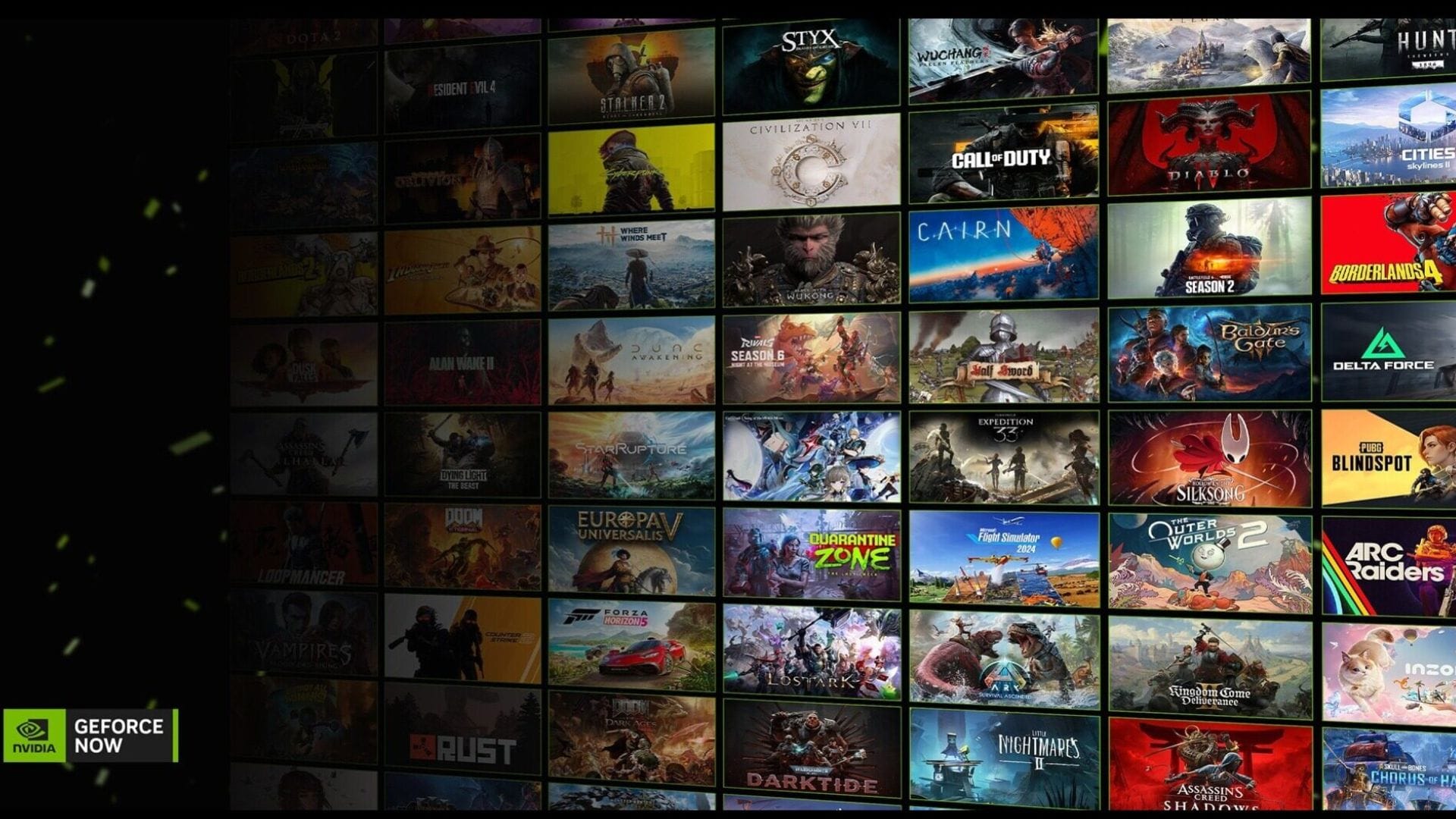
More than 2,000 games available through the service
GeForce Now provides access to more than 2,000 games, although the service does not replace the stores where users purchase their titles. Instead, it lets users stream supported games they already own or can access through participating platforms from NVIDIA’s servers.
Supported libraries include games from Steam, the Epic Games Store, GOG, Xbox PC Game Pass and Ubisoft Connect. This means users can connect eligible accounts and stream supported titles rather than downloading the games directly to their computers.
The approach can be particularly useful for Windows users whose computers are not equipped with powerful graphics hardware. Instead of upgrading to a more expensive gaming PC, users can rely on cloud processing to run supported games, as long as they have a fast, stable internet connection.
For Ultimate subscribers, the ability to stream at up to 1440p and 120fps through Firefox can also make the browser a more practical option for higher-quality cloud gaming. Actual performance will depend on factors such as internet speed, network stability, display capabilities and the game being played.
Mozilla worked with NVIDIA on the feature
Mozilla said Firefox users had been requesting GeForce Now support for some time. The organisation worked with NVIDIA for several months to bring the feature to the browser, eventually making Firefox an officially supported option for Windows users.
The addition could be welcomed by Firefox users who prefer to keep their gaming and everyday browsing within the same browser. It also removes one potential barrier for people who have avoided GeForce Now because their preferred browser was not officially supported.
Cloud gaming remains an alternative to buying and maintaining high-end PC hardware, especially since gaming components and complete systems can be expensive. By running games remotely, GeForce Now lets users with more modest computers access demanding titles, although the experience still depends on the quality of their internet connection.
With Firefox now added to the list of supported browsers, NVIDIA is giving Windows users another route into its cloud gaming platform. The expansion also highlights GeForce Now’s broader direction: becoming accessible across a wider range of browsers and devices rather than being limited to dedicated gaming hardware.