


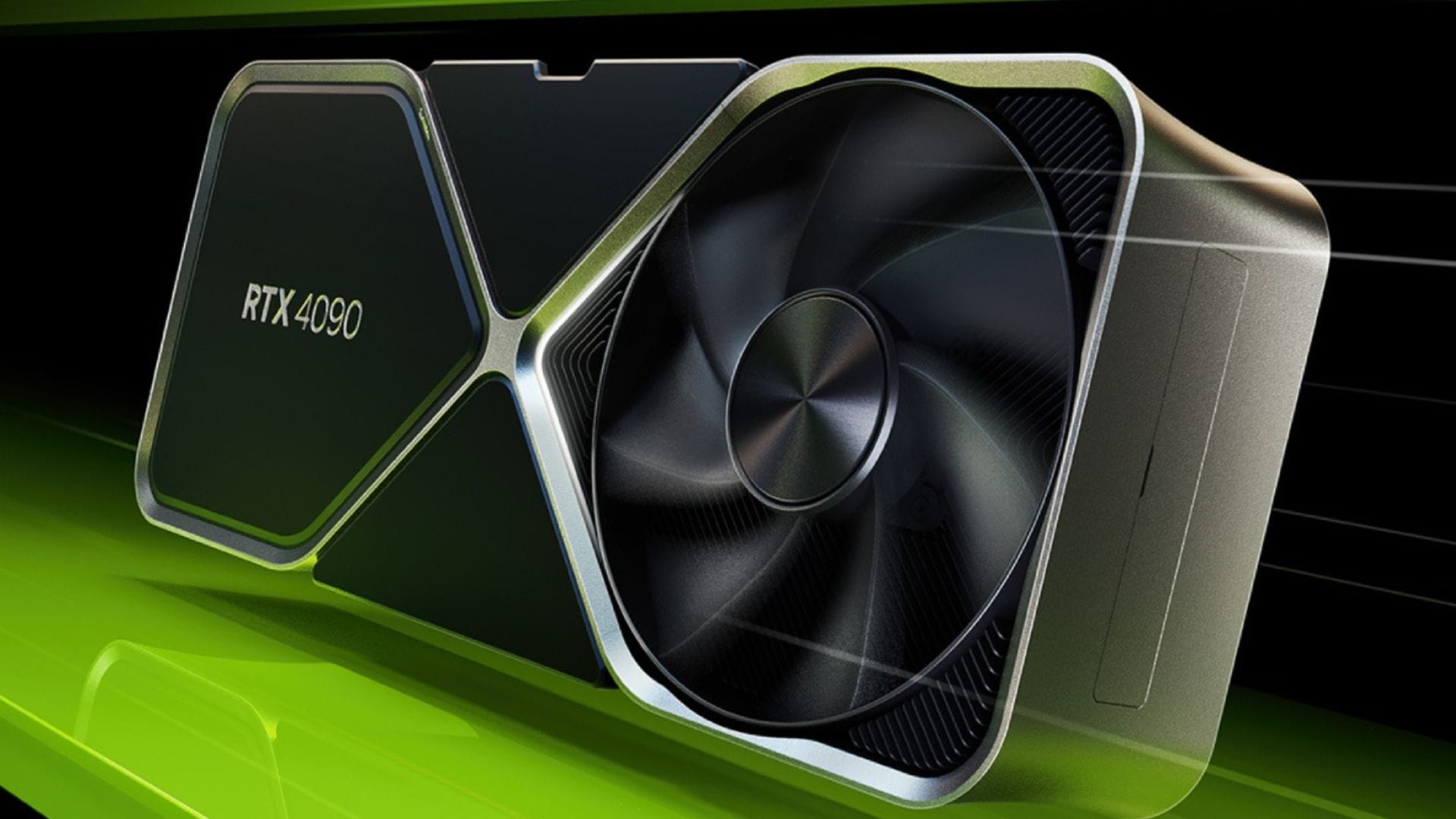
Nvidia graphics cards could soon become significantly more expensive if a new industry report proves accurate, adding further pressure on gamers and PC enthusiasts already facing high hardware prices.
The reported increase comes as demand for artificial intelligence hardware continues to grow, with Nvidia remaining one of the industry’s leading suppliers of AI chips. Although the company has not confirmed any pricing changes, the latest report suggests consumers may soon have to pay considerably more for a wide range of graphics cards.
Report suggests broad price increases across Nvidia’s GPU range
A report from Taiwan’s Economic Daily News claims Nvidia is preparing to increase the prices of its graphics processing units (GPUs) by between 20% and 30%. If implemented, the increase would follow a year in which many graphics cards have remained expensive and difficult to find due to strong demand and limited availability.
Unlike previous pricing adjustments that mainly affected premium products, the reported changes are expected to extend across much of Nvidia’s consumer graphics card portfolio. This means that mainstream models, which are often chosen by budget-conscious gamers and PC builders, could also become more expensive.
The report indicates that graphics cards using the latest GDDR7 memory technology are likely to see the largest impact. However, older models built with GDDR6 memory may also be included in the reported price adjustment, reducing the number of affordable options available to consumers.
For buyers planning to build or upgrade a desktop computer, such increases could make purchasing decisions more difficult. Higher graphics card prices would also add to the overall cost of gaming PCs, especially when combined with rising prices for other computer components.
Growing AI demand continues to reshape the graphics card market
The reported price increase comes as Nvidia continues to benefit from strong global demand for artificial intelligence hardware. The company’s data centre business has expanded rapidly over the past year, driven by technology firms investing heavily in AI infrastructure and large-scale computing systems.
As businesses race to develop and deploy AI models, demand for high-performance chips has remained exceptionally strong. This has allowed Nvidia to prioritise the production of data centre hardware while continuing to develop new technologies for both enterprise and consumer markets.
The company has also continued investing in next-generation hardware platforms designed to support increasingly complex AI workloads. At the same time, broader industry initiatives involving partners such as SK Group highlight growing investment in AI infrastructure, suggesting that demand for advanced processors is unlikely to slow in the near future.
The increasing focus on AI has had wider effects across the semiconductor industry. Manufacturing capacity, advanced memory supplies and component availability have all come under pressure as companies compete for the latest hardware. As a result, consumer products such as gaming graphics cards can be affected even though much of the demand originates from commercial AI projects.
For many consumers, hopes that graphics card prices would return to pre-AI levels have gradually faded. Continued investment in artificial intelligence appears to be shifting the balance between enterprise and consumer demand, making short-term price reductions less likely.
Nvidia has yet to confirm any official pricing changes
Despite the report, Nvidia has not announced any official price increase for graphics cards. As a result, the reported 20% to 30% adjustment remains unconfirmed, and there is currently no indication of when such changes might take effect, if introduced.
Nevertheless, the report has raised concerns among gamers and PC enthusiasts who have delayed upgrading their systems in anticipation of lower prices. Should the reported increase become reality, consumers may face even higher costs when purchasing new graphics cards in the coming months.
Retail pricing may also vary depending on regional distributors, manufacturing costs and supply levels. Even without an official announcement from Nvidia, market conditions and limited inventory can influence the final price consumers pay.
Industry observers will be watching closely for any confirmation from Nvidia or its hardware partners. Until then, buyers considering an upgrade may need to weigh the possibility of further price increases against the uncertainty surrounding future market conditions.
If the reported changes are implemented, they would reinforce the growing influence of artificial intelligence on the wider technology market. What was once primarily a gaming component has become an essential part of the global AI race, with increasing demand continuing to shape pricing and availability for consumers worldwide.