


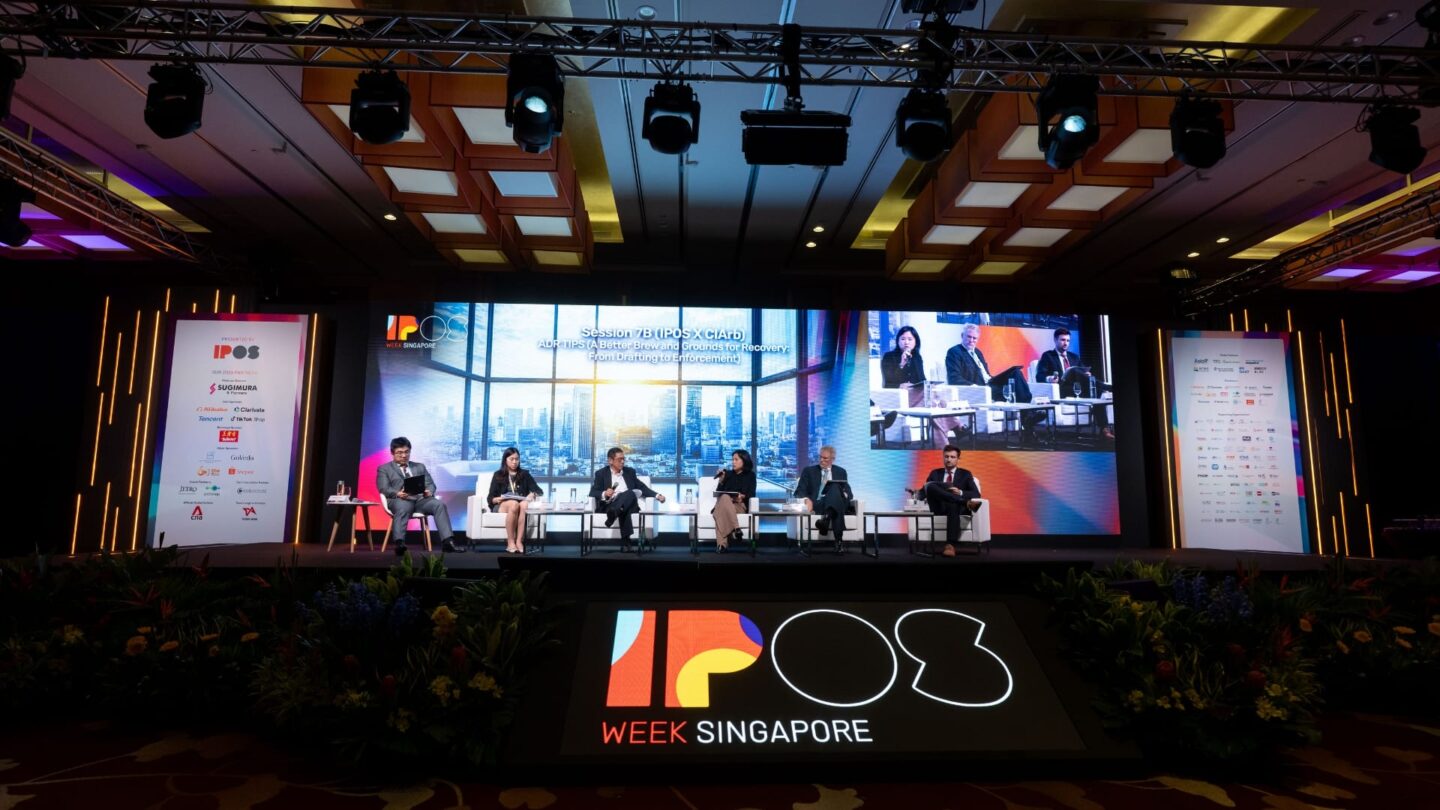
Singapore has launched a public consultation to evaluate how its intellectual property frameworks should adapt to advancements in artificial intelligence, focusing primarily on the copyright and patent regimes. Jointly announced by the Ministry of Law and the Intellectual Property Office of Singapore (IPOS) on 26 August during Singapore IP Week 2026, the exercise seeks broad industry input on the evolving legal landscape. The review specifically addresses complex questions emerging around authorship, inventorship, disclosure, legal protection, and liability as generative tools and automated systems become more pervasive.
These discussions arrived alongside a broader suite of initiatives designed to refine the valuation and administration of intangible assets. Through these accompanying measures, authorities aim to provide enterprises with clearer operational guidance to assess, protect, and manage their intellectual property more effectively.
Singapore examines copyright and patent issues linked to AI
The newly opened consultation centres on gathering perspectives regarding how domestic intellectual property rules ought to respond to rapid developments in artificial intelligence. While IPOS has singled out copyright and patents as the primary focus, the official release does not outline specific policy proposals or draft legislative amendments at this stage. Instead, discussions throughout Singapore IP Week are exploring fundamental legal thresholds, examining who holds authorship or inventorship when AI tools generate output, as well as how principles of disclosure, asset protection, and liability should operate in practice.
Dr Tan See Leng, Minister for Trade and Industry (Energy and Industry), linked these policy efforts directly to national strategies for enterprise resilience and international commercial expansion. He remarked, “In an increasingly uncertain and rapidly changing world, innovation will be a key source of growth and competitiveness. Our enterprises must remain agile, innovative and resilient to thrive amidst change. The Government will continue to support enterprises to harness AI and innovation, translate ideas and intellectual assets into economic value, and scale into regional and global markets through deeper ASEAN integration and international partnerships. By staying open and connected, Singapore and our enterprises can continue to seize new growth opportunities and remain competitive.”
To complement these legal reviews, Singapore is introducing practical resources to help organisations handle their intangible assets. The Institute of Valuers and Appraisers Singapore has released the IA Valuation Guidelines, an initiative intended to complement existing international standards while fostering consistency and transparency across the market. These benchmarks provide practical support for businesses, investors, lenders, and valuers as they appraise and communicate asset values. In tandem, IPOS has rolled out the Technical Reference for Enterprise IA/IP Management, which furnishes companies with standardised processes, practical templates, and operational guidance.
To build long-term institutional capability, a dedicated certificate programme in Enterprise IA/IP Management is being introduced in partnership with a local institute of higher learning. This educational pathway is structured to equip working professionals with practical skills to administer intellectual assets internally while promoting the broader adoption of these standards across the region.
ASEAN policymakers meet in Singapore
Alongside the flagship conference, Singapore convened the 79th ASEAN Working Group on Intellectual Property Cooperation, bringing together senior intellectual property policymakers representing all 11 ASEAN member states. The broader IP Week programme also drew high-level international delegations, including ministerial representatives from Cambodia, Indonesia, and Laos. They were joined by delegates from the Japan Patent Office, South Korea’s Ministry of Intellectual Property, the China National Intellectual Property Administration, as well as senior officials from Denmark, Uganda, and the UK.
Cross-border collaboration extended into valuation practices with the formal establishment of the Global IA Valuation Network, created by six founding bodies to exchange knowledge and perspectives on intangible assets. The alliance brings together the International Trademark Association, the International Valuation Standards Council, the Licensing Executives Society International, the World Intellectual Property Organization, IPOS, and the Institute of Valuers and Appraisers Singapore.
Asian companies recognised for using intellectual property
Enterprise achievements took centre stage on 25 August during the inaugural regional IP for Growth Awards, which honoured 11 winners from across Asia for leveraging intellectual property and intangible assets to drive commercial expansion. Among the Singapore-based recipients was CRecTech, an enterprise recognised for developing proprietary technology that converts methane and carbon dioxide from palm oil waste into renewable methanol. Fellow domestic winner AXIUM Industries was commended for its industrial artificial intelligence platform that unifies data flows across manufacturing facilities, supply chains, and enterprise software systems.
Singaporean enterprise Kopi Near Me also earned accolades for its automated Nanyang coffee machines. The regional award cohort featured prominent international enterprises as well, including Jio Platforms from India, LOCA from Laos, and Mengniu Dairy from China.
Global lifestyle brand Razer received the WIPO National Award for WIPO Users in recognition of its strategic use of international intellectual property systems to safeguard products across multiple jurisdictions. The media release highlighted that Razer’s gaming ecosystem now spans hardware peripherals, laptops, and dedicated software, engaging a worldwide community of more than 250 million users.