


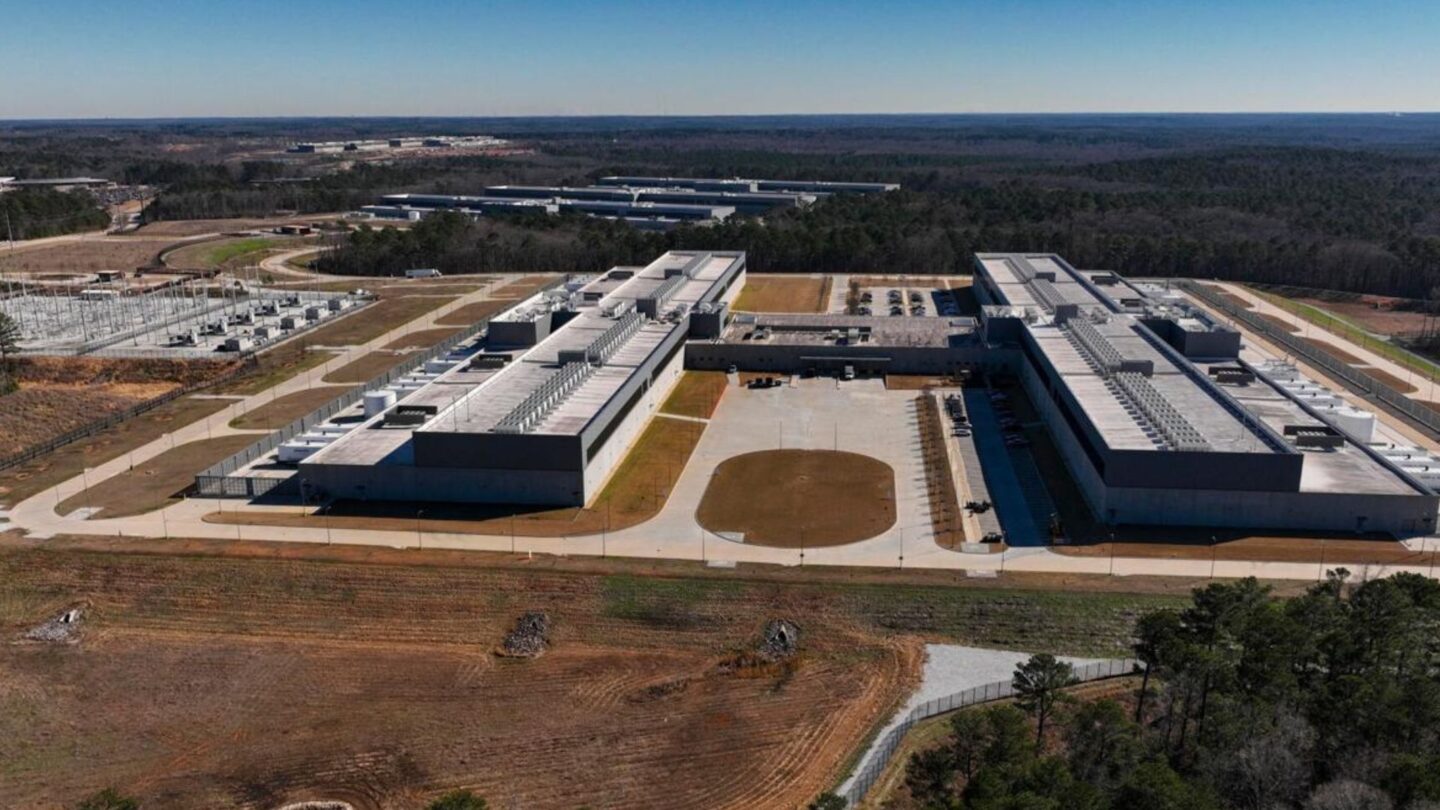
South African civil rights organisations are calling for a temporary halt to new data centre construction as concerns grow over the pressure that large digital infrastructure projects could place on the country’s water, electricity and land resources.
The campaign reflects a wider backlash against data centre expansion, with communities in Thailand and the United States raising similar concerns over the resources required to support the rapid growth of artificial intelligence and cloud computing. In South Africa, campaigners want greater scrutiny and transparency before approving additional projects.
Growing scrutiny around digital infrastructure expansion
South Africa has become a major hub for data centre investment in Africa. President Cyril Ramaphosa has said the country accounts for about 70% of the continent’s total data centre capacity, making the sector an important potential source of economic growth and digital investment.
Technology companies including Amazon, Microsoft and Equinix have expanded their infrastructure presence in the country as demand for cloud services, online platforms and AI computing continues to increase. However, the pace of development is now attracting greater attention from civil society organisations concerned about how these facilities will affect already limited resources.
The South African Human Rights Commission received more than 250 submissions after asking the public for views in May 2026. The responses have highlighted concerns about how information surrounding new developments is presented and whether communities have enough detail to understand the potential effects of proposed facilities.
“A key issue emerging from the process is precisely the availability, consistency and transparency of information relating to matters such as electricity and water demand, land use, infrastructure requirements, environmental impacts and impacts on surrounding communities,” said Dr Eileen Carter, who is leading the commission’s preliminary process.
One of the most closely watched developments is an Equinix hyperscale facility approved for construction in Cape Town. The location is particularly significant because the city came close to running out of municipal water during the severe drought that led to warnings of a potential “Day Zero” in 2018.
The proposed facility is also expected to require about 160 megawatts of electricity. That figure has raised concerns in a country that has experienced years of electricity shortages and rolling blackouts, although power availability has improved recently.
Investors and operators defend data centre expansion
South Africa’s electricity situation has changed considerably from the worst periods of load shedding. Eskom, the country’s national power utility, reported surplus capacity during this year’s winter peak-demand period, suggesting immediate pressure on the national grid has eased.
Civil society groups remain cautious, however. They argue that available capacity could increasingly be allocated to data centres and other large infrastructure projects, potentially creating new pressure elsewhere in the system. For campaigners, the issue is therefore not simply whether electricity is available today, but how resources will be allocated as demand continues to change.
Supporters of greater regulation argue that clearer rules would not necessarily discourage investment. Instead, they say that reliable information and consistent requirements could make the market more predictable.
“Clear rules do not deter serious investors. They price uncertainty, and an unregulated boom is the most uncertain environment of all,” said Pitso Tsibolane, senior lecturer in Information Systems at the University of Cape Town.
A key concern is that data centre operators are not currently required to provide detailed upfront disclosures covering their expected water consumption, electricity requirements and land use. Civil society organisations argue that such information should be available before projects are approved, allowing regulators and affected communities to assess their likely impact.
Industry representatives reject the suggestion that data centres are a major cause of South Africa’s resource constraints. Sasha Booth-Beharilal, chair of the Internet Service Providers Association, said increased electricity demand from data centres has not meaningfully contributed to broader tariff increases or electricity shortages.
Operators have also argued that comparisons between South African facilities and some of the enormous data centre developments being built in the United States can be misleading. The scale, design, and resource requirements of individual facilities can vary considerably, meaning the impact of one project cannot necessarily represent the entire sector.
Regulatory uncertainty puts investment and resources in focus
The debate comes as governments worldwide try to balance the economic benefits of digital infrastructure against its growing physical demands. Data centres provide the computing capacity required for cloud services, online applications and increasingly resource-intensive AI systems. Still, they can also consume significant amounts of electricity and, depending on their cooling systems, water.
For South Africa, the question matters because the country is seeking to strengthen its position as a technology and investment hub while continuing to address infrastructure constraints. Data centre operators see the country’s established digital infrastructure and growing demand for online services as opportunities to expand further.
Opponents do not necessarily reject data centres altogether. Instead, they call for more detailed assessments of individual developments and greater transparency about the resources they will require. They argue that communities should understand how a project could affect local water supplies, electricity networks, land use, and surrounding infrastructure before construction begins.
The situation also places South Africa within a broader international debate. Thailand has faced calls to reconsider or pause data centre developments over concerns about water and electricity. At the same time, communities in the US have increasingly questioned the local impact of large facilities being developed to support AI and other computing workloads.
Whether South Africa ultimately introduces a temporary construction pause remains unclear. Such a move could give authorities time to set clearer requirements for resource assessments and public disclosure. Still, it could also slow investment in a sector viewed as strategically important to the country’s digital economy.
The central challenge will be finding a framework that gives communities sufficient protection and information without creating unnecessary uncertainty for legitimate investors. As demand for computing infrastructure continues to grow, the debate over how South Africa uses its limited resources is likely to become increasingly important.