


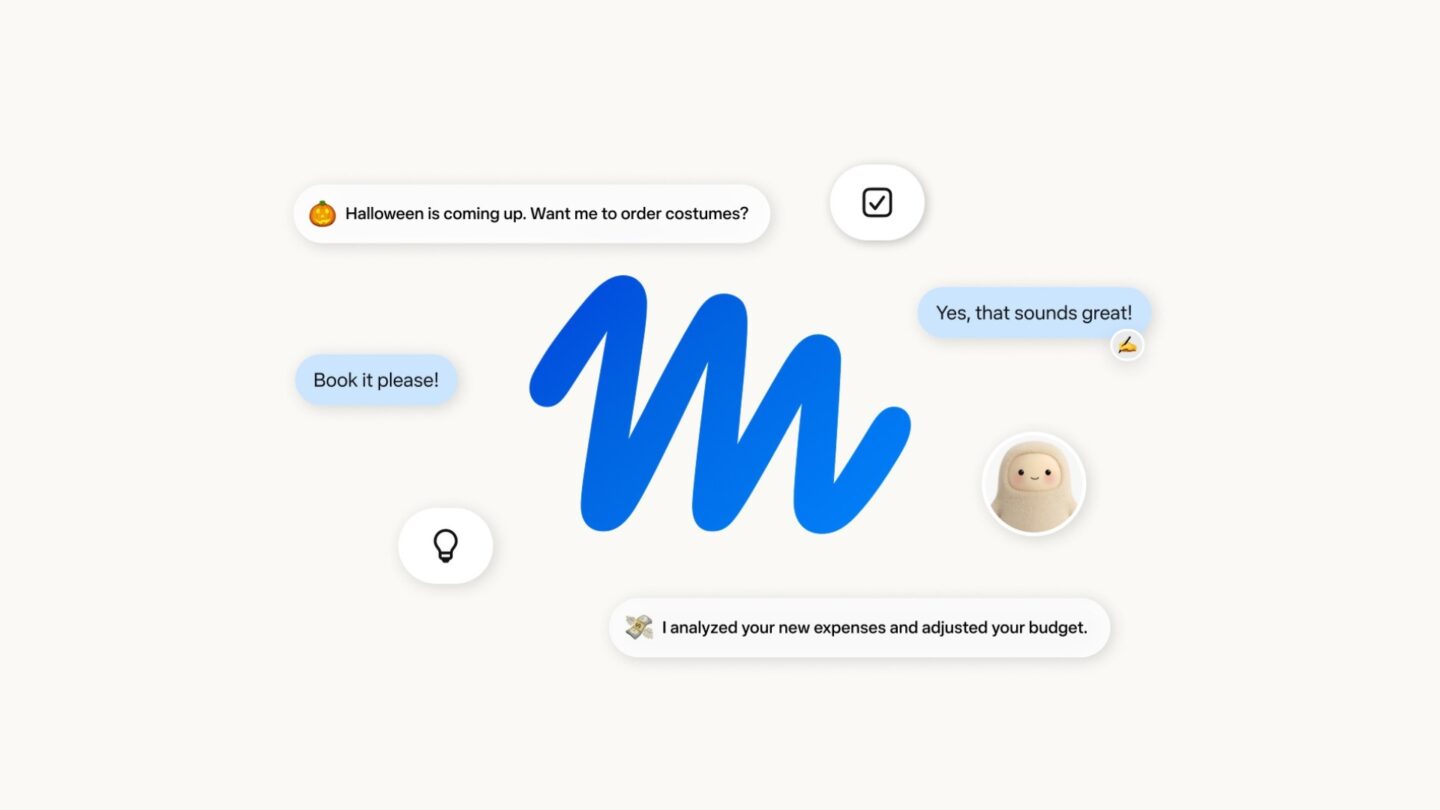
Meta has begun rolling out Muse, a personal artificial intelligence assistant designed to execute everyday web activities on behalf of users. The tool can manage a broad spectrum of responsibilities, including booking travel arrangements, filling out digital forms, handling purchases and sending emails.
Accessible through both WhatsApp and a dedicated Muse application, the software is powered by Muse Spark, an engine Meta identifies as its most capable foundation model to date. People can assign the agent an immediate chore or an overarching goal, prompting it to devise the requisite sequence of steps autonomously. Once tasked, Muse is able to launch an internal browser and interact smoothly across various connected online services to fulfil the user’s instructions.
Muse can keep working after the app is closed
The assistant caters to both quick, one-off assignments and complex projects that require extended time to resolve. By designing a personalised roadmap tailored to a specific goal, it coordinates the necessary schedule and resources, proceeding with its work even after someone closes the application.
Within its dedicated web browser, Muse can research sites, submit completed forms and negotiate terms on behalf of the account holder. Should external circumstances shift or pivotal moments arise, the software pauses to consult the individual before proceeding. Crucially, sensitive undertakings such as dispatching an email or executing a transaction will always require explicit confirmation from the user.
A persistent memory system allows the agent to retain and transfer relevant context between disparate conversations and activities. For instance, Meta explains that Muse can transform a recipe saved on Instagram into an organised shopping list while actively recalling the dietary preferences of guests invited to a dinner party. It subsequently applies such background knowledge to offer helpful suggestions unprompted, though users always retain full authority to command the system to purge specific retained memories.
Financial transactions are processed through Link by Stripe, which issues single-use virtual cards to ensure private payment information remains concealed from the AI. This arrangement makes Muse the first autonomous agent backed by Link purchase protection guarantees, offering safeguards against damaged goods, lost shipments, unexpected price reductions and return fees.
Meta also intends to broaden these financial options by integrating Shop Pay as an additional payment method. In addition, upcoming compatibility with 1Password will permit Muse to utilise securely stored login credentials without compromising account safety.
Internet access goes through a separate security system
To safeguard user privacy, the agent operates within Muse Secure VM, a dedicated virtual environment containing both the assistant and the data linked to third-party accounts. A companion security agent named Sentinel resides on this identical machine yet remains isolated from Muse at the fundamental operating system level. Every outgoing internet transmission must clear Sentinel first, allowing the secondary gatekeeper to demand human authorisation whenever an action warrants caution.
Confidential payment records and passwords are kept in a separate vault away from Muse itself. This isolation enables the tool to apply saved log-in details within its browser interface without directly viewing or storing the actual text of those credentials. Account holders also govern connectivity boundaries by deciding which platforms to link and defining specific privileges, such as restricting email access to message retrieval rather than sending, with the option to revoke or amend these authorisations at any point.
A transparent audit trail allows users to monitor past actions alongside planned forthcoming operations. Furthermore, Meta confirms that virtual machine contents and dialogue logs are not shared with commercial advertising systems, while account holders may opt out of having their interactions used to train future AI models.
Looking ahead, Meta plans to deploy Muse Confidential VM later this year to bolster infrastructure protection. This enhancement will systematically encrypt the complete virtual machine, covering all dialogue and user files with an encryption key retained exclusively by the individual, thereby barring the company itself from viewing any stored data.
Initial availability is limited to the US
The initial release of Muse is restricted to American users across iOS, Android and the muse.ai web portal. Hardware compatibility will also expand in the future, with integrations planned for smart glasses.
Meta indicates that general access to the tool will remain free for the majority of everyday tasks. In addition, the company will introduce paid subscription options for individuals who require higher usage tiers and extended operational capacity.