

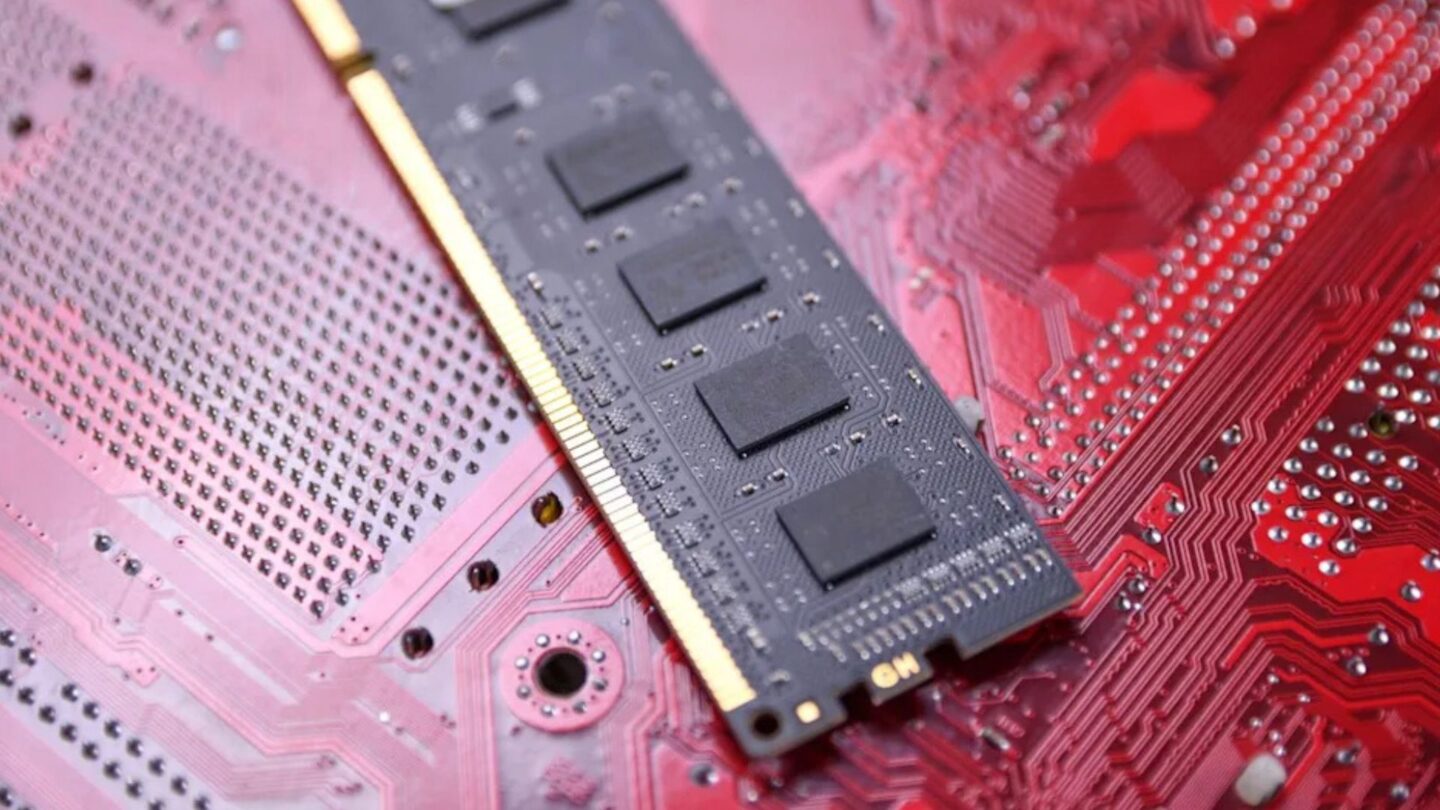
The global memory shortage is showing few signs of easing, with Micron warning that demand for memory chips is expected to remain above available supply through 2027 and 2028. The company says the market could tighten further during those years, putting continued pressure on prices for RAM and other memory products.
Micron’s latest outlook comes as the company reports exceptionally strong financial results driven by demand from artificial intelligence infrastructure. The memory manufacturer has already committed most of its expected 2027 output, while customers are agreeing to pay significantly higher prices for future supplies.
Memory demand is expected to remain above supply
Micron chairman, president and chief executive Sanjay Mehrotra told investors during the company’s fiscal 2026 earnings call that demand is expected to exceed supply in both 2027 and 2028. He said the situation could be tighter than it is currently, suggesting that the memory shortage is not simply a short-term disruption.
“In calendar 2027 as well as 2028, we see demand exceeding supply,” Mehrotra said. He added that Micron expects “greater tightness in the industry in 2027 and in 2028 versus 2026”. The company also does not currently have a clear timeframe for when the market will return to balance.
The warning comes despite Micron and other memory manufacturers investing heavily to increase production. Micron has already begun expanding manufacturing capacity and expects new facilities to add output from 2027 onward. However, the company has cautioned that new factories will not immediately resolve the supply shortage or bring prices down.
Micron plans around US$25 billion in capital spending in the first half of its new financial year as it expands its manufacturing capabilities. The company expects new facilities to begin contributing meaningful capacity around 2028, but additional production will have to compete with continued demand growth.
AI is putting additional pressure on memory supplies
A major factor behind the shortage is the rapid expansion of artificial intelligence infrastructure. Modern AI systems require large quantities of high-bandwidth memory, or HBM, alongside conventional DRAM and other storage technologies. Demand for HBM has grown rapidly as technology companies build increasingly powerful AI servers and accelerators.
Micron said demand for HBM used in AI hardware is growing faster than demand for conventional DRAM used in servers. Although HBM and standard DRAM serve different purposes, both depend on manufacturing capacity and resources that are becoming increasingly valuable as AI investment accelerates.
The effect is already visible in Micron’s financial performance. The company reported fiscal fourth-quarter revenue of US$54.25 billion, compared with US$11.3 billion a year earlier. Full-year revenue reached US$133.2 billion, while net income rose sharply as higher memory prices and strong demand improved performance.
Micron’s data centre business has been a key driver of that growth. The company reported a 90 per cent gross margin for its core data centre business during the fourth quarter, while its cloud memory business, which includes HBM, reached an 83 per cent gross margin. The figures underline how valuable memory has become as cloud providers and AI companies compete for supply.
PC buyers may have to wait longer for lower prices
For consumers, the continued shortage could make the usual PC upgrade cycle more expensive. RAM is used in laptops, desktops, gaming PCs and servers, meaning sustained increases in memory costs can eventually affect the prices manufacturers charge for complete systems.
The pressure is not limited to the newest AI hardware. Earlier reports have indicated that rising DRAM prices are already affecting PC manufacturers, while major computer makers with greater purchasing power have been better positioned to secure supplies. Smaller manufacturers may face greater difficulty obtaining memory at competitive prices.
That means consumers waiting for cheaper RAM may have to wait considerably longer. Industry analysts have previously pointed to 2027 and 2028 as important years for new memory capacity to come online. Still, Micron’s latest comments suggest that additional production may initially be absorbed by rising demand rather than creating a surplus.
Micron’s outlook also suggests there is no guaranteed date for memory prices to return to previous levels. As AI infrastructure continues expanding and manufacturers prioritise high-value memory products, conventional DRAM could remain under pressure. For anyone planning a PC purchase or memory upgrade, the expectation of a quick return to cheaper RAM may therefore need to be reconsidered.