


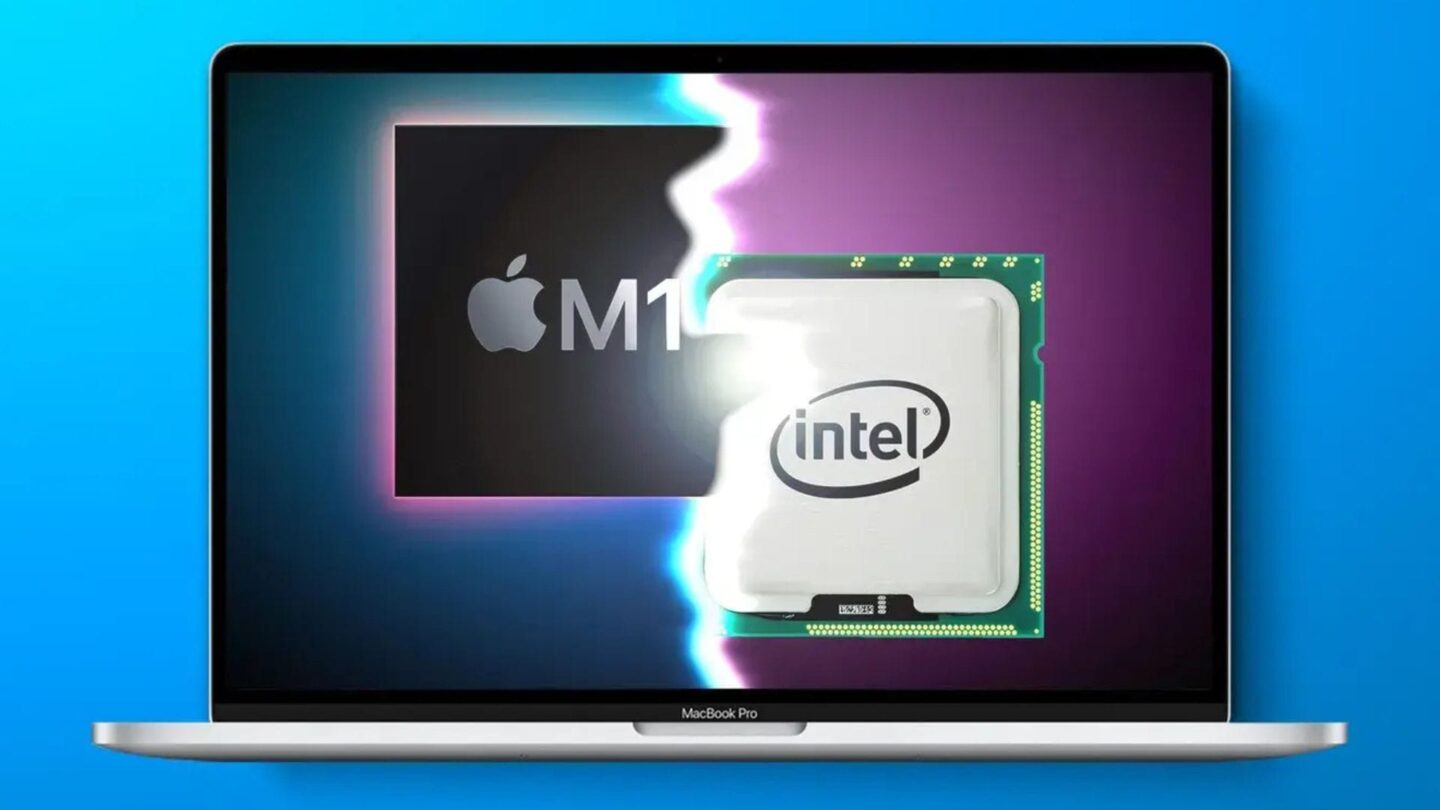
Apple has begun giving Mac App Store developers the option to remove Intel Mac support from compatible macOS applications, marking another step in the company’s transition to its own Apple Silicon processors.
The change applies to universal macOS applications on the Mac App Store that require macOS 13 or later. Developers can now release versions built exclusively for Apple Silicon, potentially reducing application download sizes and simplifying development.
Apple opens the door to Apple Silicon-only apps
Apple notified developers about the change in an email sent on 2 September, according to a report from 9to5Mac. The company said universal applications requiring macOS 13 or later could now remove compatibility with Intel-based Mac computers.
“We’re reaching out to let you know that universal macOS apps on the Mac App Store that require macOS 13 or later can now remove support for Intel-based Mac computers,” Apple said.
The company also highlighted potential benefits for developers. “By removing support for Intel-based Mac computers, you can simplify your development and optimise your download and on-device size,” Apple said.
Developers wishing to make the switch can update their application build settings to use arm64 only, then rebuild the application and submit the new version to the Mac App Store. The arm64 architecture is used by Apple’s M-series processors, which replaced Intel chips across the Mac range.
The move does not mean that Intel Macs will immediately stop running Mac App Store applications. Instead, it gives developers greater freedom to decide when to end support for older hardware. Applications that continue to support Intel Macs can still be distributed as universal builds containing code for both Intel and Apple Silicon systems.
Intel Mac users will not lose existing apps
For people still using Intel-based Macs, the immediate impact is expected to be limited. An application developer switching to an Apple Silicon-only build will not automatically remove an existing Intel-compatible version from a Mac.
Intel Mac owners should therefore be able to continue using the last version of an application that supports their hardware. However, once a developer moves exclusively to arm64, future versions will no longer be compatible with Intel processors.
That could eventually leave Intel Mac users with older versions of important applications. While those versions may continue to work, they will not receive the same feature updates, bug fixes or other improvements introduced in later releases.
The timing also means that the change could become increasingly noticeable as more developers adopt Apple Silicon-only software. Applications that rely on newer macOS technologies or are optimised around Apple’s M-series chips may gradually leave Intel hardware behind.
For users who depend on particular applications for work, creative projects or other important tasks, checking future compatibility could therefore become more important. An Intel Mac may remain usable, but software support is likely to become a growing limitation.
Apple moves closer to ending the Intel era
Apple’s decision follows a broader transition that began when the company introduced its first Apple Silicon Macs in 2020. Since then, Apple has progressively moved its Mac line away from Intel processors, with newer models relying exclusively on the company’s own chips.
The latest developer change also comes ahead of a wider shift in macOS support. macOS 27 Golden Gate is expected to end support for Intel-powered Macs altogether, further reducing the remaining role of Intel hardware in Apple’s desktop and laptop ecosystem.
Apple has also previously indicated that Rosetta 2, the translation technology that allows many Intel-based applications to run on Apple Silicon Macs, will be discontinued after macOS 27. However, some exceptions are expected for certain games. This would represent another significant stage in Apple’s effort to complete its move away from Intel-era software compatibility.
For developers, the latest change provides an opportunity to simplify their applications before Intel support disappears entirely from macOS. Instead of maintaining separate architecture requirements, developers can concentrate on Apple Silicon and potentially reduce the size and complexity of their applications.
For Intel Mac owners, however, the change serves as another indication that the platform is approaching the end of its supported lifespan. Existing hardware will not suddenly become unusable, but the growing number of Apple Silicon-only applications could make upgrading increasingly attractive as developers follow Apple’s lead.