



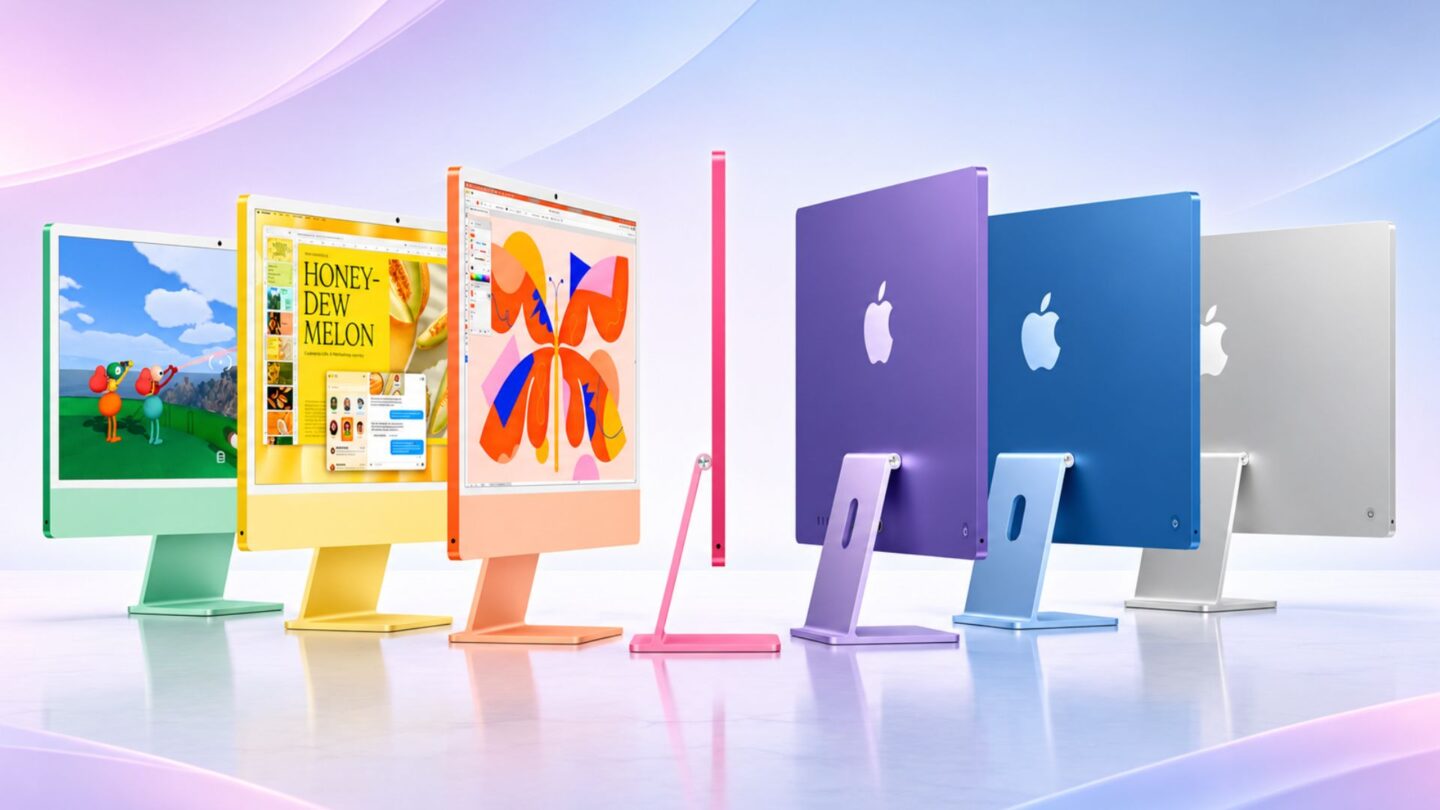
Apple may reconsider plans to introduce OLED displays to its iMac desktop computers, potentially delaying the upgrade or abandoning it altogether as the company evaluates production costs and market demand.
The move would mark a shift in Apple’s broader display strategy, which has increasingly focused on bringing OLED technology to its product range. While the technology has already reached several of its mobile devices and MacBook Pro models, the transition to desktop computers now appears less certain.
According to a report from South Korean publication The Elec, Apple has been discussing the project’s future with Samsung Display, one of its major display suppliers. The discussions reportedly centre on postponing the development schedule or cancelling the planned OLED transition entirely.
An industry official familiar with the discussions told The Elec: “For now, discussions are focused on delaying the schedule and monitoring market conditions.”
The potential change suggests Apple is taking a more cautious approach to expensive display upgrades, particularly for products that do not generate sales volumes comparable to its smartphones and laptops.
Rising production costs could affect Apple’s OLED plans
OLED technology offers several advantages over traditional LCDs, including deeper blacks, improved contrast and more vibrant colours. These features have made the technology an important part of Apple’s premium product strategy, particularly as consumers increasingly expect better display quality across their devices.
However, introducing OLED panels to desktop computers presents different commercial challenges. Unlike iPhones and MacBooks, which benefit from large production volumes, the iMac serves a smaller market. This means the cost of developing and manufacturing specialised display panels could have a greater impact on the final retail price.
Apple’s experience with its other products may also be influencing the decision. The iPad Pro received OLED technology in 2024, improving display quality but also contributing to higher prices. Despite the technological upgrade, sales reportedly fell short of expectations.
Display shipment forecasts for the OLED iPad Pro have also raised concerns. Panel shipments for the device are expected to decline by about 18 per cent this year, from around six million units last year to 4.9 million.
The introduction of OLED technology to the iPad mini has added another example of the potential costs involved. Its latest generation reportedly saw a significant price increase alongside the display upgrade, and its market performance is yet to become clear.
Beyond display manufacturing, rising memory prices are further pressuring Apple’s hardware costs. Combining more expensive components could make premium desktop products less attractive to buyers, particularly if the improvements do not justify a substantial price increase.
Apple is therefore understood to be reassessing whether the benefits of OLED technology would translate into sufficient commercial returns for its desktop range.
Apple could retain LCD technology for the next iMac
Delaying the OLED project does not necessarily mean Apple is planning major changes to the iMac’s overall design. Instead, the company could continue using LCD technology for its upcoming desktop models while exploring more affordable display options.
Previous reports suggested that Apple had been targeting 2029 or 2030 for the introduction of an OLED iMac. Samsung Display and LG Display were reportedly developing 24-inch OLED panels for the computer.
However, the latest report indicates that Apple is also approaching LCD suppliers, including BOE, about providing panels for an iMac expected to arrive around the same period.
This suggests the company is keeping its options open rather than committing to a more expensive display technology before assessing market conditions. Continuing with LCD panels could help Apple manage manufacturing expenses and avoid passing high additional costs on to customers.
The decision could also reflect a wider reassessment of Apple’s premium hardware strategy following the leadership transition in September. John Ternus, who previously served as the company’s hardware chief, stepped into the chief executive role, succeeding Tim Cook.
Although OLED remains an attractive option for future desktop computers, its adoption will depend on whether production costs and consumer demand make the upgrade financially viable.
For customers considering a future iMac purchase, the development means an OLED display may not arrive as soon as previously anticipated. The next generation could retain the LCD technology found in current models, potentially keeping pricing more accessible.
Apple has not publicly confirmed the reported change to its OLED iMac plans. Until the company makes an official announcement, treat the 2029 or 2030 timeframe and the possibility of retaining LCD panels as reported developments rather than confirmed product specifications.