


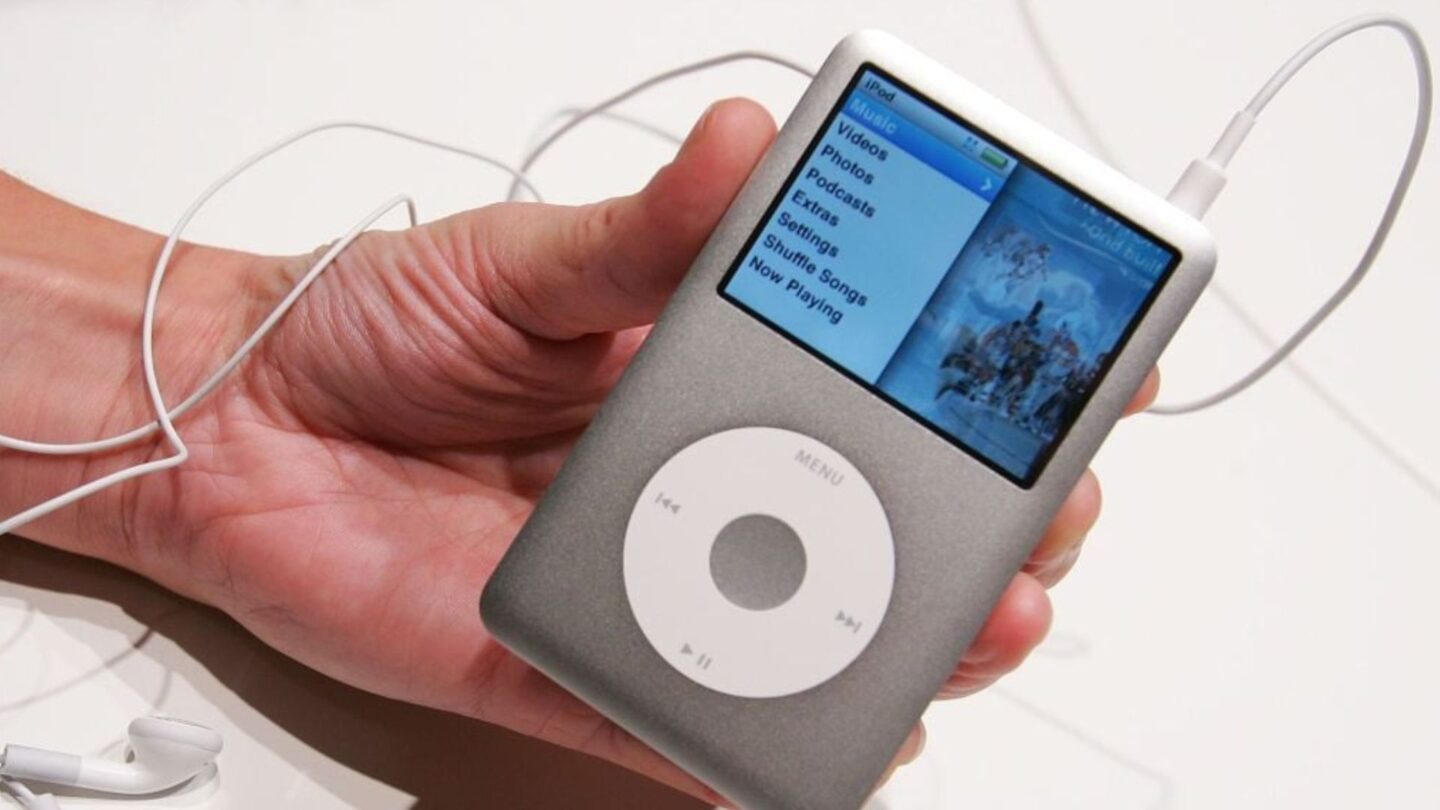
Apple Music has marked the 25th anniversary of the original iPod with a hidden interactive feature that allows users to revisit the experience of using Apple’s iconic portable music player. The Easter egg recreates the device’s familiar interface and gives users access to a virtual music library featuring more than 1,000 tracks.
Apple unveiled the original iPod on 23 October 2001, and it became one of the most influential products in Apple’s history. Its promise of carrying 1,000 songs in a pocket helped change how people stored, organised and listened to digital music. The anniversary feature offers a nostalgic reminder of the technology that helped establish Apple as a major force in consumer electronics.
Rather than announcing the anniversary through a conventional promotional campaign, Apple has hidden the experience within its Apple Music website. Visitors who encounter a broken webpage can discover a virtual version of the original device, complete with its signature click wheel, navigation menus and playable music. The feature recreates elements of the early 2000s listening experience while letting users explore the design that helped define the iPod.
Apple Music hides a virtual iPod inside its website
You can access the anniversary Easter egg by visiting a page on the Apple Music website that doesn’t exist. Instead of the usual error message, the page invites you to try an alternative experience, accompanied by the words “give this a spin instead”.
Selecting the interactive feature opens a digital recreation of the original iPod. The interface resembles the classic music player, letting visitors navigate its menus and explore a library of 1,029 playable songs. The experience recreates the look and feel of the original hardware without requiring users to own a physical device.
The virtual player includes the familiar circular click wheel, one of the defining features of early iPod models. Users can use the controls to move through menus, browse music, and select tracks, recreating the basic navigation system that made the original device recognisable.
The interface includes sections for Playlists, Artists, Songs, and Settings, reflecting the original player’s straightforward menu structure. These familiar options let visitors explore the digital music collection much like owners navigated their libraries on the physical device.
The experience is not entirely free of technical problems. Some controls may behave inconsistently, and the virtual player may not work reliably on desktop computers. Touchscreen devices, including smartphones and tablets, offer a more suitable way to explore the feature because users can interact directly with the recreated controls.
Despite these limitations, the Easter egg provides an unusual way for Apple to acknowledge the anniversary of a product that helped shape the modern digital music industry. Its placement on an error page also means visitors may discover it by accident or through online reports rather than in the main Apple Music interface.
The music library brings back the sound of the early 2000s
The 1,029-track collection is an important part of the anniversary experience, offering a selection of music from the period when the original iPod first became popular. The library includes artists such as Baha Men, blink-182, and Eminem, reflecting the mix of pop, punk rock, and hip-hop that dominated early 2000s music culture.
The selection also includes artists more closely associated with the British music scene, including Daniel Bedingfield, The Fratellis, and Klaxons. Their presence gives the virtual library a distinctly nostalgic character, though the exact selection may vary by region. It remains unclear whether users in the United States will see the same collection as those browsing from the United Kingdom.
The music library is designed to provide a taste of the original iPod experience rather than unrestricted access to full songs. Each track is limited to about 90 seconds, letting visitors sample the music without listening to full recordings.
This restriction does not prevent the feature from capturing the atmosphere of the period. For many users who remember the early days of portable digital music, the selection reminds them of the songs, artists, and listening habits that accompanied the rise of the MP3 player.
When the first iPod launched, carrying a large music collection in a single portable device represented a significant improvement over earlier portable music options. Storing hundreds or thousands of tracks without carrying physical CDs made it easier to take your music collection anywhere.
Apple’s anniversary feature revisits that idea through a modern browser-based experience. Although streaming services have largely replaced dedicated music players for everyday listening, the virtual device highlights the design and navigation choices that helped make digital music more accessible to a wider audience.
The Easter egg also demonstrates how a familiar product interface can remain recognisable decades after its introduction. The click wheel, compact menus, and simple music library reflect a time when portable digital players became an essential part of everyday entertainment.
The hidden Brick game adds another nostalgic surprise
The virtual iPod includes another feature that recalls the original device’s lesser-known functions. According to a report by Notebook Check, visitors can also access Brick, a simple game inspired by the classic block-breaking arcade format.
Brick was included as a hidden feature on the original iPod, making it an appropriate addition to the anniversary recreation. The game isn’t immediately visible in the main menu, and users must follow a specific sequence to find it.
To access the game, users need to open the About screen and hold down the centre button for several seconds. This action mirrors the original player’s hidden shortcut, bringing another piece of its history into the browser-based version.
Brick adds another layer to the experience by recreating something beyond the iPod’s primary purpose as a music player. It also rewards visitors who explore the interface carefully rather than simply opening the music library and selecting a track.
Another notable detail is that the virtual iPod reportedly works without requiring an active Apple Music subscription. This means visitors who don’t regularly use the streaming service can still explore the anniversary feature, although its availability and behaviour may depend on the device and browser used.
Apple has not explained why it created such an elaborate feature or how long it will remain accessible. Its hidden placement suggests that the company intended it as a discovery for curious visitors rather than a prominent anniversary announcement.
Nevertheless, the interactive recreation offers a light-hearted way to celebrate a product that played a major role in the development of portable digital entertainment. By bringing back the original interface, familiar artists, and a hidden game, Apple Music has turned the iPod’s 25th anniversary into a chance for users to revisit an important chapter in consumer technology history.