

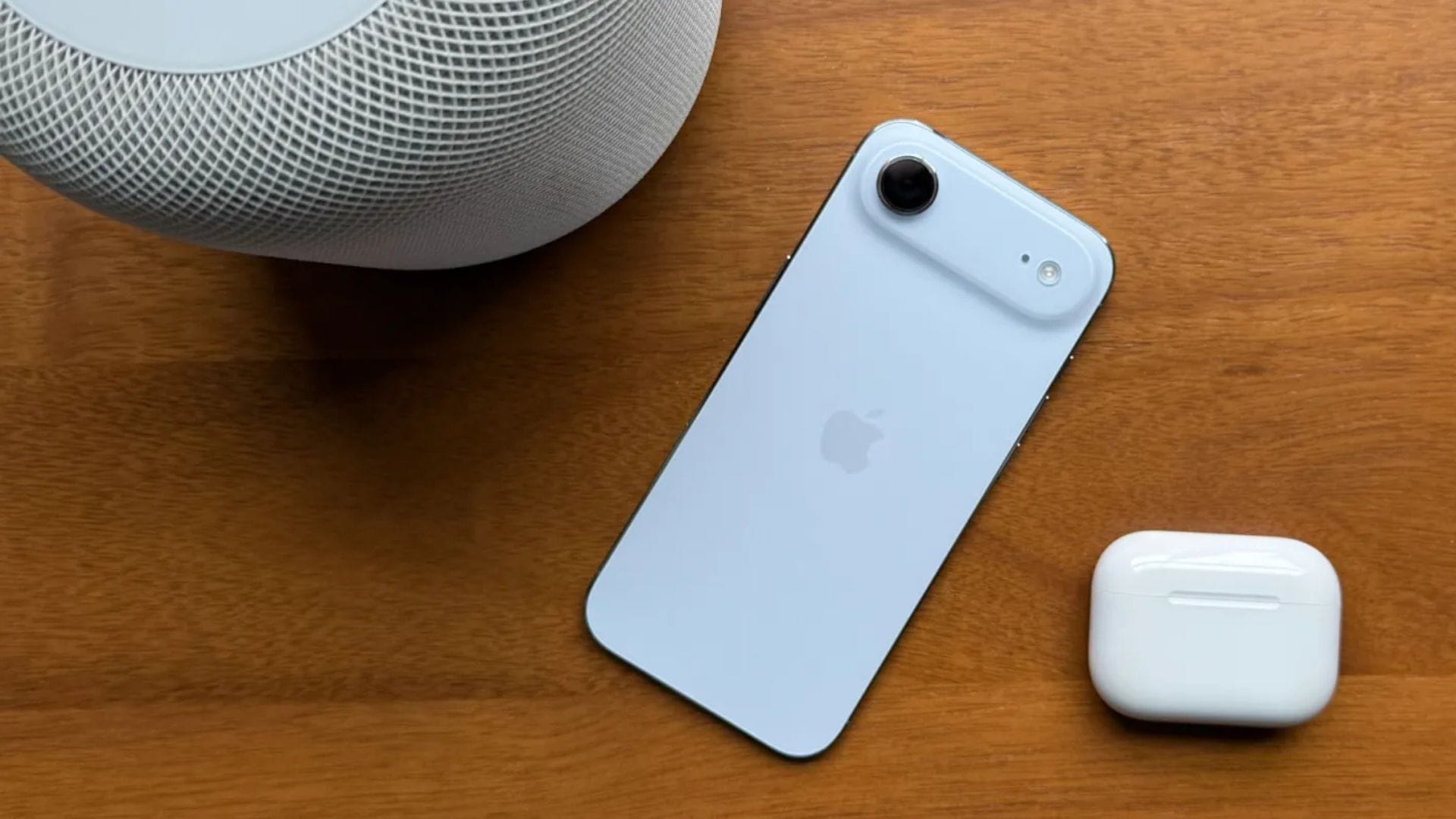
Apple is reportedly preparing a successor to its ultra-thin iPhone Air, with a new model expected to arrive in spring 2027. According to a report from Bloomberg’s Mark Gurman, the company is considering several upgrades for the second-generation device, including a dual-camera system, improved battery performance and a version of the A20 Pro processor.
The original iPhone Air was introduced in autumn 2025 as one of Apple’s lightest and slimmest smartphones. While the device attracted attention for its design, it did not appear to generate the same level of consumer demand as the company’s flagship models. Apple does not disclose detailed sales figures for individual iPhone models, making it difficult to assess the commercial performance of the handset.
The latest report suggests Apple remains committed to the Air concept and could be positioning the product line as a longer-term part of its smartphone portfolio rather than a short-lived experiment.
Apple may address key criticisms of the first iPhone Air
One of the most notable changes reportedly being considered for the iPhone Air 2 is the addition of a second rear camera. The original model featured a single rear camera, a design choice that helped Apple achieve its slim profile but also resulted in compromises compared with other premium iPhone models.
The lack of a secondary camera was frequently highlighted as one of the device’s limitations. Consumers looking for advanced photography features often favoured other iPhones that offered additional lenses and greater versatility. Introducing a second camera could help Apple make the Air series more attractive to buyers who want a balance between portability and imaging capabilities.
Battery life is also expected to receive attention. Ultra-thin smartphones often face challenges with battery capacity due to limited internal space. Reports suggest Apple is exploring ways to improve battery performance without significantly increasing the device’s size or weight.
The rumoured inclusion of a version of the A20 Pro processor could further strengthen the handset’s appeal. A more powerful chip would likely deliver improved performance, enhanced efficiency and better support for future software features. Combined with camera and battery upgrades, these changes could help reduce some of the trade-offs associated with the ultra-thin design.
The Air line could become a permanent part of Apple’s strategy
Industry observers have often viewed the iPhone Air as more than just another smartphone model. Many believe it serves as a testing ground for technologies and design approaches that could eventually be used in future devices, including Apple’s long-rumoured foldable smartphone.
Because of this perception, some analysts expected the Air series to have a limited lifespan. However, reports of a second-generation model suggest Apple may have broader ambitions for the product category. Rather than acting solely as a stepping stone towards foldable devices, the Air line could become a distinct offering within Apple’s wider smartphone range.
The company’s continued investment in the form factor indicates confidence in a market for lightweight, highly portable premium smartphones. If Apple succeeds in improving the areas that received criticism in the first model, the Air range may attract a wider audience than before.
A follow-up device would also allow Apple to refine the concept and gather further consumer feedback, helping the company determine how much demand there is for ultra-thin smartphones in the years ahead.
Apple’s changing release schedule continues to evolve
The reported spring 2027 launch window reflects a broader shift in Apple’s product release strategy. For many years, the company concentrated nearly all of its major iPhone announcements in September, creating a predictable annual cycle for consumers and investors.
Over the past year, however, Apple has begun spreading its smartphone launches across different parts of the calendar. The company continued to unveil its premium flagship models in September while introducing the more affordable iPhone 17e during the spring. This approach allows Apple to maintain consumer interest throughout the year rather than focusing attention on a single launch period.
A spring release for the iPhone Air 2 would further support this strategy. It would give the company another opportunity to showcase new hardware outside its traditional autumn event and potentially create additional sales momentum during the first half of the year.
The move may also reflect Apple’s search for new ways to differentiate its smartphone lineup. Previous efforts to offer smaller handsets, including the iPhone mini and iPhone SE, were eventually discontinued. The Air series presents an alternative approach by emphasising thinness and lightness rather than reducing overall screen size.
If the reported plans move forward, the iPhone Air 2 could provide insight into how Apple intends to balance portability, performance and premium features in future generations of its smartphones.