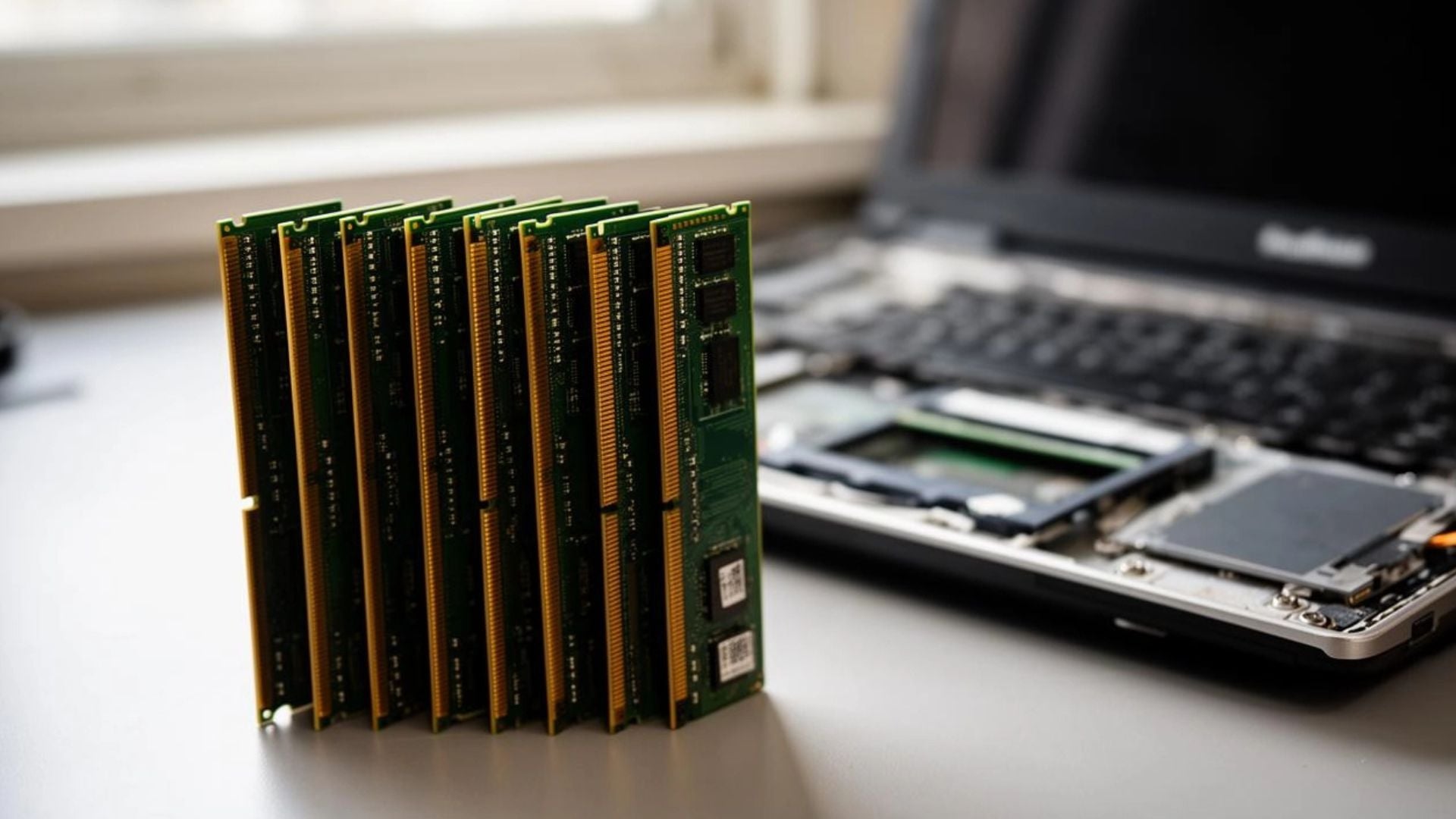



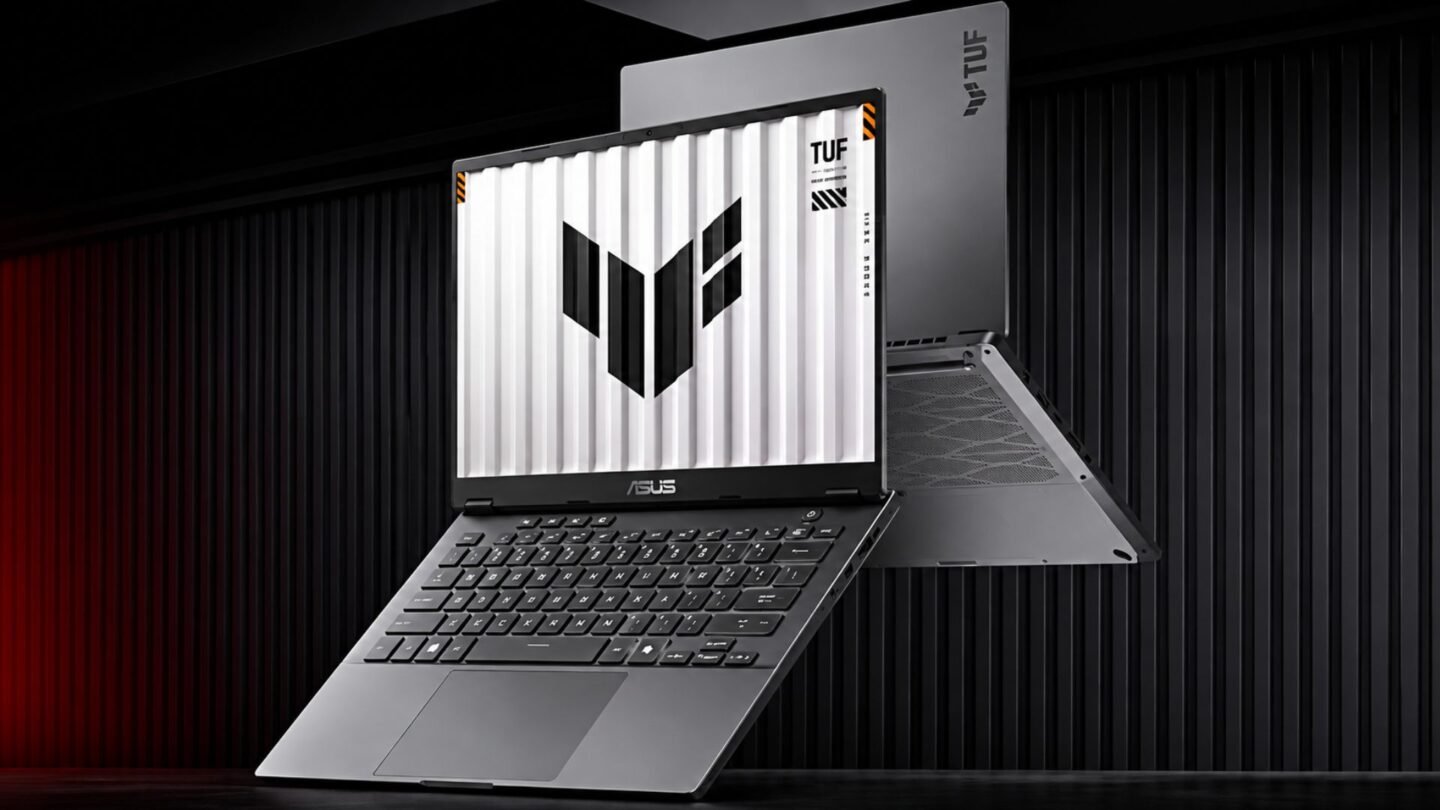
Asus could return to offering 8GB of RAM as the standard configuration for some entry-level and mid-range computers as rising memory prices put pressure on PC manufacturers. The move would mark a shift away from the 16GB configurations that have become increasingly common in budget laptops over recent years.
Asus co-CEO S.Y. Hsu told investors that the company may have to reduce memory specifications to keep its lower-priced computers affordable. The decision comes as manufacturers face higher component costs, weaker consumer demand and growing competition for memory supplies from the artificial intelligence (AI) industry.
The potential change also reflects a wider challenge facing the PC market. With memory prices continuing to climb, other major manufacturers, including HP and Dell, are also reconsidering their hardware configurations to control production costs.
Rising memory prices make 16GB configurations harder to maintain
Hsu discussed the possibility of reducing RAM specifications during Asus’s third-quarter 2026 earnings call on 12 November. According to an English translation of the call published by TechPowerUp, he said lower-tier computers “may move to 8 GB due to memory cost increases.”
The statement does not confirm that Asus will immediately introduce 8GB configurations across its budget range. The company has not identified specific models, markets or an expected launch date. However, the comments suggest that reducing memory capacity is becoming a serious consideration as manufacturers look for ways to manage increasing production expenses.
In response to a question from a J.P. Morgan analyst, Hsu explained that Asus had already increased computer prices throughout 2026 to reflect higher memory costs. The company had previously warned of possible price increases in March, when an executive said average PC prices in Taiwan could rise by as much as 30% during the second quarter.
However, manufacturers are reaching a point where passing additional costs on to customers may no longer be practical. Hsu said buyers in the entry-level and mid-range markets were becoming less willing to accept further price increases. As a result, Asus may have to adjust hardware specifications rather than continue raising retail prices.
The pressure is also affecting overall PC demand. Asus chief financial officer Nick Wu said major platform and chip partners had lowered their fourth-quarter PC demand forecasts, expecting a year-on-year decline of between 20% and 30%. Hsu also predicted the overall PC market could contract by 10% to 15% in 2027, with the first half of the year expected to see a sharper slowdown.
Memory prices are adding to the problem. A November survey by 3DCenter, covering DDR5 memory listings in Germany, found that average retail prices had reached 607% of their July 2025 baseline. Prices also rose 8.6% in a single month, highlighting continued pressure on consumers and hardware manufacturers.
Asus has also been working with Microsoft to improve the performance of computers with lower memory capacities. Hsu said that after operating system adjustments, “even 8GB can yield an acceptable experience.”
Microsoft has introduced several Windows 11 improvements to make computers with 8GB of RAM more responsive. According to a November Windows Experience Blog update, systems running Windows 11 version 26H2 build 26300.9818 or later can achieve up to 20% better responsiveness and up to 40% faster multitasking performance.
The improvements include more efficient memory compression, allowing up to 2GB of additional active data to remain in RAM. Microsoft has also adjusted how certain applications and services use system resources. Widgets now load only when opened, Microsoft Edge places inactive tabs into sleep mode after 15 minutes, and Teams automatically switches to Efficiency Mode.
These changes are intended to make lower-memory computers more practical for everyday tasks. However, they do not eliminate the limitations of having less physical RAM, particularly when running several demanding applications simultaneously.
HP and Dell are also adjusting their PC strategies
Asus is not the only manufacturer dealing with rising memory costs. HP’s fourth-quarter financial results, released on 24 November, revealed how significantly memory and storage expenses have increased.
HP chief financial officer Karen Parkhill said memory and storage accounted for approximately 15% to 18% of a computer’s bill of materials at the beginning of the company’s fiscal year. That figure has since climbed to “closer to 40% of the BOM”, making memory one of the largest contributors to PC manufacturing costs.
The increase is also higher than the 35% figure HP reported in February. The company recorded a 31% decline in consumer PC units in its latest quarter and expects the wider PC market to decline further in 2027. Parkhill also warned that memory costs would continue increasing next year, although the rate of growth could slow.
HP is responding by exploring lower-cost designs and alternative hardware configurations. One example is the OmniBook 5, which starts at US$699.99 and offers different memory options. Its entry-level configuration includes 8GB of soldered LPDDR5 memory and an Intel Core 5 320 processor, while customers can also choose configurations with 12GB or 16GB of RAM.
Dell has reported similar challenges, with executives pointing to weaker demand for traditional computers. Vice chairman and chief operating officer Jeff Clarke said customers were “electing to defer some PC-related refresh” as businesses prioritised spending on servers and storage infrastructure. Chief financial officer David Kennedy also expects the PC market to remain weak throughout 2027.
The situation is partly connected to the growing demand for AI infrastructure. Memory manufacturers are directing more production capacity towards high-bandwidth memory (HBM) and server components, leaving less capacity available for conventional PC memory.
TrendForce expects PC DRAM contract prices to rise 13% to 18% quarter-on-quarter in the fourth quarter of 2026. It also reported that memory manufacturers are considering reducing PC DRAM supply in 2027 as demand from AI infrastructure continues to absorb production capacity. Some computer manufacturers are already evaluating lower-specification memory chips and processors with fewer cores for their upcoming products.
Counterpoint Research has also indicated that early contract negotiations point towards another increase in memory prices during the first quarter of 2027. These developments suggest that the pressure on PC manufacturers is unlikely to disappear in the near future.
Interestingly, the companies facing these challenges are still reporting strong financial results. Asus recorded quarterly revenue of NT$258.79 billion, representing a 36% year-on-year increase, while net profit rose by 105% to NT$21.63 billion. The company also expects its server revenue to increase significantly during the fourth quarter.
Dell reported record revenue of US$54.9 billion, supported by strong demand for AI servers. However, revenue from its PC business increased by only 3% to US$12.9 billion. The contrast highlights how AI-related products are becoming increasingly important to manufacturers compared with traditional consumer computers.
Should consumers still buy laptops with 8GB of RAM?
The potential return of 8GB laptops raises questions about whether consumers should accept lower memory specifications when purchasing a new computer. Although improvements to Windows 11 may help, 8GB of RAM remains a limitation for users who regularly multitask or run demanding applications.
For everyday activities such as browsing the internet, working with documents, attending video calls and streaming content, an updated 8GB Windows 11 computer may provide a reasonably smooth experience. Microsoft’s memory management improvements could also help reduce performance problems when running several lightweight applications.
However, users who regularly work with creative software, edit videos, manage large files, or keep multiple applications open will benefit from having more memory. A 16GB configuration remains a more practical starting point for most general-purpose Windows laptops, particularly for people planning to keep their computers for several years.
The type of memory also matters. Some budget laptops use soldered RAM, which you can’t upgrade after purchase. Buyers choosing these machines will be limited to the memory capacity included in their original configuration. An 8GB laptop with soldered memory could therefore become restrictive as software requirements increase.
Pricing is also a question. Asus has presented the potential reduction in RAM as a way to keep entry-level computers within an acceptable price range, rather than as an opportunity to make them significantly cheaper. This means consumers could eventually pay similar prices for computers offering less memory than previous generations.
For buyers planning to purchase a laptop, a discounted 16GB model available today could offer better long-term value than waiting for newer budget machines with reduced specifications. Those who cannot find an affordable 16GB option could also consider a 12GB configuration, provided the computer meets their performance requirements.
The memory shortage is creating a difficult situation for PC manufacturers and consumers alike. As AI infrastructure continues to compete for available memory supplies and manufacturers prepare for further cost increases, 8GB RAM could once again become a common feature of entry-level laptops in 2027.