


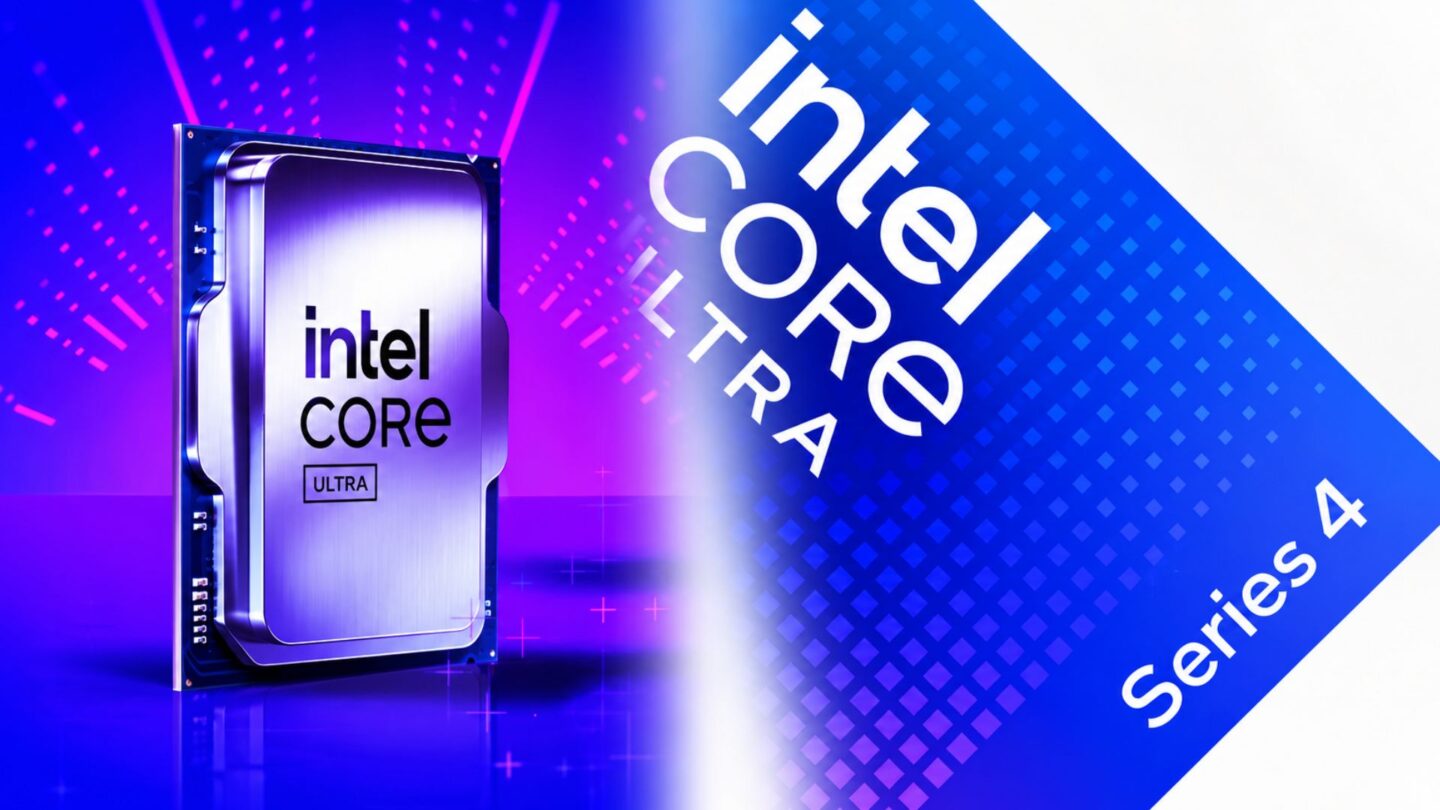
Intel’s upcoming Nova Lake processor generation could adopt a unified Core Ultra 4000 naming scheme across desktop computers and laptops, according to newly revised leak information. The reported change would replace an earlier plan that suggested some mainstream laptop processors would use three-digit Core Ultra 400 model numbers. In contrast, desktop chips and higher-performance mobile processors would carry four-digit names.
Hardware leaker Jaykihn reportedly updated the information on 16 October, indicating that Nova Lake H-series processors and other mobile variants would also use four-digit model numbers. When asked whether the entire Nova Lake family would fall under the Core Ultra 4000 branding, the leaker confirmed that this was expected.
Intel has not officially announced the naming convention, meaning the information remains unconfirmed. However, if the report proves accurate, the company could be preparing a more consistent approach to identifying its next-generation processors across different types of devices.
A unified naming structure could make it easier for consumers to recognise chips from the same generation when comparing desktop and laptop systems. Nevertheless, branding alone would not indicate each processor’s performance level, and Intel still needs to release further details about its final product range.
All five Nova Lake processor families could use four-digit model numbers
The reported change could affect five Nova Lake processor families, covering a broad range of computing devices. These include Nova Lake-S for desktop computers, Nova Lake-HX for high-performance laptops, Nova Lake-H for mainstream performance laptops, and Nova Lake-U and Nova Lake-UL for lower-power mobile systems.
Retracting this. Sorry all! H and suffix-less Nova Lake Mobile also utilize this four-number naming scheme.
— Jaykihn (@jaykihn0) October 16, 2026
Under the earlier naming expectations, Intel was reportedly planning to distinguish between desktop and high-performance mobile chips and other laptop processors. Nova Lake-S and Nova Lake-HX were expected to receive four-digit Core Ultra 4000 model numbers, while mainstream and lower-power mobile variants could have used the shorter Core Ultra 400 branding.
The latest information suggests that Intel may abandon this distinction. Instead, processors across the five families could share the Core Ultra 4000 naming structure, whether they are designed for desktop computers, performance-focused laptops, or more power-efficient portable devices.
Several potential desktop processor names have already appeared in leaks. These include the Core Ultra 9 4970K BFC, Core Ultra 9 4950K and Core Ultra 7 4870K BFC. Although these names indicate how Intel might brand its next-generation desktop products, the company has not officially confirmed them.
The situation remains less clear for mainstream laptop processors. Intel has not yet publicly established specific retail model numbers for Nova Lake-H, Nova Lake-U, and Nova Lake-UL, leaving uncertainty about how it will differentiate individual chips within those categories.
If Intel adopts a unified approach, it could use the four-digit numbering system to create a more consistent identity for the Nova Lake generation. However, the company has not confirmed whether every processor in the range will follow this pattern or whether it will introduce additional naming distinctions before launch.
A unified naming scheme could make processor selection easier
Using the same generation-based branding across desktop and laptop products could help consumers understand Intel’s processor range more easily. For example, shoppers comparing a desktop computer with a laptop might find it easier to identify products from the same generation without having to interpret different numbering formats.
A consistent system could also make product comparisons clearer for retailers, computer manufacturers and technology reviewers. With several processor families targeting different device types, a shared naming convention could reduce confusion when identifying products within the same generation.
However, a common Core Ultra 4000 label would not mean that every processor delivers comparable performance. Desktop chips and laptop processors operate under different power and cooling constraints, while lower-power mobile variants balance performance with battery life and energy efficiency.
Buyers would still need to review individual processor specifications before deciding. Factors such as core configuration, operating power, intended workload, and the computer’s design would remain important when comparing systems.
The final model numbers would also need to communicate differences between performance tiers. A higher-end desktop processor and an entry-level mobile chip could share the same generation branding while offering substantially different capabilities. Intel’s product descriptions and specifications would be essential to explain those distinctions.
Nova Lake is expected in 2027, though desktop and mobile variants could launch at different times. Intel has not yet confirmed the full processor lineup, individual specifications, pricing, or release dates, so the timing and scope of the reported naming change remain uncertain.
Until Intel makes an official announcement, treat the revised Core Ultra 4000 branding as an unconfirmed report rather than a settled product strategy. Additional leaks may reveal more about the lineup in the coming months, but the company’s formal launch information will ultimately determine how it names and positions its next-generation processors.