

Netflix has strengthened its growing games offering by introducing a set of well-known party titles to its television app, signalling a continued shift towards social and family-focused entertainment. The company confirmed that Jackbox Party Essentials has been added to its Netflix Party Games collection, bringing several widely recognised multiplayer games directly to subscribers without additional charges.
The addition introduces three titles from the Jackbox series: Fibbage 4, Quiplash 3 and Drawful 2. Each of these games supports up to eight players, allowing households and groups of friends to participate together using connected devices. The move reflects Netflix’s broader strategy of positioning its platform as a shared entertainment hub rather than solely a destination for films and television programmes.
Netflix strengthens focus on shared gaming experiences
Netflix has been gradually reshaping its gaming strategy in recent months, placing greater emphasis on group-focused experiences rather than single-player gameplay. The arrival of Jackbox Party Essentials highlights this shift, as the selected titles are widely known for their ease of use and appeal to players of different ages and experience levels.
The three included games offer distinct styles of interaction. Fibbage 4 challenges players to create convincing false answers to trivia-style questions, while Quiplash 3 focuses on humorous responses to prompts that fellow participants then judge. Drawful 2 encourages creativity through drawing-based challenges, where players attempt to illustrate unusual phrases and guess others’ sketches. By combining trivia, humour and drawing, the package offers a variety of play styles intended to suit mixed groups.
Netflix has emphasised that the games are available to subscribers at no additional cost, reinforcing its approach of bundling interactive content into the existing membership structure. This method removes the need for separate purchases or external downloads, simplifying access for families and casual users who may be less familiar with gaming platforms.
The company’s decision to integrate these titles directly into its television interface also demonstrates an effort to lower barriers to entry. By enabling gameplay on devices already connected to the TV, Netflix aims to encourage spontaneous participation during gatherings or family time, mirroring the convenience of streaming video.
Integration with Netflix content and platform features
Alongside its expansion into party games, Netflix has been experimenting with linking its gaming library to its original entertainment catalogue. The company has previously introduced themed features that allow users to interact with characters inspired by its shows and films.
One example includes the ability to play the cooking game Overcooked through Netflix while selecting an in-game avatar based on a member of Huntr/x from Kpop Demon Hunters. Such integrations are designed to strengthen links between gaming and established franchises, encouraging viewers to explore related interactive experiences.
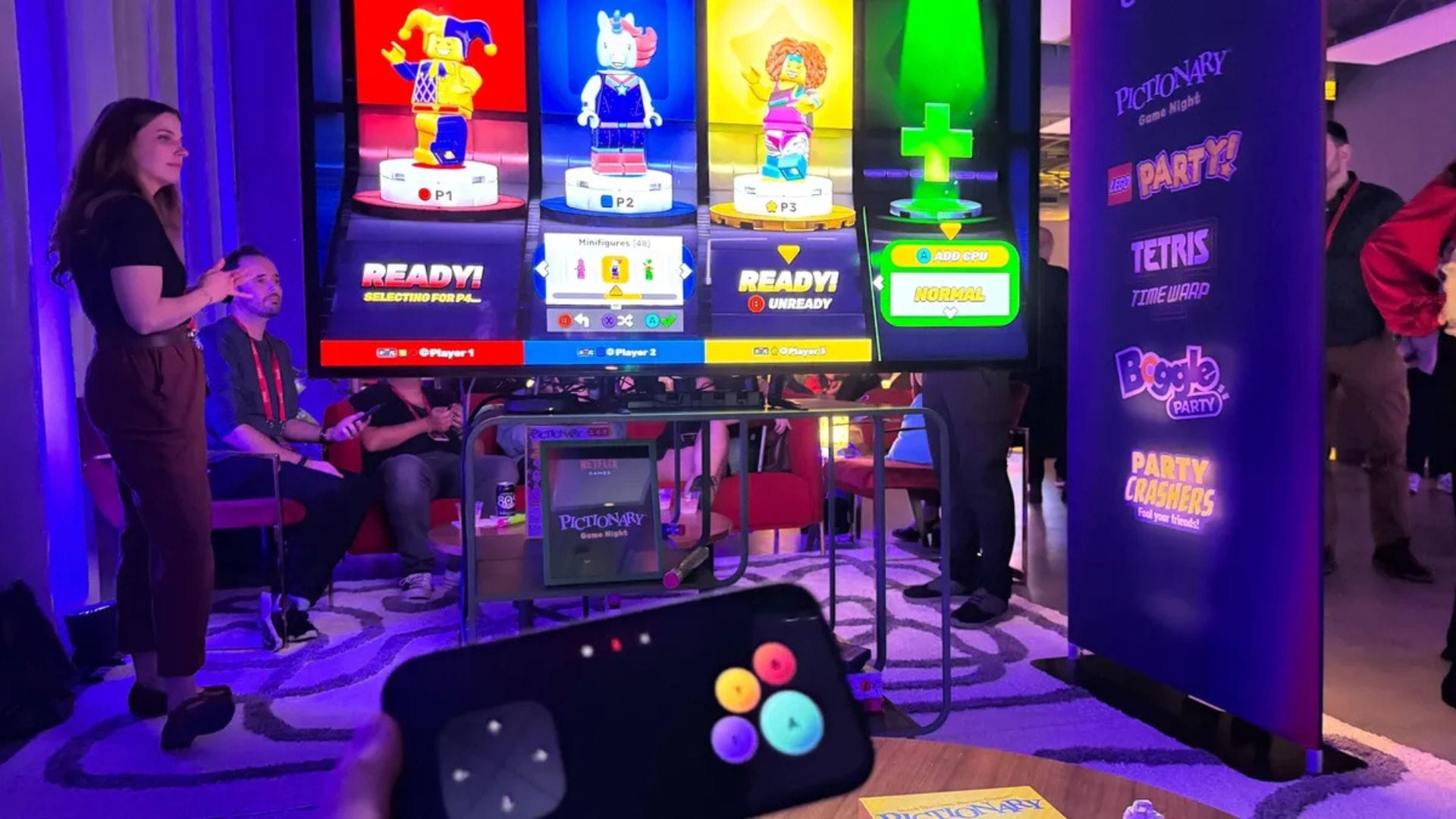
Netflix has also invested in tools that simplify gameplay across devices. The company introduced its Game Controller software, which transforms a smartphone into a gamepad for titles available through the Netflix platform. This approach removes the need for dedicated gaming hardware, making multiplayer sessions more accessible to households that may not own traditional consoles.
The performance of this mobile controller application has provided insight into user interest. Around the Easter holiday weekend, the software ranked among the most downloaded apps on Apple’s iOS platform. The surge in downloads suggested that many families were exploring new ways to entertain themselves during gatherings, with gaming emerging as a complementary activity to streaming films and series.
By aligning its gaming offerings with periods of increased social activity, Netflix appears to be positioning its titles as a natural addition to holiday celebrations and group events. This seasonal engagement strategy aligns with broader entertainment industry trends, where shared experiences often drive higher participation.
Ongoing evolution of Netflix’s interactive strategy
Netflix’s latest addition of Jackbox titles highlights its continued experimentation with interactive entertainment, a field it has approached cautiously but consistently in recent years. While earlier efforts included narrative-driven experiences and mobile-focused releases, the company’s recent moves suggest a stronger focus on accessibility and social play.
Party games have long been recognised for their ability to engage diverse audiences, particularly those who may not identify as traditional gamers. By selecting familiar, well-established titles, Netflix reduces the risk of introducing entirely new intellectual properties. The Jackbox brand, known for its humour and simplicity, aligns well with this objective.
Industry observers note that the emphasis on group-based entertainment reflects shifting viewing habits. As streaming services compete for attention, platforms are exploring ways to transform passive viewing into interactive engagement. Games that encourage conversation and shared laughter can extend the time users spend on the platform, strengthening customer loyalty.
Netflix’s decision to highlight family-friendly content also suggests an awareness of household viewing patterns. Many subscribers access the service through shared living spaces, making multiplayer games a logical extension of the existing viewing environment. By promoting titles that support multiple participants, the company encourages repeat usage across different age groups.
The addition of Jackbox Party Essentials may represent a broader trend within the company’s long-term plans. As Netflix continues to refine its gaming catalogue, future releases are likely to prioritise accessibility, recognisable brands and seamless integration with existing features. This direction indicates that gaming will remain a central component of the platform’s evolving identity.