


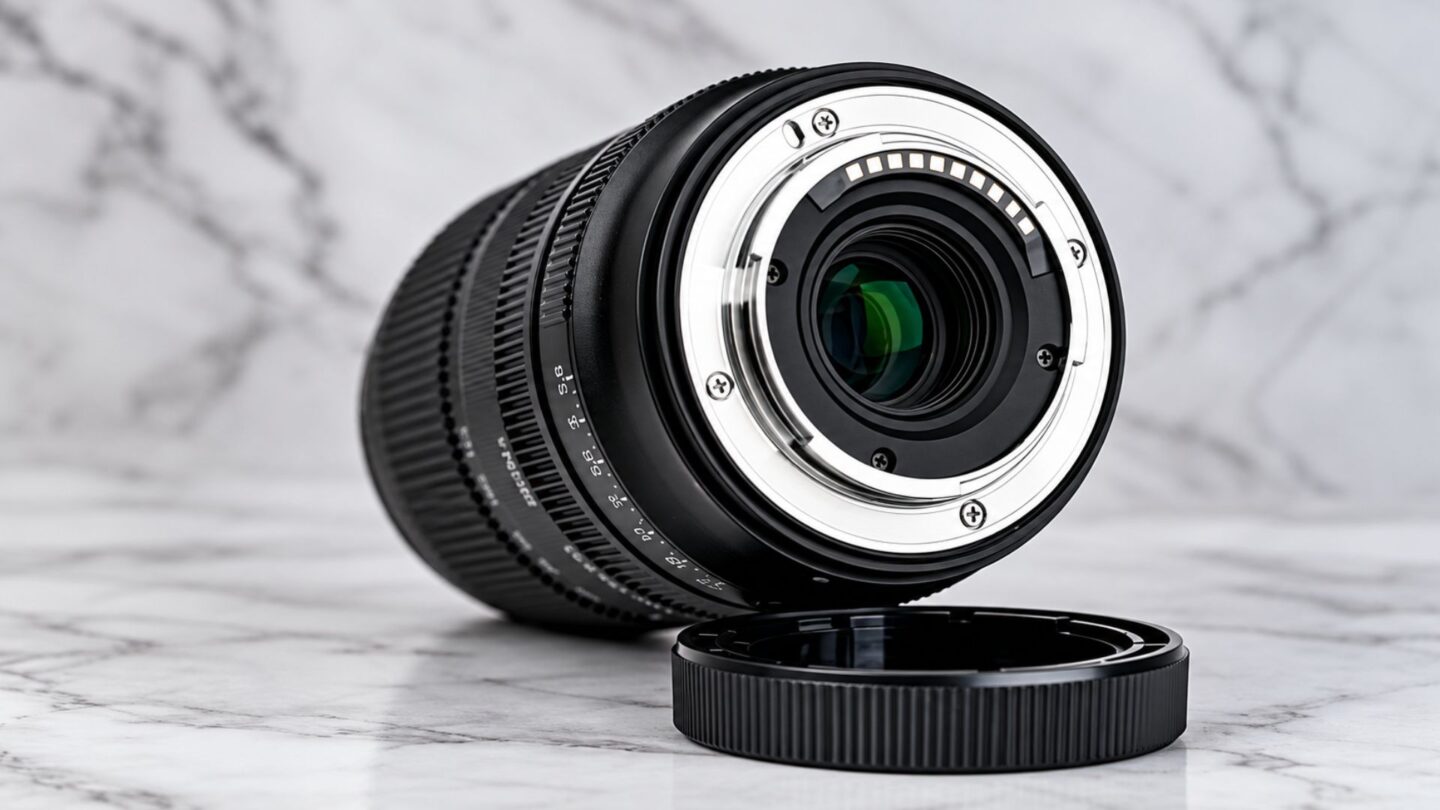
Sigma has expanded its compact APS-C lens range with the 50-120mm F2.8 DC OS Contemporary, completing a trio of constant-aperture f/2.8 zooms for crop-sensor mirrorless cameras. The new telephoto lens targets photographers who want the versatility of a professional zoom without the size, weight, and cost typically associated with full-frame equipment.
On APS-C cameras, the lens offers an equivalent focal-length range of about 75-180mm, making it suitable for portraits, events, sports, and other subjects that benefit from extra reach. It joins Sigma’s existing 10-18mm F2.8 and 18-50mm F2.8 zooms, giving photographers a compact three-lens setup covering a broad range of focal lengths.
The new lens measures about 10cm long and weighs just 380g. It will cost US$799, £699, or about AU$1,300, putting it well below the price of many professional full-frame telephoto zooms. Its constant f/2.8 aperture and relatively small body could make it an attractive option for photographers who prioritise portability.
The difference becomes particularly noticeable when compared with full-frame 70-200mm f/2.8 lenses. Professional versions can weigh around 1kg and cost more than US$2,000. Sigma’s complete trio of APS-C f/2.8 zooms weighs less than that single full-frame telephoto lens, while the combined cost can also be substantially lower.
A compact alternative to full-frame telephoto zooms
Telephoto zooms are among the most versatile lenses photographers can use. A 70-200mm-class lens can handle everything from portraits and weddings to sporting events, wildlife, and landscapes. However, their usefulness often comes with a significant trade-off in terms of size and weight.
Sigma appears to have focused heavily on reducing that burden with the 50-120mm. Although the lens does not reach the full 200mm focal length offered by many professional full-frame alternatives, its 180mm equivalent maximum focal length still provides substantial reach for most everyday telephoto applications.
The lens also retains a constant f/2.8 maximum aperture throughout its zoom range. This gives photographers consistent exposure settings as they change focal lengths and more control over background blur. For portrait photographers and event shooters working in changing lighting conditions, those characteristics can be particularly useful.
Another important consideration is portability. A telephoto zoom that weighs only 380g could be much easier to carry during long shooting sessions than a professional full-frame equivalent. That could make smaller APS-C camera bodies a more practical choice for photographers who would otherwise choose larger full-frame systems for their lens options.
Sigma has also positioned the new model as part of a broader APS-C system rather than as an isolated lens. Combined with the company’s 10-18mm and 18-50mm f/2.8 zooms, photographers can cover wide-angle, standard, and telephoto ranges while maintaining a constant f/2.8 aperture across the three lenses.
Sony, Canon and Fujifilm users get the new option
The Sigma 50-120mm F2.8 DC OS Contemporary is scheduled to go on sale from 22 October for Sony E, Fujifilm X and Canon RF mounts. The availability is particularly notable for Sony and Canon APS-C users, as neither manufacturer currently offers a directly comparable compact constant-f/2.8 telephoto zoom for its crop-sensor mirrorless systems.
Fujifilm already offers the XF 50-140mm f/2.8 R LM OIS WR, which provides similar coverage. However, Fujifilm’s lens is considerably larger and heavier, making Sigma’s offering an appealing alternative for users who prioritise portability and price.
Nikon users face a different situation. Nikon has not announced a new telephoto zoom for the Z mount, leaving Nikon APS-C photographers without access to the lens for now. Sigma has confirmed that its 16-300mm travel zoom is coming to Nikon Z, but it has not confirmed that the 50-120mm will receive the same treatment.
That mount limitation could disappoint Nikon photographers looking to build a lightweight APS-C kit. Sigma’s decision to support Sony, Fujifilm and Canon initially nevertheless gives users of those systems a new option in a category where compact f/2.8 telephoto zooms remain relatively uncommon.
The lens also features optical stabilisation, making it better suited to handheld photography at longer focal lengths. Combined with its small size, the stabilisation could further strengthen its appeal for photographers who regularly work without a tripod.
Early interest highlights the appeal of APS-C
Although photographers have yet to fully test the 50-120mm F2.8 DC OS Contemporary, expectations are high among those familiar with Sigma’s recent APS-C lenses. The company’s 10-18mm F2.8 DC DN Contemporary, for example, has already established a reputation as a compact wide-angle option for crop-sensor cameras.
The new telephoto seems to follow the same philosophy, combining a relatively fast aperture with a small, lightweight design. Stopping at 120mm rather than extending the zoom to 135mm or 140mm may have helped Sigma keep the lens compact, while the resulting 75-180mm equivalent range remains useful for a wide variety of subjects.
The lack of teleconverter compatibility is one limitation. Photographers cannot add a teleconverter to extend the lens beyond its native range, so those who need more reach will have to use a different lens. For general portrait, event and sports photography, however, 180mm equivalent may provide enough reach for many situations.
Early reactions from the photography community suggest that the combination of price, size and specifications has already generated significant interest. One Reddit discussion has described the lens as “an APS-C legend in the making”, reflecting the enthusiasm surrounding the new design.
The 50-120mm could ultimately strengthen the case for choosing APS-C over full-frame for photographers who value mobility without wanting to sacrifice a constant f/2.8 aperture. With a launch price of US$799 and a weight of only 380g, Sigma’s latest zoom offers a considerably lighter alternative to traditional professional telephoto lenses.