


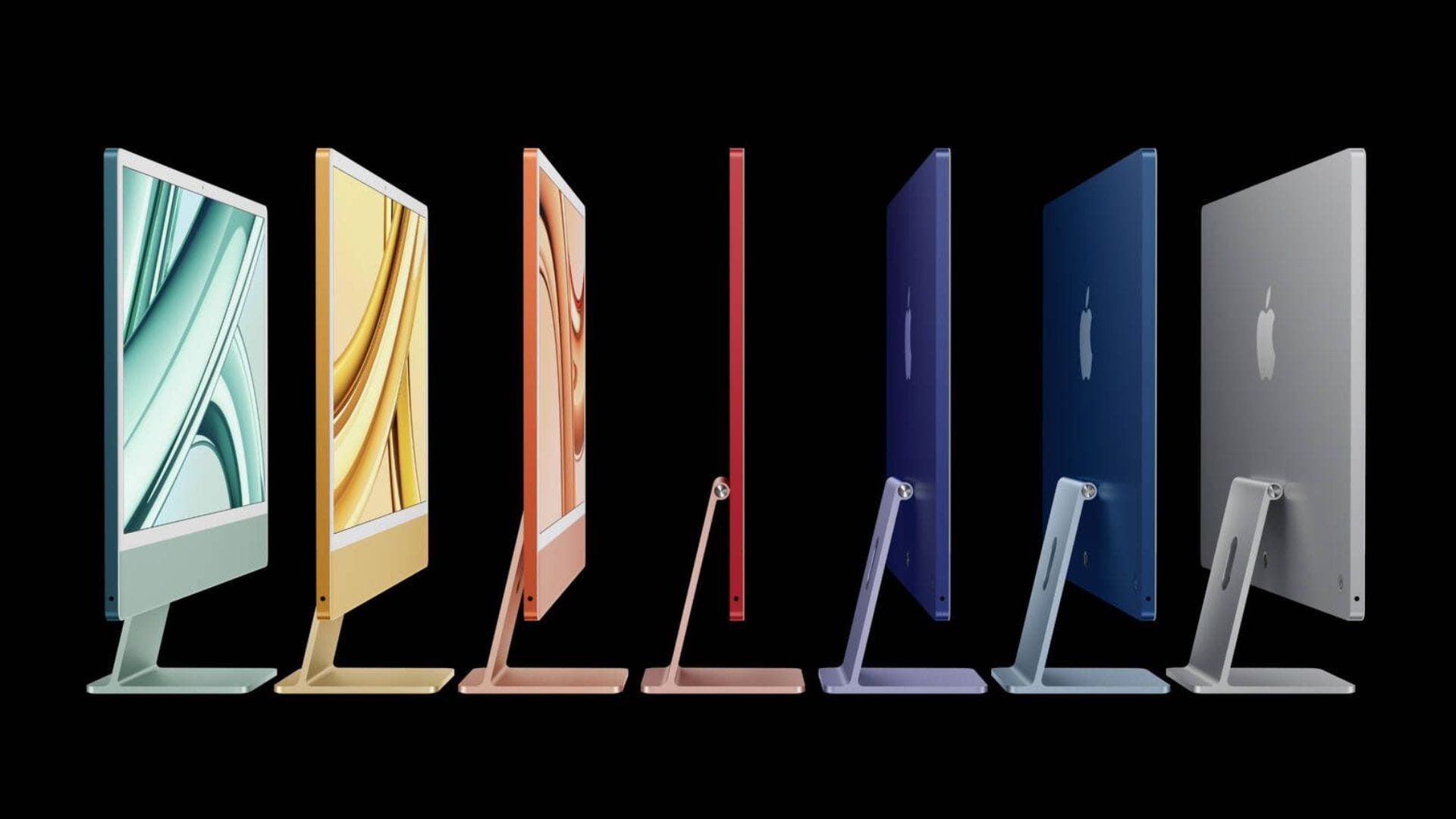
Apple is reportedly preparing a new iMac for release before the end of 2026, but the upcoming all-in-one desktop is not expected to receive a major redesign. The main change could be the introduction of Apple’s next-generation M6 processor, along with new colour choices.
According to Bloomberg’s Mark Gurman, Apple is working on an updated iMac that could go on sale later this year. The report suggests the company is keeping the overall design largely unchanged, meaning buyers should not expect a larger display, an OLED screen or a significantly redesigned chassis.
The expected update would continue Apple’s current approach to the iMac, which uses a 24-inch display and combines the computer’s components into a slim all-in-one design. While the lack of a major physical redesign may disappoint some buyers, the move to the M6 chip could still provide a useful performance improvement.
M6 could give the iMac a meaningful performance boost
The processor is likely to be the most significant change in the next iMac. Apple is reportedly taking a different approach with its M6 generation, with previous reports suggesting that the company could launch only a standard M6 chip before introducing more powerful M7 variants in 2027.
That would mean there may be no M6 Pro, M6 Max or M6 Ultra versions. For the iMac, however, the absence of higher-end variants may not matter much. Apple’s 24-inch desktop has traditionally been aimed at everyday users and professionals who do not require the processing capabilities of its higher-performance Mac models.
The standard M6 could therefore be well suited to the iMac. Reports indicate that the chip could offer increased memory bandwidth, a more capable Neural Engine and a GPU with up to 12 cores. These improvements could make the next-generation desktop faster at everyday tasks as well as more demanding workloads involving graphics, artificial intelligence and creative applications.
The expected processor upgrade could also help extend the useful life of the iMac without requiring Apple to make major changes to its external design. The existing 24-inch form factor remains relatively distinctive in Apple’s desktop range, and retaining it would allow the company to refresh the internal hardware while keeping production changes more limited.
For buyers who already like the current iMac design, that could make the 2026 model an attractive upgrade. However, those expecting a completely new generation of Apple’s all-in-one desktop may need to wait longer.
Bigger screens and OLED could still be several years away
A larger display remains one of the most frequently discussed potential changes for the iMac, but there appears to be little indication that it will arrive with the 2026 refresh. Apple is reportedly still exploring larger iMac models with more powerful hardware, but those plans have not yet translated into an imminent product.
An OLED display also appears to be a longer-term possibility. Reports have suggested that Samsung Display and LG Display are developing 24-inch OLED panels that could eventually be used in an iMac. However, current expectations point towards an OLED iMac arriving around 2029 rather than this year.
That would leave the next iMac looking much like the current model, with Apple relying on its internal hardware and colour options to distinguish the new machine. For consumers hoping for a dramatic visual upgrade, the 2026 release may therefore feel more like a routine specification update than a new generation.
Apple could also introduce the M6 iMac on a different schedule from its flagship iPhone launches. The company followed a separate timetable for the M4 iMac in 2024, announcing the machine on 28 October and releasing it on 8 November. The iMac arrived more than a month after Apple’s iPhone 16 launch event.
If Apple follows a similar pattern in 2026, the new desktop could appear in October or November rather than alongside the iPhone 18 Pro range. This would give the company a separate opportunity to highlight its Mac hardware later in the year.
The timing could be particularly relevant because Apple increased the starting price of the current M4 iMac in June. The entry-level model rose from $1,299 to $1,499, making the desktop considerably more expensive than it was earlier in the year.
As a result, buyers who don’t urgently need a new desktop may have a reason to wait. Rather than paying the higher price for the existing M4 model, they could see what Apple offers with the M6 iMac later in the year. Even if the new machine retains the same design, a newer processor and potentially different colour options could make it the more appealing purchase.
For now, the expected 2026 iMac appears to be a relatively modest update. Apple may be saving its more substantial changes, including larger displays and OLED technology, for a future generation.