


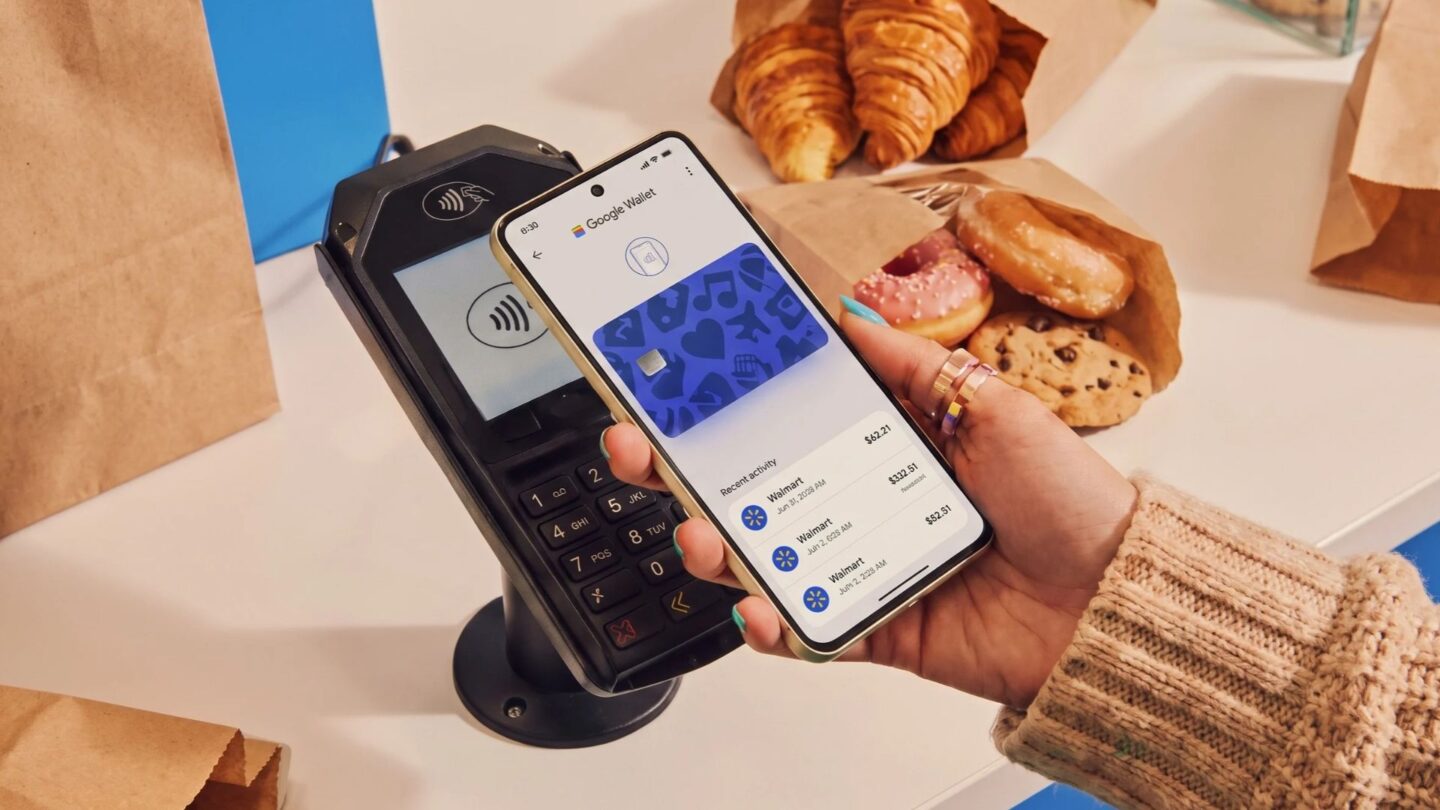
Google has officially released its Google Wallet application for iOS devices, marking a notable expansion of its digital services onto rival hardware. The software became available on 17 November for users across the United States, bringing a dedicated platform for organising digital passes, online payment methods, and travel documents to the iPhone. Because Google and Apple have historically kept many core system utilities exclusive to their own operating systems, the arrival of a first-party wallet app on the App Store represents a rare cross-platform crossover between the two technology giants.
The release arrives more than thirteen years after Google first experimented with an earlier version of its payment software on Apple hardware. For this modern iteration, the company has focused heavily on syncing information across a person’s existing Google account. By connecting directly to services such as Gmail, the application automatically imports boarding passes, event tickets, and parcel tracking updates without requiring users to search through their email inboxes or open a web browser.
Overlapping features with Apple Wallet
At first glance, introducing Google Wallet on the iPhone appears to create a direct overlap with Apple’s built-in Apple Wallet service. Both apps store digital payment cards, manage travel itineraries, and hold event tickets in a single accessible location. Apple’s native software already handles identification cards, transit passes, and boarding documents natively within the operating system, leading industry observers to question why iPhone owners would download a secondary digital wallet.
However, Google is positioning its software as a cross-platform organiser for individuals who rely heavily on its broader ecosystem of web tools. Users can scan physical loyalty cards and gym memberships using their smartphone camera to digitise them immediately. Once saved, these items remain tied to the user’s Google account, so changes and new additions are accessible across iOS, Android, and desktop web browsers. The app also allows people to manage saved debit and credit cards for faster online checkouts wherever Google Pay is accepted.
A dedicated hub for agentic artificial intelligence purchases
The primary feature distinguishing Google Wallet from Apple’s native alternative is its role in managing automated transactions. Google designed the app as a central, secure hub for agentic purchases made through its artificial intelligence tools. As AI assistants increasingly can browse products, book services, and complete transactions on a user’s behalf, tracking those automated orders has become a central focus for software developers.
In its announcement, Google confirmed that order confirmations, digital receipts, and live delivery tracking generated by its Gemini AI tools will automatically populate inside the Wallet interface. This strategy highlights a clear divergence in how the two rival companies approach artificial intelligence. While Apple has taken a noticeably cautious approach to rolling out autonomous AI shopping features across its software, Google is actively building the underlying infrastructure to support automated commerce across every platform its customers use.
Key limitations at the physical checkout counter
Despite its broad range of organisational features, the iOS version of Google Wallet lacks a core capability found on its Android counterpart. The application does not support tap-to-pay functionality for contactless transactions at physical retail terminals. In its official release notes, Google stated that “tap-to-pay functionality isn’t supported on iOS at this time,” leaving open the question of whether near-field communication payments might be introduced in a future software update.
Because contactless in-store payments remain unavailable, iPhone owners will still need to rely on Apple Pay when paying at a physical register. For now, the application functions primarily as a digital repository and receipt tracker rather than a complete replacement for Apple’s native payment system. Users in the United States running iOS 17.0 or later can download the software free of charge from the App Store, though Google has not yet shared a timeline for international availability.