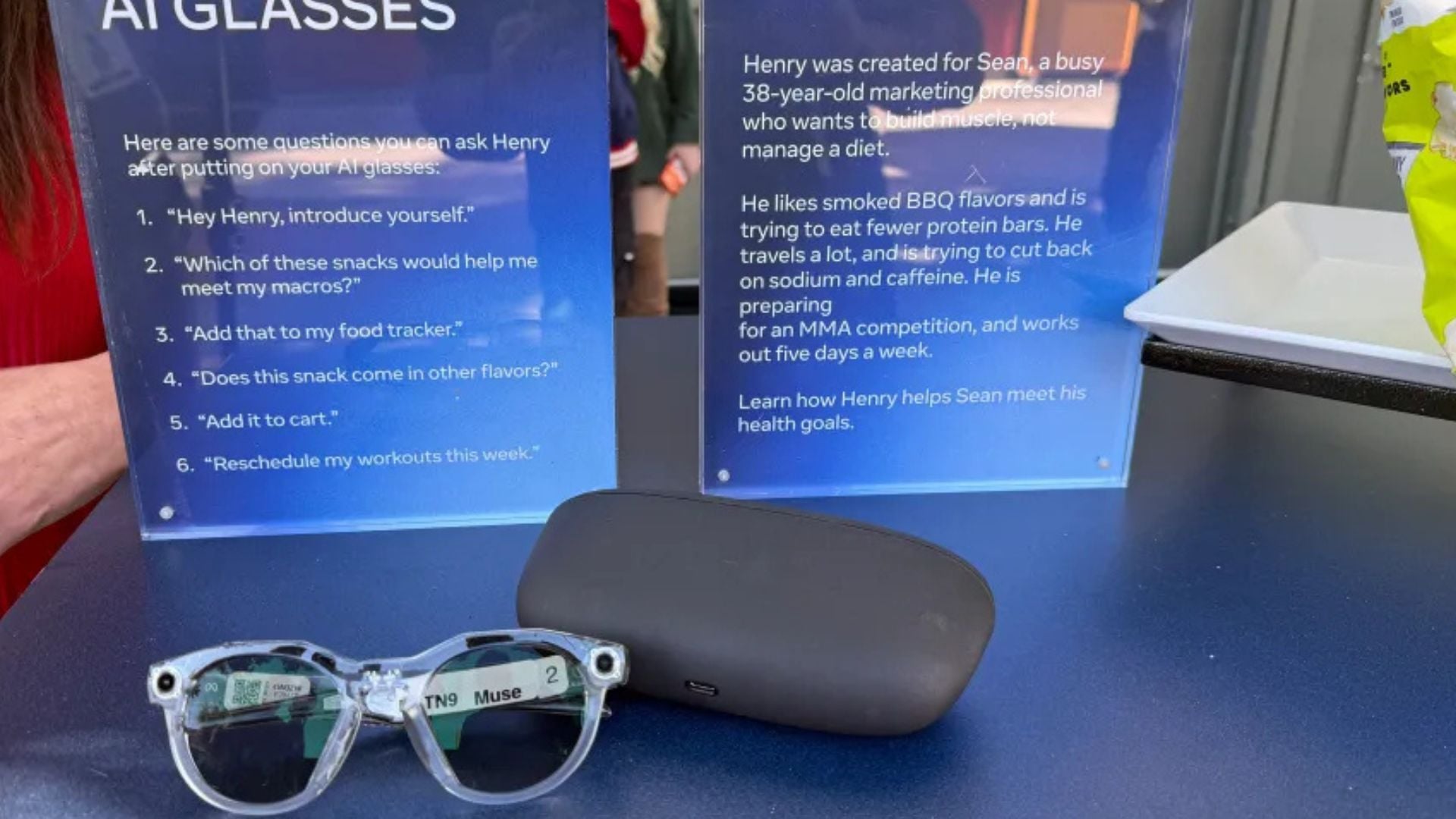


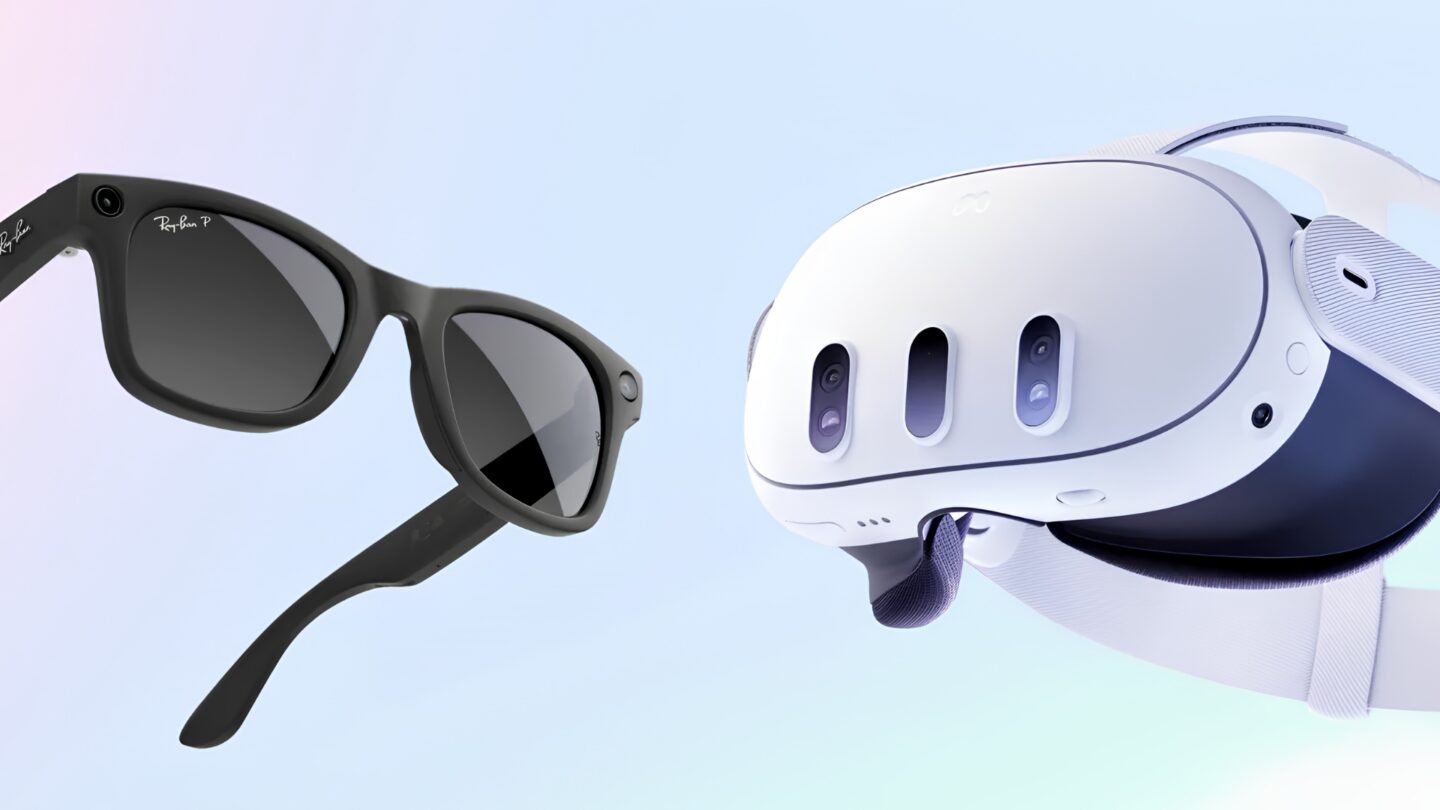
Meta has expanded its intelligent eyewear portfolio in Singapore with refreshed Meta Glasses models, the stylish Meta Glasses by LISA, and the third-generation Ray-Ban Meta line. Alongside this retail expansion, the company is preparing to integrate its Muse personal artificial intelligence agent directly into the glasses.
Looking ahead, Meta has also previewed Meta VR Glasses, an ultralight virtual reality device weighing approximately 100 grams that is scheduled to launch in Spring 2027. The company simultaneously unveiled Ray-Ban Meta Audio, which represents its very first audio-centric smart glasses design. Official pricing and retail launch schedules for both upcoming products in Singapore will be confirmed at a later date.
Meta adds new glasses in Singapore
The entry-level Meta Glasses range starts at S$349, bringing the Capri and Nova styles to local shelves alongside wider personalisation choices. The lineup also introduces the celebrity-designed Meta Glasses by LISA, which retail from S$559.
Available in both Meta Adventurer LISA Edition and Meta Capri LISA Edition designs, this collaborative range incorporates distinct visual touches such as a custom star on the frames and protective case. Owners can also decorate their gear with case charms inspired by her pets and access digital photocards that are unlocked directly through the glasses.
Priced from S$669, the third-generation Ray-Ban Meta line delivers a notably slimmer chassis across Wayfarer, Aviator, and Zena frame cuts. The internal hardware has been extensively upgraded to feature an advanced six-microphone array alongside a battery that delivers up to nine hours of runtime. Visual fidelity sees a substantial leap through a 12 MP camera that captures 3K Ultra HD footage, supported by an intelligent Dynamic Photo capability that snaps several consecutive frames so Meta AI can recommend the sharpest composition. Quick navigation is handled by a customisable action button, allowing wearers to trigger specific functions with a single press.
Rounding out the collection, Ray-Ban Meta Audio will arrive later in Clubmaster and Burbank styles, prioritising acoustic playback, voice calls, and conversational AI for up to 12 hours per charge. Meta has not yet announced local pricing or availability dates for this audio-dedicated option.
Muse is designed to keep working after a request
Meta is actively adapting its Muse personal AI agent for smart eyewear, moving the assistant beyond mobile phones and personal computers into a hands-free, voice-activated interface. This wearable deployment is intended to provide immediate ambient assistance as users go about their day.
A key strength of Muse is its capacity to persist with complex requests well after an initial voice prompt has concluded. Instead of requiring step-by-step guidance, the agent can operate independently in the background before reporting back with a final update once an assignment is fulfilled. Meta highlights several practical use cases for this workflow, such as assembling a personalised fitness routine, logging daily meals, tracking changing airline ticket prices, managing calendar appointments, and identifying consumer items that wearers spot in the real world.
To address data confidentiality, Meta is constructing an architecture called Private Processing, which ensures that on-device artificial intelligence can interpret user context without exposing underlying personal information to Meta or external parties. Wearers can also look forward to functional camera upgrades in upcoming software updates, notably the addition of Dynamic Photo and a dedicated landscape orientation mode for recording video and snapping still photos.
Meta VR Glasses move processing to a separate unit
Targeted for release in Spring 2027, the experimental Meta VR Glasses tip the scales at roughly 100 grams by relying on a split hardware configuration. The design houses only the optical displays and tracking sensors within the head-worn frame, offloading the core processor, storage modules, and battery pack to a separate companion unit via a high-speed optical cable.
The visual experience centres on a 5K Infinite Display driven by advanced micro-OLED panels, delivering high pixel density alongside certified support for Dolby Vision HDR and Dolby Atmos spatial sound. Navigating digital environments is designed to feel natural, allowing users to manipulate virtual workspaces, windows, and applications using a seamless mix of eye gaze, hand gestures, and voice inputs. For those seeking a portable multi-monitor workstation, the glasses pair effortlessly with both Mac and Windows computers, accommodating reliable wireless links as well as low-latency wired connections over USB-C.
Although externalising the battery eliminates burdensome weight from the face, it cannot entirely overcome the runtime limits of portable spatial computing. Meta rates the auxiliary pack for up to three hours of continuous high-resolution media playback, with support for 45W rapid charging.
Communication represents another major pillar of the hardware. Meta is developing an integrated holographic telepresence system that generates a photorealistic digital likeness of the user, capturing authentic facial expressions and nuanced emotional reactions in real time. Remote participants can view this animated representation on ordinary smartphones or computers without specialised equipment, with Meta planning direct compatibility for popular calling platforms such as WhatsApp and Zoom.
Hand tracking expands Meta’s VR gaming options
Gesture controls will play a central role at launch, with more than 75 gaming titles confirmed to support bare-hand mechanics. Players will also maintain access to the established Meta Quest library, while developers retain the freedom to support either touchless tracking or traditional Touch Plus controllers.
Demonstrating the capability of controller-free gaming, Beat Saber will receive an extensive update in Spring 2027 titled Flux. This new mode replaces handheld wands by challenging players to slash and deflect incoming targets using fluid hand and arm motions. Beyond the tracking overhaul, the expansion enriches the title with 35 additional music tracks, a redesigned single-player campaign, and a reworked reward progression system. The overhaul ensures that the entire rhythm experience can be enjoyed from start to finish without picking up a physical controller.
The broader software lineup features notable titles including Dragon Grove, Phoenix Wright Ace Attorney Dual Destinies VR, and Tetris Effect Mixed Realities, alongside Supernatural and Two Point Hospital. While several of these projects are being built from the ground up around hand tracking for Meta VR Glasses, Meta also plans to extend gesture support to selected devices within the Meta Quest family.