

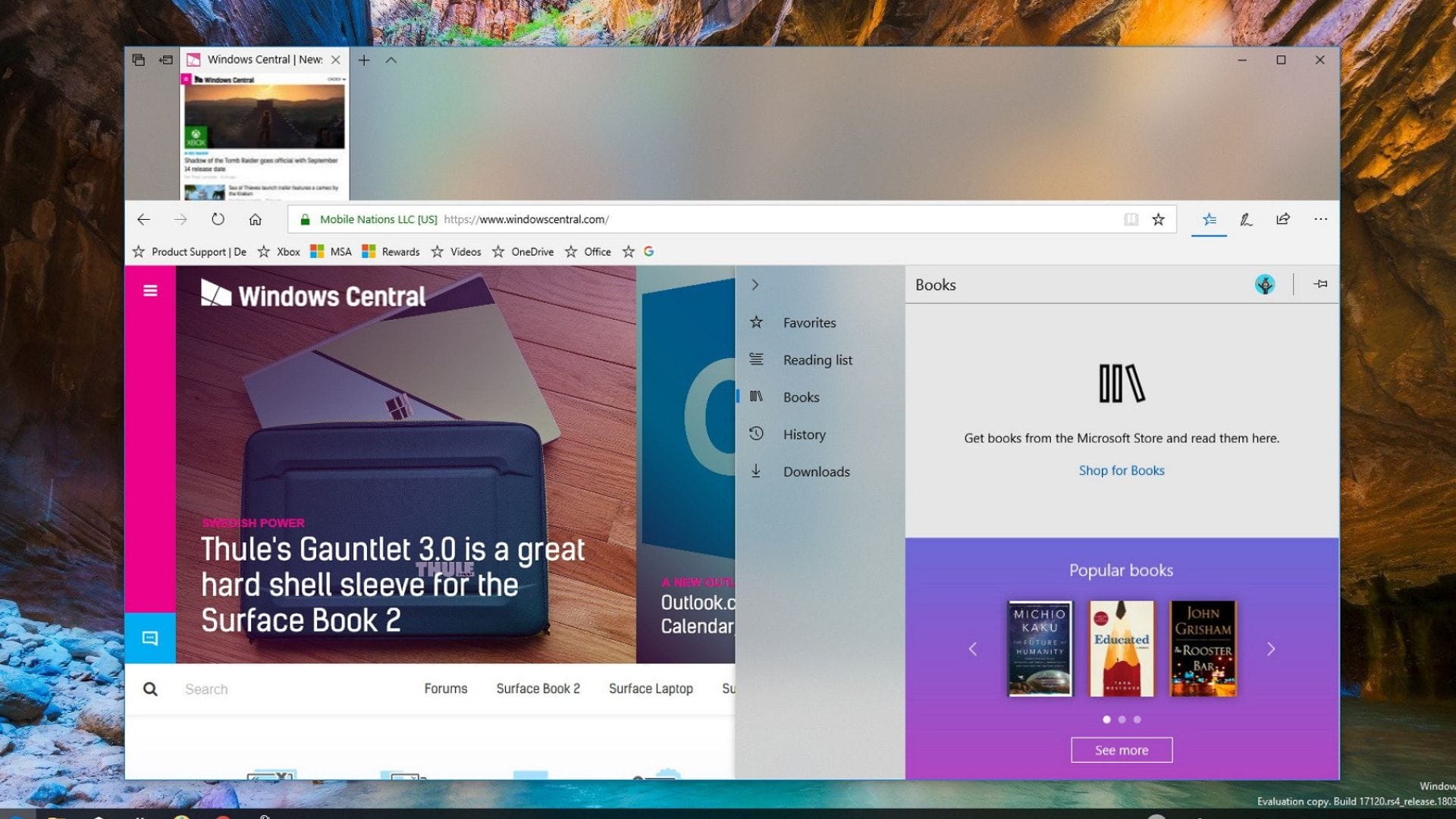
Microsoft is beginning a major change to the way browser extensions work in Edge, following a similar move by Google Chrome. The company is transitioning the browser to Manifest Version 3 (MV3), a newer extension platform designed to improve security, privacy and performance.
The change will gradually end support for older Manifest Version 2 (MV2) extensions. While most Edge users are unlikely to notice a major difference, those who still rely on older ad blockers and privacy tools could eventually find that their favourite extensions no longer work.
Microsoft begins the transition to Manifest V3
Manifest V3 is the latest version of the extension framework used by Chromium-based browsers such as Microsoft Edge and Google Chrome. Microsoft says the newer system provides a more secure structure by limiting background activity, tightening permissions and reducing the potential attack surface for malicious extensions. It is also intended to make extensions more efficient and reduce their impact on browser performance.
Microsoft announced that the move to MV3 will take place gradually rather than through an immediate shutdown of older extensions. Starting in August, remaining MV2 extensions will be disabled by default in the Canary, Dev, and Beta versions of Edge. The change will then expand to the Stable version of the browser over the coming months.
Microsoft expects the transition on consumer devices to be completed by the end of 2026. Enterprise-managed devices will receive extended support, with MV2 extensions expected to remain available until early 2027. The company says only 58 MV2 extensions on the Edge Add-ons Store still have meaningful usage, and all but three already have alternatives based on Manifest V3.
The relatively small number of remaining MV2 extensions means Microsoft expects the impact on most users to be limited. However, some extensions still used by Edge customers offer features that are difficult to replicate under the restrictions introduced by MV3.
Ad blockers face the biggest impact
One of the main concerns surrounding Manifest V3 is its effect on ad blockers and privacy-focused extensions. The new framework changes how extensions can interact with network requests, replacing the more flexible WebRequest API with the more restricted Declarative Net Request API.
That change limits how certain extensions can inspect and modify web traffic. As a result, older extensions such as the original uBlock Origin cannot simply continue operating under the new system without significant changes. Users who depend on these extensions will therefore need to move to versions designed specifically for Manifest V3.
Several developers have already released compatible alternatives. uBlock Origin Lite, AdGuard and Ghostery are among the extensions that support the newer framework. However, MV3 compatibility does not necessarily mean that every alternative will offer the same features or level of control as its older counterpart.
The debate surrounding Manifest V3 has continued since Google began moving Chrome towards the framework. Supporters argue that the restrictions make extensions safer and more efficient, while critics say the changes reduce the capabilities of advanced ad blockers and privacy tools. The disagreement is particularly strong among users who want detailed control over which web content and network requests are allowed.
What Edge users should expect
For most people using Microsoft Edge, the transition should happen with little disruption. Users who rely mainly on popular extensions that have already been updated for Manifest V3 may receive an updated version through the Edge Add-ons Store without needing to take further action.
The situation will be different for anyone using an extension that remains dependent on MV2. As support is gradually removed, those extensions may be disabled automatically, leaving users without their usual functionality. People who rely on older ad blockers, privacy extensions or other specialised tools should therefore check whether their preferred extensions have MV3-compatible replacements.
Microsoft’s decision also brings Edge more closely into line with the wider Chromium ecosystem. Since Edge is built on Chromium, maintaining a different long-term extension architecture would have become increasingly difficult as other Chromium-based browsers moved away from MV2.
The browser will continue to support ad-blocking and privacy extensions, so the change does not mean these capabilities are disappearing from Edge. Instead, it marks the end of an older extension system and could change what some advanced tools can do. For users who depend on specific MV2 extensions, finding a suitable replacement before the transition reaches the Stable version could help avoid unexpected disruption.