

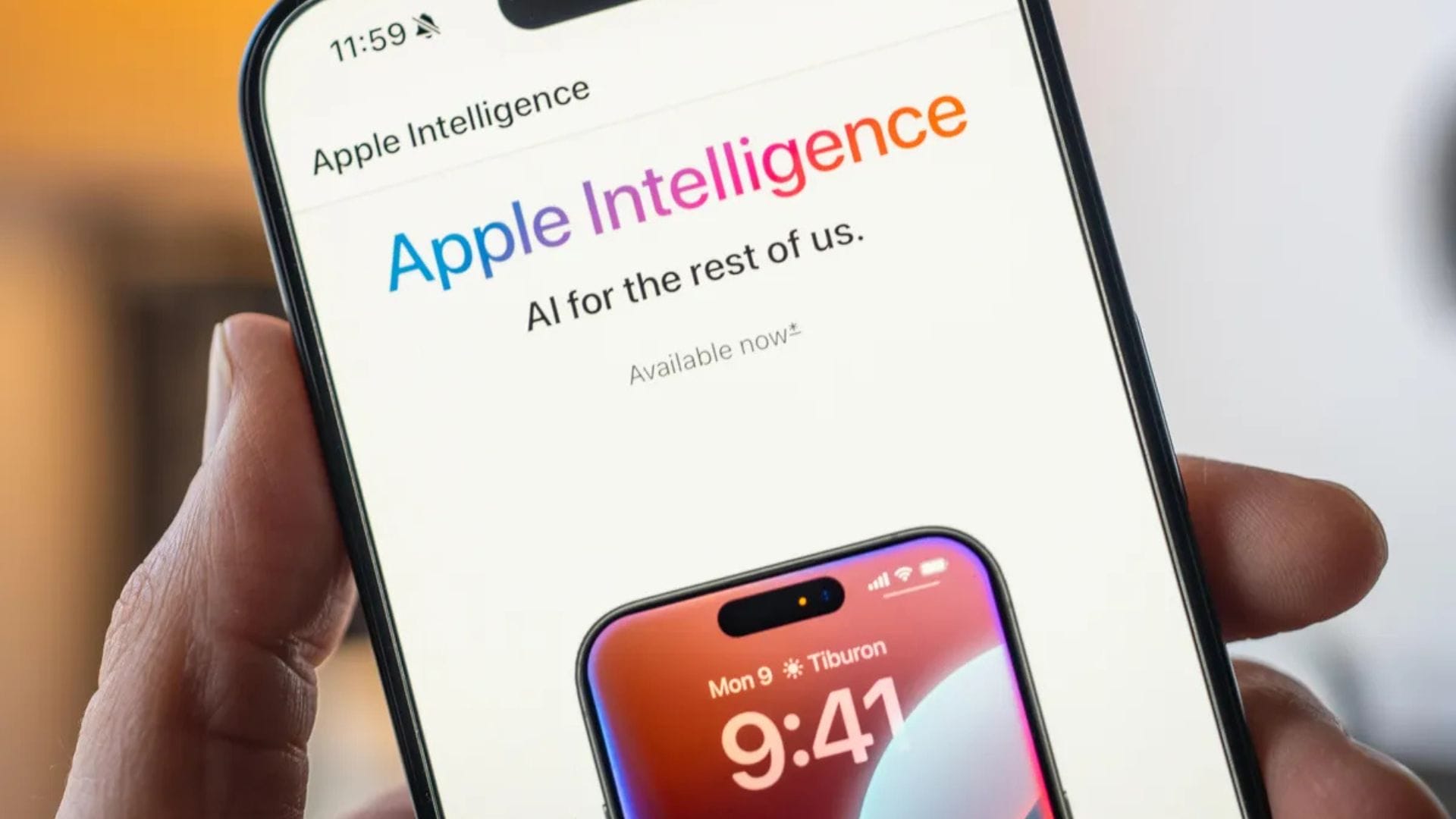
Apple is preparing to introduce a significantly upgraded version of Siri later this year, marking one of the biggest improvements to its virtual assistant in recent years. The enhanced assistant was unveiled at Apple’s Worldwide Developers Conference (WWDC) 2026, where Apple demonstrated new artificial intelligence capabilities designed to make Siri more useful for everyday tasks and complex requests.
The update follows years of criticism that Siri had fallen behind competing AI assistants despite Apple’s broader investment in Apple Intelligence. After earlier delays, the company has now confirmed that the new Siri will arrive with iOS 27, though it will initially be released as a beta. Users who wish to try the new assistant may need to opt in before gaining access.
Apple limits Siri AI to Apple Intelligence-compatible devices
The upgraded Siri will only be available on devices that support Apple Intelligence. For iPhone users, this includes every model released since the iPhone 15 Pro. Supported devices will receive the AI-powered assistant when Apple launches the stable version of iOS 27 later this autumn.
Owners can check whether their device is eligible by opening the Settings app and looking for the “Apple Intelligence & Siri” section. If the option appears, the device is expected to support the upcoming Siri AI features once the software update becomes available. In addition to compatible iPhones, the new assistant will also be available on iPads and Macs powered by Apple silicon, including the 2024 iPad mini, which shares the same processor as the iPhone 15 Pro.
Although Siri AI will only work on newer hardware, Apple is continuing to support iOS 27 on older smartphones. Devices as far back as the iPhone 11 can install the latest operating system, even if they cannot access Apple Intelligence features. This approach allows more users to benefit from software improvements while reserving advanced AI functions for hardware capable of handling the increased processing demands.
Apple has also indicated that Siri AI will launch first as a beta feature. This means users may have to enrol manually to gain access, similar to the process used during iOS 27 developer beta testing. The staged rollout is expected to help Apple refine the assistant before making it available to a wider audience.
New AI features aim to make Siri more useful
The latest version of Siri has been designed to understand context better and handle more advanced requests than previous versions. Rather than responding to isolated commands, the assistant can interpret follow-up questions and complete tasks that involve multiple steps.
Apple says Siri can now reference personal information stored on a user’s device, including notes, messages, emails and photos, allowing it to answer questions based on individual content. The company has built these capabilities using updated Apple Foundation Models that operate directly on supported devices, improving response speed while keeping much of the processing local.
For more demanding requests, Siri will rely on Apple’s Private Cloud Compute system. According to the company, larger AI models hosted in the cloud will process complex tasks while maintaining strong privacy protections. Apple says this system ensures that personal data remains inaccessible to anyone other than the user.
The combination of on-device processing and cloud computing is intended to deliver more natural conversations while balancing performance and privacy. Apple has positioned this hybrid approach as a key difference between its AI platform and cloud-only alternatives.
Premium iPhones will unlock even more advanced AI capabilities
Apple has confirmed that its newest premium smartphones will receive additional Siri enhancements beyond the standard AI upgrade. The iPhone 17 Pro, iPhone 17 Pro Max, and iPhone Air will feature access to a more powerful on-device AI model capable of delivering faster, more advanced processing.
These devices are expected to benefit from more expressive Siri voices, improved speech recognition and greater dictation accuracy. The upgraded local model is designed to handle more AI tasks directly on the device, reducing reliance on cloud processing while improving responsiveness.
Looking further ahead, Apple is also expected to extend these enhanced capabilities to future premium devices, including the forthcoming iPhone 18 Pro and the widely rumoured iPhone Fold. However, it remains unclear whether the standard iPhone 18 will include sufficient hardware to support Apple’s most advanced AI models.
Industry analyst Ming-Chi Kuo has previously reported that Apple is considering increasing memory in future non-Pro iPhones to 9GB. However, Apple has indicated that its most powerful on-device AI models require at least 12GB of RAM, suggesting that the highest level of Siri performance may remain exclusive to premium models for the foreseeable future.
iOS 27 will bring tighter system-level integration with Apple Intelligence. My latest industry checks suggest Apple's lower-end 1H27 iPhones, powered by the A20 chip, will move to 9GB DRAM (1.5GB × 6 dies), up from 8GB (2GB × 4 dies) in the current A19 models, to keep the system…
— 郭明錤|Ming-Chi Kuo (@mingchikuo) June 26, 2026
Early demonstrations of Siri AI indicate that the assistant has become noticeably faster and more capable than previous versions. Its improved ability to understand context, complete chained commands and access personal information could represent a meaningful step forward for Apple Intelligence after a slower-than-expected rollout of AI features.