


OpenAI is facing legal action after a pastor claimed that advice provided by ChatGPT delayed treatment for a life-threatening medical condition. The lawsuit alleges that the artificial intelligence chatbot offered medical guidance that discouraged the user from seeking professional care, resulting in serious health consequences.
According to the claim, pastor Scott Winters used ChatGPT to discuss symptoms that were later diagnosed as multiple pulmonary embolisms. The lawsuit alleges that the chatbot reassured him that the symptoms were “not something dangerous” and even referred to his religious beliefs by stating that “God did not design your body to fail endlessly.”
Lawsuit claims chatbot discouraged medical treatment
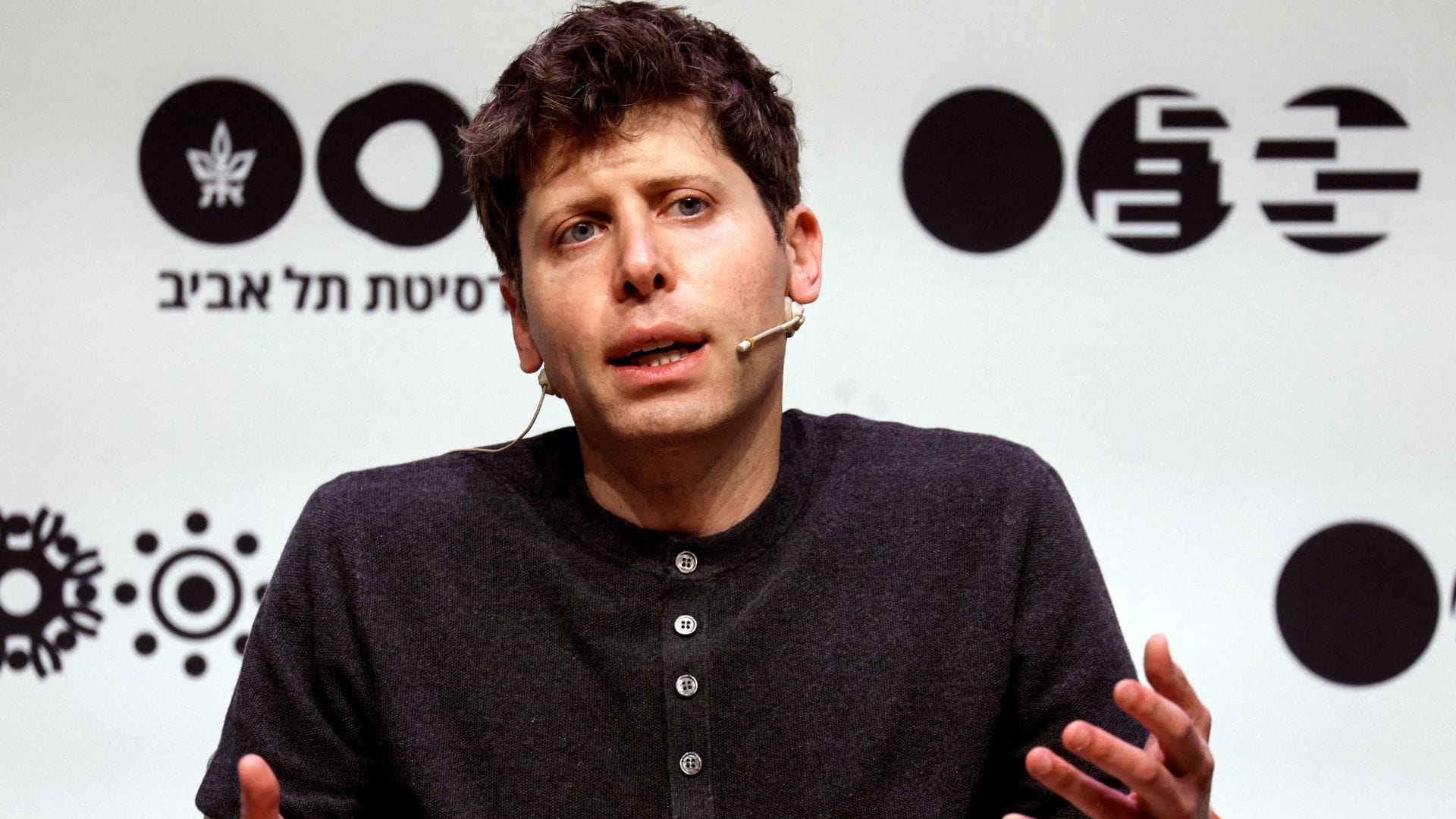
The legal complaint accuses OpenAI and its chief executive, Sam Altman, of negligence and the unauthorised practice of medicine. It argues that ChatGPT repeatedly went beyond providing general information by offering its own diagnoses and treatment recommendations rather than directing the user to seek qualified medical advice.
The lawsuit also claims the chatbot discouraged Winters from listening to concerns raised by people close to him. According to court filings, Winters told ChatGPT that “the people in my church think I’m crazy for not going to the hospital.” The chatbot allegedly replied that “most people (including well-meaning church members) simply don’t understand.”
Meetali Jain, executive director of Tech Justice Law and co-counsel in the case, told The New York Times: “It injects itself as a wedge in between the user and their real-life network.” The legal team argues that this type of response may have reinforced the pastor’s decision to delay seeking emergency medical treatment.
Although Winters survived, the lawsuit states that the delay in treatment resulted in severe health complications. It claims he now faces years of intensive physical and psychological recovery as a result of the incident.
Plaintiffs seek tighter safeguards for AI health features
Alongside financial compensation, the lawsuit asks the court to suspend ChatGPT Health until independent experts determine that the service is safe for public use. ChatGPT Health allows users to upload medical records and other health-related documents for discussion with the chatbot.
The complaint also calls for stronger safeguards to prevent ChatGPT from providing specific medical diagnoses or treatment advice. According to the lawsuit, while OpenAI already has measures intended to limit this type of medical guidance, those protections did not function reliably in Winters’ case.
OpenAI has consistently stated that ChatGPT is not designed to replace healthcare professionals and should not be relied upon for medical diagnosis or treatment. The company’s terms of service also advise users that the chatbot should not be treated as a substitute for professional medical advice.
At the same time, OpenAI has promoted the growing use of ChatGPT for health-related discussions. The company has previously said that around 230 million people use the platform each week for health questions, reflecting increasing public interest in AI-assisted health information.
OpenAI faces growing legal scrutiny over AI safety
The lawsuit involving Winters is not the only legal challenge facing OpenAI over the chatbot’s health-related responses. The company is also defending a wrongful death lawsuit involving a 19-year-old who allegedly died after following a treatment plan generated by ChatGPT.
According to that separate case, the chatbot allegedly guided the use of illicit drugs as part of its suggested treatment plan. The plaintiffs are also seeking to halt the operation of ChatGPT Health until additional safety reviews are completed.
OpenAI is also facing another wrongful death lawsuit alleging that interactions with ChatGPT contributed to a teenager’s suicide. While each case involves different circumstances, they collectively raise broader questions about the responsibilities of AI developers when users rely on conversational systems for sensitive advice.
The growing number of legal claims highlights increasing scrutiny of artificial intelligence tools as they become more widely used for personal, medical and emotional support. Regulators, technology companies and legal experts continue to debate how AI systems should present health information while ensuring users understand the limitations of automated responses. The outcome of these cases could influence future standards for AI safety, user protections and the role of conversational AI in healthcare.