



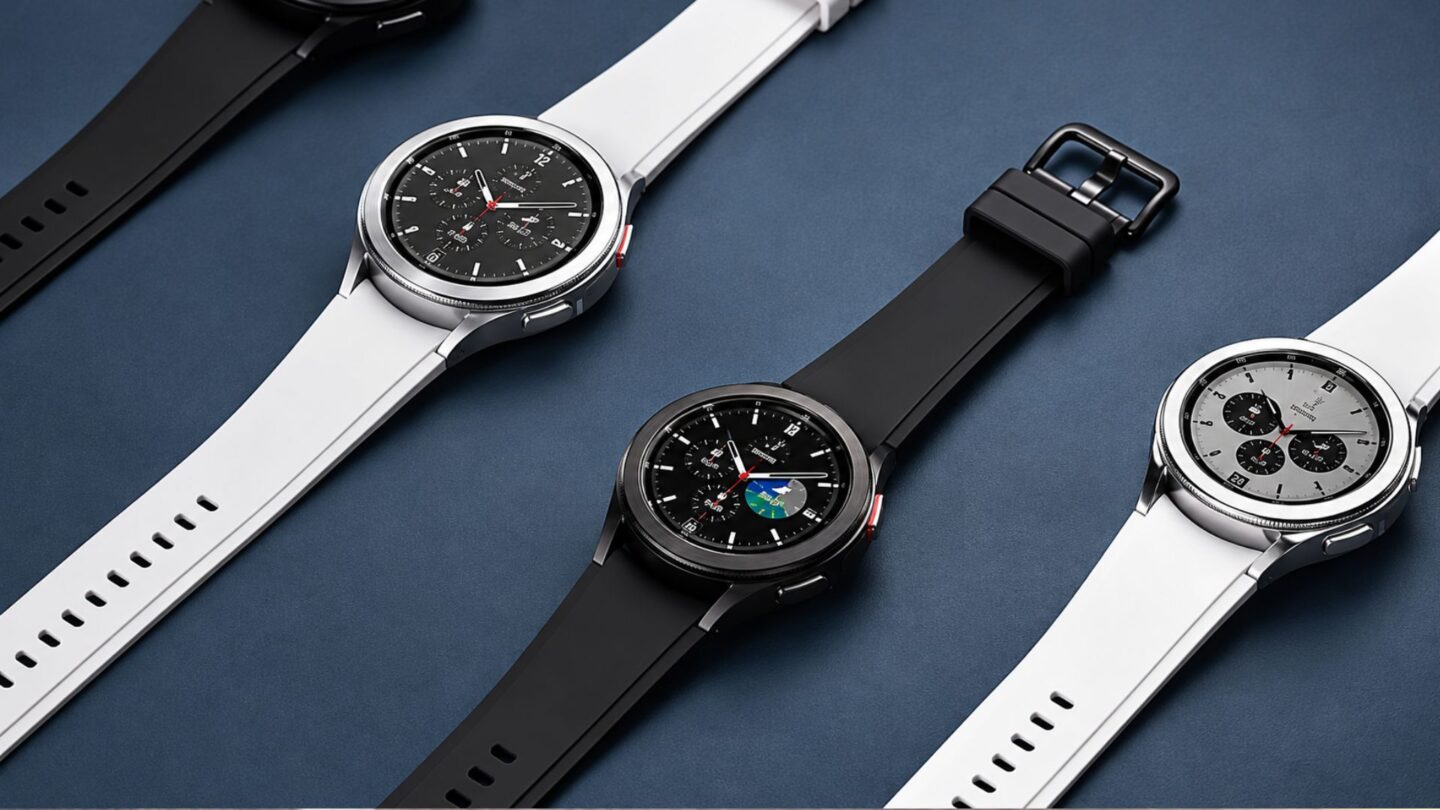
Samsung has confirmed that some of its older smartwatches will not receive the upcoming One UI 9 Watch update, ending software support for two devices that helped shape the company’s modern smartwatch range. The Galaxy Watch 4 and Galaxy Watch 4 Classic are among the products being left behind as Samsung continues to expand its software support for newer models.
The decision comes as the company rolls out its latest smartwatch operating system across its more recent devices. Released alongside the Galaxy Watch 9 and Galaxy Watch Ultra 2 in August, One UI 9 Watch introduces several interface improvements, health monitoring features and new artificial intelligence capabilities. However, Galaxy Watch 4 series owners will not be able to access these changes.
Although the affected watches should continue to function, the end of major software support raises questions about their long-term usefulness, particularly as applications and security requirements continue to evolve. Owners may now need to consider whether to keep using their existing devices or move to a newer model.
Galaxy Watch 4 series reaches the end of software support
The Samsung Galaxy Watch 4 and Galaxy Watch 4 Classic will not receive One UI 9 Watch. Both smartwatches launched in 2021 and have already completed their promised cycle of four major operating system upgrades. Their software history includes One UI Watch 4.5, One UI 5 Watch, One UI 6 Watch and One UI 8 Watch.
The decision also applies to special editions based on the same hardware. These include the Galaxy Watch 4 Golf Edition and the more expensive Galaxy Watch 4 Classic Thom Browne Edition. Despite their different designs and branding, these models remain part of the same generation and will not receive the latest operating system.
The Galaxy Watch 4 series holds an important place in Samsung’s smartwatch history. It marked the company’s transition away from its proprietary Tizen operating system towards Wear OS, Google’s smartwatch platform. Samsung developed its own customised interface for the platform, creating the foundation for the software experience found on its newer Galaxy Watch models.
Since then, the company has continued improving its smartwatch software through new features, interface changes and closer integration with its wider Galaxy ecosystem. However, the end of support for the 2021 generation means its owners will miss out on the next stage of these improvements.
Samsung has increased its software support commitment for the Galaxy Watch 9 and Galaxy Watch Ultra 2 to five major operating system upgrades. Earlier models, including the Galaxy Watch 5 and Galaxy Watch 5 Pro, follow a four-upgrade policy. This longer commitment gives recent buyers more access to major software improvements.
What One UI 9 Watch offers to newer Galaxy Watch models
While the Galaxy Watch 4 series will miss out, Samsung plans to bring One UI 9 Watch to the Galaxy Watch 5, Galaxy Watch 5 Pro and newer eligible devices by the end of 2026. The update is expected to introduce several improvements designed to make the smartwatch experience more useful for everyday activities, health monitoring and personal assistance.
One change is a refined visual interface that aims to make information easier to access and navigate. Samsung is also introducing a wrist-raising gesture that can activate an artificial intelligence assistant. This feature could make it easier for users to interact with their watches without navigating multiple menus or manually launching an app.
Health monitoring is another major focus of the update. One UI 9 Watch introduces Daily Cardio Load, a feature designed to help users understand the physical demands of daily activities and exercise. By providing additional insight into activity levels, the feature can help users monitor training intensity and understand how their bodies respond to physical demands.
The update also includes a Heart Health Score, offering another way to assess cardiovascular health through supported Samsung devices and services. These additions build on Samsung’s existing health and fitness tools, including sleep tracking, activity monitoring, and other wellness measurements.
The Galaxy Watch 9 also offers hardware improvements and additional health features, including sleep apnoea detection and skin temperature tracking. Combined with its longer software support commitment, these capabilities make it a more suitable option for buyers looking for a smartwatch that will remain supported for several years.
For users who prefer the physical rotating bezel found on the Galaxy Watch 4 Classic, the Galaxy Watch 8 Classic is another model worth considering. It retains the traditional navigation feature while offering newer hardware and access to Samsung’s latest smartwatch software.
Should Galaxy Watch 4 owners consider upgrading?
The end of major operating system updates does not mean the Galaxy Watch 4 and Galaxy Watch 4 Classic will immediately stop working. Existing features should remain available, and owners can continue using their watches for everyday activities such as checking notifications, monitoring exercise and tracking sleep.
However, the absence of future software updates introduces several potential limitations. Without continued support, the devices will no longer receive the latest operating system features and improvements. Depending on Samsung’s maintenance policy, owners may also miss out on future bug fixes and security updates.
Application compatibility is another consideration. As developers update apps to support newer operating systems, older devices may eventually face compatibility issues. This doesn’t necessarily mean applications will stop working immediately, but reduced support becomes more likely as devices age.
For those who rely heavily on their smartwatches for health tracking, notifications and connected services, upgrading to a newer Galaxy Watch may be a practical decision. The Galaxy Watch 9 offers longer software support, while the Galaxy Watch 8 Classic offers an alternative for users who value the traditional rotating bezel.
Owners who don’t need the latest features don’t necessarily have to replace their watches straight away. Several ways can extend the usefulness of an older Galaxy Watch, even after it reaches the end of its official software support period. You can repurpose it as a dedicated sleep tracker, use it as a smart home dashboard, or turn it into a convenient media remote.
Another option is to pass the device on to a family member who may still find its existing features useful. Selling, trading in or recycling the watch are also possibilities for those who prefer to move to newer hardware.
Although One UI 9 Watch brings several improvements, its absence on the Galaxy Watch 4 series is unlikely to make the devices unusable overnight. Nevertheless, the end of major software support gives owners a reason to assess their smartwatch needs and consider upgrading when the time is right.