



The Cyber Security Agency of Singapore (CSA) has advised organisations exposed to quantum-related cybersecurity risks to establish migration plans by 2027 and aim to complete their transition to quantum-safe cryptography by 2035. Under guidance issued in June 2026, Critical Information Infrastructure (CII) systems have an earlier completion milestone of 2031.
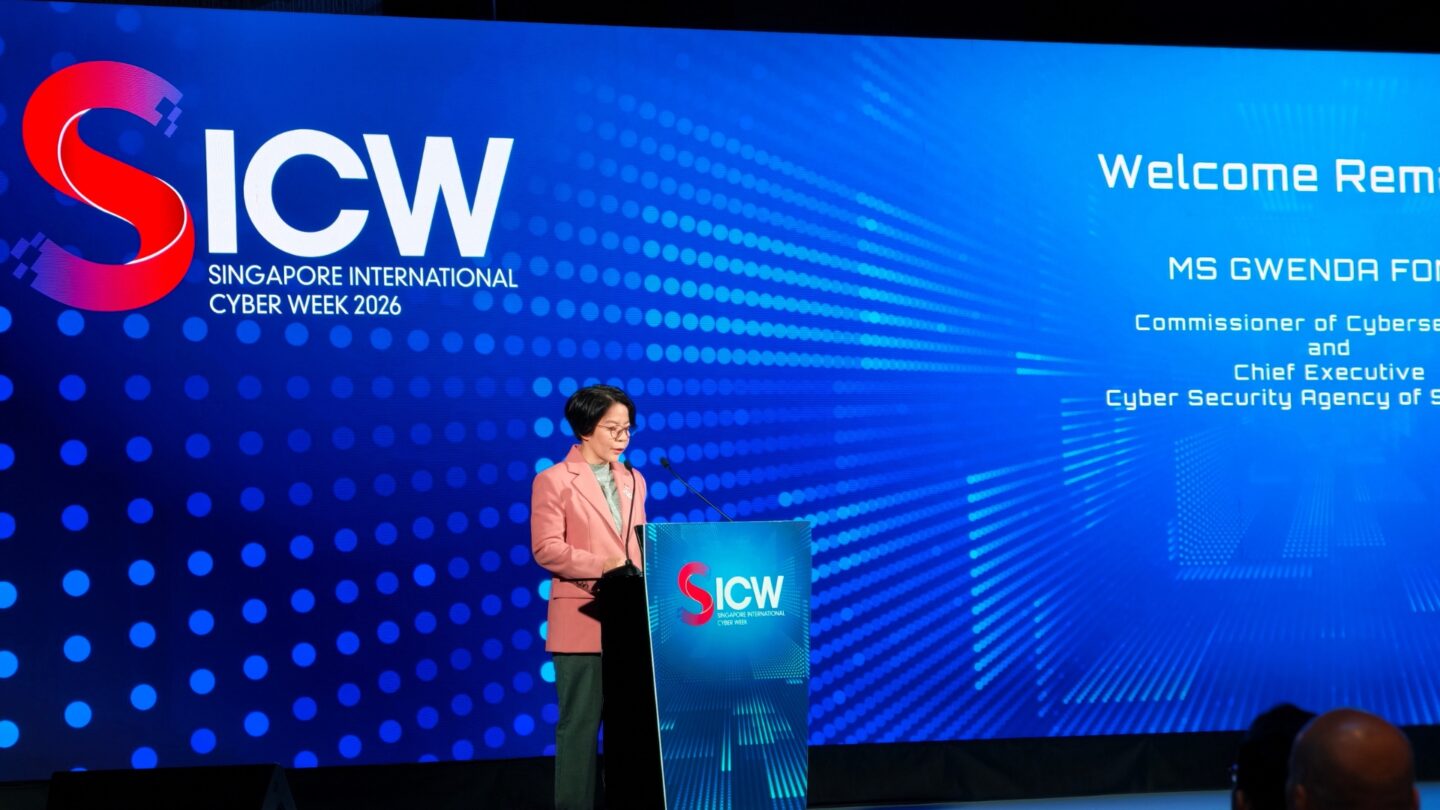
To support the transition, CSA has also introduced the Quantum-Safe Kickstarter Grant, which will fund pilot projects addressing migration challenges. Both the new advisory and the grant were announced by Mrs Josephine Teo, Minister for Digital Development and Information and Minister-in-charge of Cybersecurity and Smart Nation Group, at Singapore International Cyber Week 2026.
Preparing for changes to existing cryptography
Advances in quantum computing could eventually undermine cryptographic methods widely used to protect digital communications, transactions and sensitive information. Although it remains uncertain when quantum computers will become capable of breaking these methods, organisations need to prepare for the transition before such threats become imminent.
Moving to quantum-safe cryptography requires organisations to identify where existing cryptographic methods are used across their systems. These can be embedded in applications, networks and infrastructure, including interconnected systems involving multiple technology vendors. In addressing these environments, organisations must assess the risks, test suitable solutions and introduce changes without disrupting their operations.
That process can be particularly complex for critical infrastructure and legacy systems, where changes to underlying technologies require careful management. CSA has therefore adopted a risk-based approach that prioritises CII systems.
Guidance for organisations handling sensitive information
The new advisory extends quantum-safe migration guidance to other organisations facing potential risks from advances in quantum computing. These include organisations holding sensitive information that must remain confidential for many years, as well as providers of important services such as communications and digital transactions, where maintaining information integrity and confidentiality is essential. The 2035 migration target is in line with international guidance.
Ahead of migration, the advisory recommends that organisations begin with low-risk steps, starting with an assessment of their exposure to quantum-related cybersecurity risks. This includes identifying the systems most important to their operations and engaging technology vendors and partners to understand the quantum-safe solutions available.
To help organisations assess their preparedness and develop migration plans, CSA has also updated its Quantum Readiness Index and Quantum-Safe Handbook. Both resources incorporate feedback from a public consultation and the latest developments in quantum-safe cryptography standards.
Grant supports quantum-safe migration pilots
The Quantum-Safe Kickstarter Grant will provide time-bound seed funding from 1 November 2026 to 31 October 2027, with each funded pilot lasting up to six months. Intended to help organisations test quantum-safe solutions and address migration challenges, the programme is open to all organisations, although priority will be given to CII owners. Participants can conduct projects internally or work with suitable solution providers.
In reviewing proposals, CSA will prioritise projects addressing common migration challenges. These include end-to-end migration of an application or system, discovering and cataloguing existing cryptographic methods, and carrying out migration work involving Operational Technology (OT), legacy systems and infrastructure-heavy environments.
Applications are already open and will be assessed based on project eligibility, scope, alignment and strategic value. CSA also reserves the right to prioritise proposals that demonstrate significant impact on Singapore’s cybersecurity ecosystem. Organisations receiving funding will be required to submit a report documenting their learnings and the demonstrated impact of their pilots.