

The United States government has expanded restrictions on certain foreign-made technology by adding advanced robots and connected power inverters to the Federal Communications Commission’s (FCC) Covered List. The decision follows a national security review led by the White House, with officials citing cybersecurity risks and vulnerabilities in critical supply chains.
The latest move continues the US government’s broader effort to strengthen the security of communications and infrastructure technologies. Earlier this year, the FCC introduced similar restrictions affecting foreign-made routers and drones, and the inclusion of robots and power inverters marks another step in that ongoing policy.
New restrictions target critical technologies
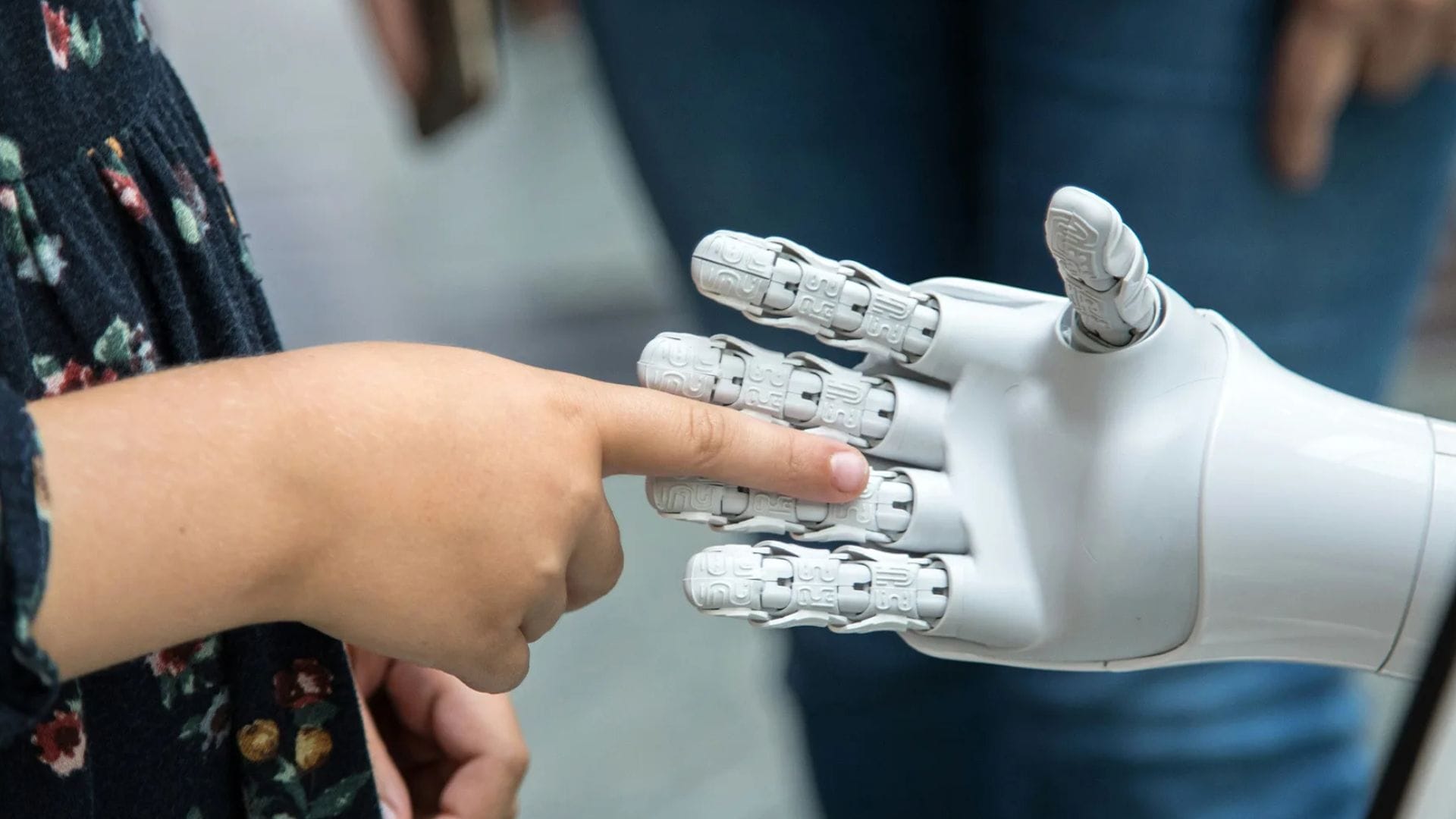
The FCC’s updated Covered List now includes advanced robots manufactured outside the United States, including mobile robots such as humanoid and quadruped machines. The restrictions also cover connected power inverters, which play an important role in electricity generation and distribution across the US power grid.
According to US authorities, both categories of products could pose risks to national security because they are connected devices that can transmit data or interact with critical infrastructure. Officials believe these products may create opportunities for cyberattacks or introduce weaknesses in supply chains that support essential services.
Under the new policy, affected products will no longer be eligible to receive FCC equipment authorisation if they are new models manufactured overseas. FCC equipment authorisation is required before many electronic devices can be imported, marketed or sold within the United States. Without that approval, manufacturers will be unable to introduce new products in the affected categories to the US market through the normal regulatory process.
The restrictions are not absolute in every case. Manufacturers may still seek approval if they receive “Conditional Approval” from either the Department of War or the Department of Homeland Security. If such approval is granted, the affected products may continue through the FCC’s equipment authorisation process.
Existing products remain unaffected
The FCC has confirmed that the latest restrictions will not affect products that have already received equipment authorisation. Consumers and businesses currently using covered robots or power inverters can continue operating them without any changes resulting from the new policy.
Retailers will also be permitted to continue selling existing authorised models approved for the US market. The new rules apply only to future product models seeking regulatory approval after the changes take effect, rather than devices that have already completed the certification process.
Federal government purchasing arrangements are also unaffected by the latest update. The FCC stated that the restrictions relate specifically to equipment authorisation for new commercial products and do not alter existing government procurement policies.
By limiting the scope of the rules to future product approvals, the Commission aims to strengthen oversight of emerging technologies while avoiding disruption for current users and businesses that rely on equipment already in service.
Part of a wider national security strategy
FCC Chairman Brendan Carr welcomed the decision, saying he supports the Commission’s efforts to work alongside national security agencies in protecting the country’s technology supply chain.
“I welcome the move and see it as the Commission staying in step with the national security agencies working to protect America’s supply chain,” Carr said.
The latest additions reflect a broader strategy by US authorities to increase scrutiny of connected technologies that could potentially affect critical infrastructure. As robots become more capable and increasingly connected through wireless networks, and as smart energy systems become more widespread, regulators are placing greater emphasis on ensuring these devices do not introduce security vulnerabilities.
Power inverters have become particularly important as renewable energy systems expand across the United States. They are widely used in solar energy installations and other distributed power systems, making them a key component of the national electricity network. Similarly, advanced robots are being deployed across industries, including manufacturing, logistics, healthcare, and security, thereby increasing their significance within the country’s technological ecosystem.
The FCC’s decision follows a series of similar actions taken throughout the year aimed at limiting perceived security risks associated with foreign-made technology. Previous measures targeting routers and drones demonstrated the Commission’s willingness to broaden the range of products subject to additional scrutiny. The inclusion of advanced robots and power inverters suggests the agency intends to continue reviewing technologies with potential implications for national security and critical infrastructure protection.