


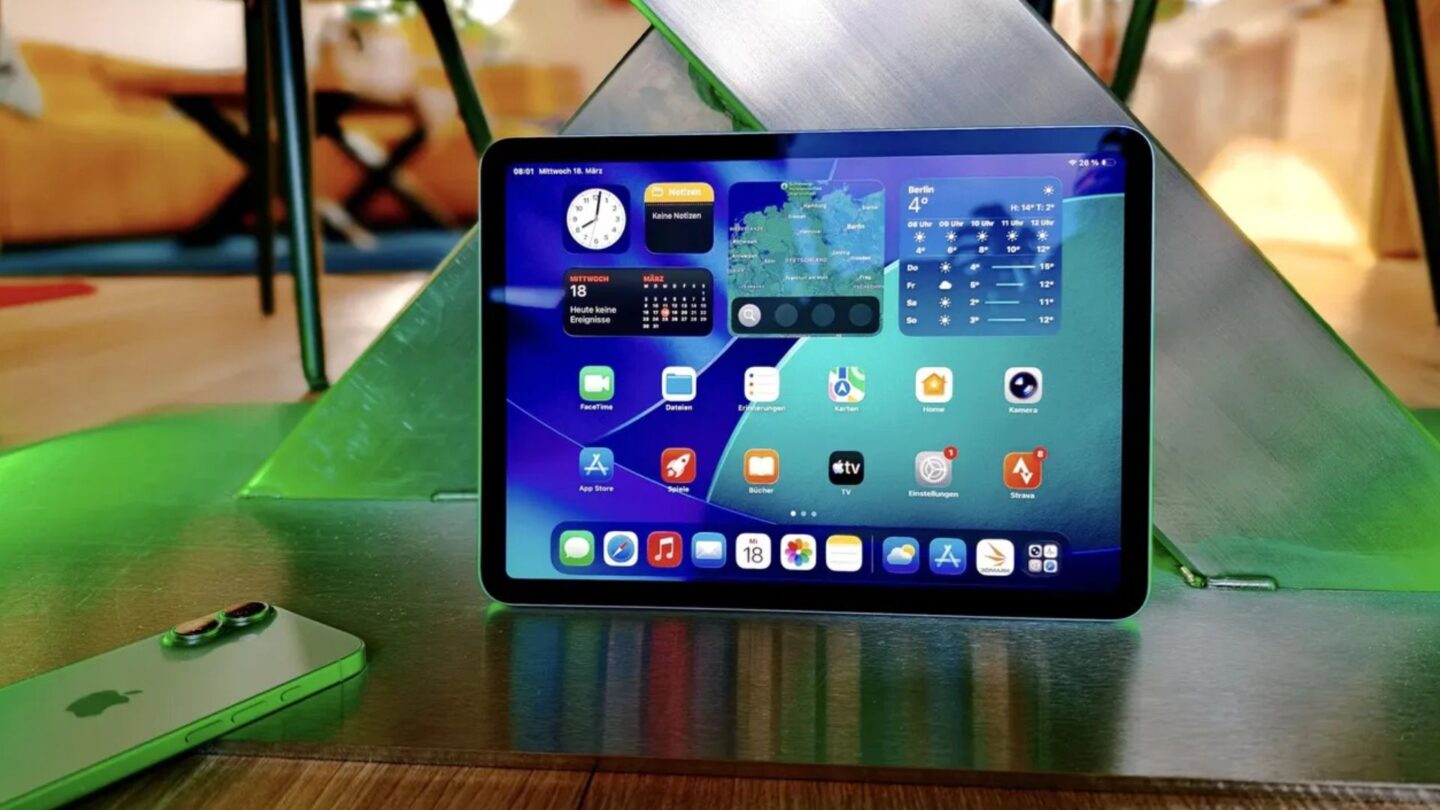
Apple has reportedly tested versions of macOS running on iPad hardware internally, raising questions about whether the company could eventually bring its desktop operating system to its tablets. However, despite the technical possibility, Apple currently has no plans to make macOS available to consumers on iPads.
According to Bloomberg journalist Mark Gurman, Apple has explored running macOS on iPads but has not started developing a version intended for public use. Speaking on his Power On podcast, Gurman said there is “no work being done to consumerise macOS on the iPad”. He also dismissed the possibility of Apple combining iPadOS and macOS into a single operating system.
The distinction reflects Apple’s continued approach to maintaining separate platforms for its tablets and computers. While both product lines share several hardware technologies and capabilities, the company appears more interested in improving iPadOS with features traditionally associated with desktop computers than replacing it with macOS.
The decision also suggests that Apple intends to preserve the iPad’s identity as a touch-focused device while gradually expanding its capabilities for professional users. Although this approach may not satisfy customers who want a full desktop experience on their tablets, it remains consistent with the company’s existing product strategy.
Apple continues to explore macOS capabilities on iPad hardware
Running macOS on an iPad is not entirely unrealistic. Apple’s iPad and Mac product lines share similar underlying silicon architecture, making it technically possible to run desktop software on tablet hardware. The company’s transition to Apple silicon has also brought the two platforms closer in processing capabilities and hardware design.
This shared foundation has fuelled speculation that Apple could eventually allow iPads to run the same operating system as Mac computers. A sufficiently powerful iPad could theoretically support many of the applications and workflows currently associated with macOS, particularly for users who rely on professional software.
However, technical compatibility does not necessarily mean Apple intends to introduce the feature. Gurman’s comments suggest that the company’s internal testing should not be interpreted as evidence of an upcoming consumer product. Apple may be exploring what its hardware can achieve without having any immediate plans to change its software strategy.
Instead of bringing the complete macOS experience to iPad users, Apple has focused on transferring selected Mac capabilities to iPadOS. This includes expanding support for professional applications and improving tools designed for creative and productivity-focused workflows.
Applications such as Final Cut Pro demonstrate this approach. The video editing software, which was originally associated with Apple’s Mac computers, is now available on compatible iPad models. Its arrival has given tablet users access to more advanced editing tools without requiring them to switch to a Mac.
Apple is expected to continue developing this approach by introducing additional professional features and applications to iPadOS over time. This allows the company to expand the tablet’s capabilities while maintaining a software experience designed around touch interaction.
Regulatory considerations could influence Apple’s decision
Beyond product design and software development, regulatory requirements may also influence Apple’s decision to maintain separate operating systems. Gurman pointed to European Union regulations as one factor that could make combining iPadOS and macOS less attractive.
Under the EU’s regulatory framework, compliance requirements can be assessed separately for different operating systems and digital platforms. Maintaining distinct software environments could therefore give Apple more flexibility when managing its regulatory responsibilities across its devices.
Combining the two platforms could introduce additional complications, particularly if a unified operating system changed how Apple was classified or assessed under European digital regulations. Although regulatory considerations may not be the only reason for the company’s decision, they could be part of its broader strategy.
Apple’s leadership has also publicly indicated that merging the two operating systems is not part of its current plans. Chief executive John Ternus recently reiterated the company’s position on an earnings call, saying Apple does not intend to combine iPadOS and macOS.
His comments follow earlier statements from software chief Craig Federighi, who has also expressed reservations about bringing macOS directly to the iPad. Federighi previously suggested that installing the desktop operating system on the tablet could undermine the qualities that make the iPad a distinct product.
The company’s position highlights how Apple approaches its two main computing platforms. Macs are designed primarily around keyboard, mouse and trackpad interactions, while iPads prioritise touchscreen controls and portable use. Although the devices increasingly support similar tasks, Apple appears keen to maintain these differences.
iPadOS is becoming more desktop-like without replacing macOS
Rather than introducing macOS to the iPad, Apple has been adding more desktop-style features directly to iPadOS. The strategy aims to help the tablet handle demanding work while preserving the interface and interaction methods associated with the device.
Recent software updates have focused on improving multitasking, window management and navigation. These changes are particularly relevant to users who rely on their iPads for work, education, creative projects and other activities that traditionally require a laptop or desktop computer.
More advanced windowing features have helped address one of iPadOS’s long-standing limitations. Users can manage multiple applications more effectively, making it easier to move between tasks and organise their workspace.
iPadOS 26 further expanded these capabilities with improved window management, a permanent menu bar, and Exposé-style controls. These additions bring aspects of the Mac experience to the tablet without requiring Apple to replace its existing operating system.
The improvements also reflect Apple’s attempt to balance professional functionality with the simplicity of touchscreen computing. While some users may prefer the flexibility of a traditional desktop environment, others value the convenience of an operating system designed specifically for tablets.
For professional users, the continued expansion of iPadOS could make the device a more practical alternative to a laptop for certain workflows. However, users who depend on specialised Mac applications, advanced desktop utilities or traditional file management may still find that an iPad cannot fully replace a Mac.
For now, Apple’s direction appears clear. The company is willing to bring more desktop-inspired tools and professional applications to its tablets. Still, it has no announced plans to release macOS for consumer iPads or merge the two operating systems.