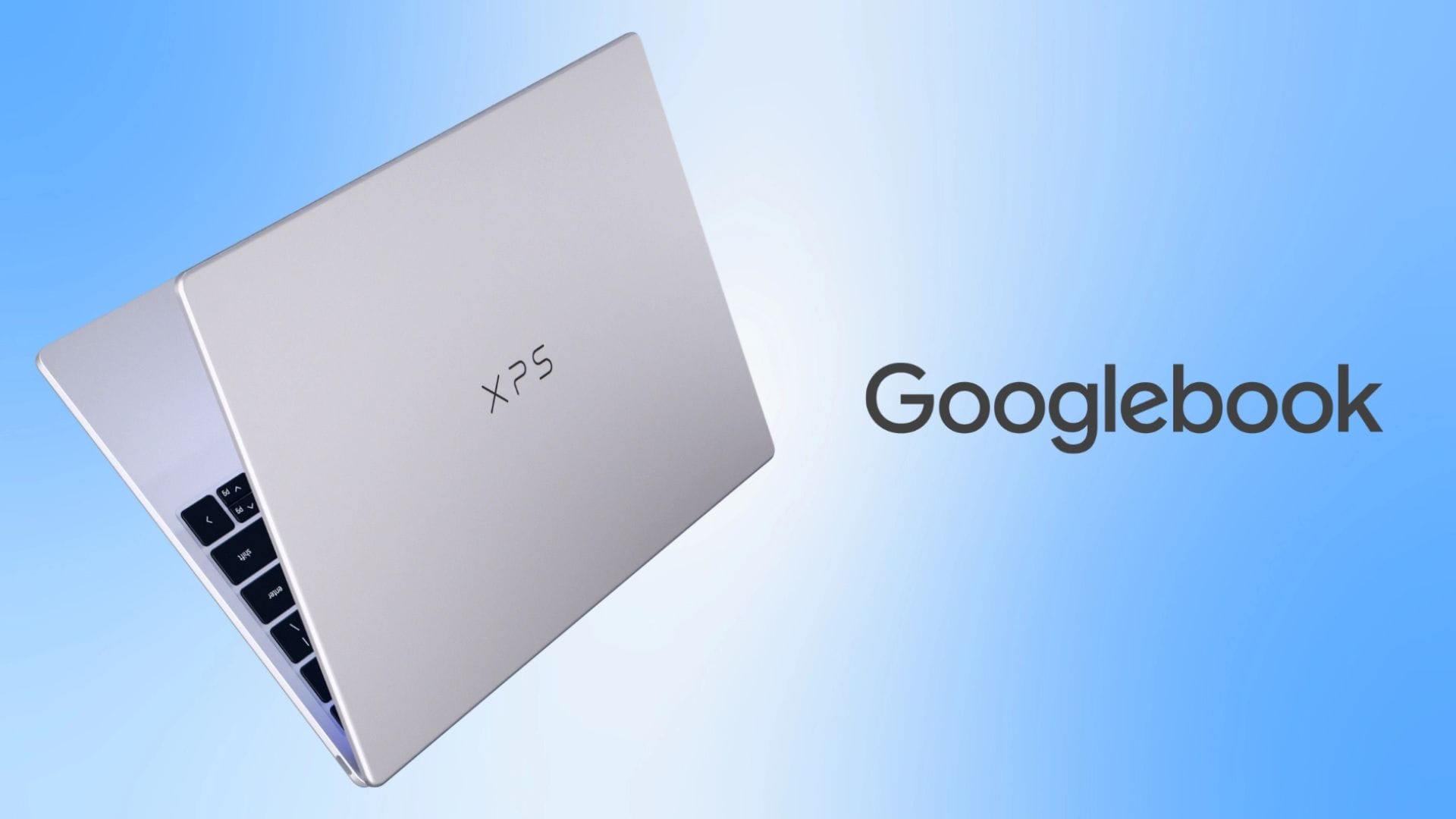
Dell could be preparing to bring its well-known XPS branding to Google’s upcoming Googlebook laptop platform, according to a new benchmark leak. The development would mark a significant change for the XPS range, which has traditionally been associated with Dell’s premium Windows laptops.
The leaked information suggests Dell could become one of several hardware partners supporting Google’s new laptop ecosystem, alongside companies such as Lenovo and Asus. While details remain unconfirmed, references found in Chromium development code appear to point towards a Dell-made device based on Qualcomm’s Snapdragon X platform.
Evidence points towards a Dell-made Googlebook
The latest leak reportedly began with an internal motherboard codenamed “Mica” appearing in Chromium’s development pipeline. The board was linked to Qualcomm’s “Bluey” architecture, which is reportedly designed for Snapdragon X-series devices intended for Google’s new laptop platform.
Researchers at GBookHub reportedly found additional clues while examining the code. Power management and battery health scripts found in the development files appear to resemble Dell’s proprietary firmware structure. That connection has led to speculation that the hardware is being developed by Dell rather than another manufacturer.
The suspected device is particularly interesting because its model number reportedly resembles Dell’s existing Windows-based XPS 13, known as the DX13260. That laptop uses a 13-inch metal chassis, making it a possible design reference for the new machine. If Google’s new platform is intended to compete in the premium laptop market, an XPS-branded system would also fit the positioning expected for the platform.
The discovery does not confirm that Dell will launch an XPS Googlebook, however. Companies often use internal hardware and software identifiers during development that can change before a product reaches consumers. Dell and Google have also yet to officially announce such a device.
Snapdragon X Elite could power the new laptop
Leaked specifications suggest the potential Dell machine could use Qualcomm’s Snapdragon X Elite processor rather than the newer Snapdragon X2 Elite platform. The system is reportedly being tested with either 16GB or 32GB of RAM, which should provide enough memory for demanding everyday workloads and multitasking.
The display could be another major selling point. Reports indicate that the laptop may feature a 13.4-inch OLED touchscreen with a resolution of 2,880 by 1,800 pixels. The device could also include Wi-Fi 7 connectivity and two USB-C ports, although these specifications remain unconfirmed.
Googlebook-specific hardware features could further distinguish the machine from Dell’s existing XPS models. One possibility is a lid-mounted Glow Bar designed around Google’s artificial intelligence features, along with dedicated biometric security hardware. These additions could indicate that Google intends its new laptop platform to offer a more integrated approach to AI and security.
Early Geekbench results have also reportedly appeared for the suspected hardware. The machine is said to have recorded a single-core score of about 2,200 and a multi-core result exceeding 9,500.
Those figures should be treated cautiously because the hardware and software are still in development. Pre-release firmware and operating systems may not be properly optimised, meaning benchmark results can change considerably before a commercial product launches. The final performance could therefore differ from the figures currently circulating.
An XPS Googlebook would represent a major shift for Dell
The most notable aspect of the leak may not be the processor or display, but the possibility that Dell will use its XPS branding for a Google-powered laptop. The XPS name has been closely tied to Dell’s Windows portfolio for years and has become one of the company’s best-known premium laptop lines.
Bringing the XPS name to Google’s ecosystem would therefore represent a departure from Dell’s established strategy. It could also signal that Google’s upcoming platform is being positioned as something more ambitious than a traditional budget-focused Chromebook alternative.
For Google, having a recognised premium brand such as XPS associated with the platform could help attract customers who might otherwise choose Windows laptops or Apple’s MacBook range. For Dell, the move could provide an opportunity to experiment with a different operating system while retaining one of its strongest hardware brands.
There is still considerable uncertainty surrounding the reported device, and the leaked information does not establish whether Dell will ultimately release it to consumers. Until the company or Google confirms the product, the specifications, branding and launch plans should be regarded as provisional.
If the reports prove accurate, however, an XPS laptop running Google’s new platform could become one of the more unexpected developments in Dell’s laptop strategy, particularly given the brand’s long-standing connection with Windows.