



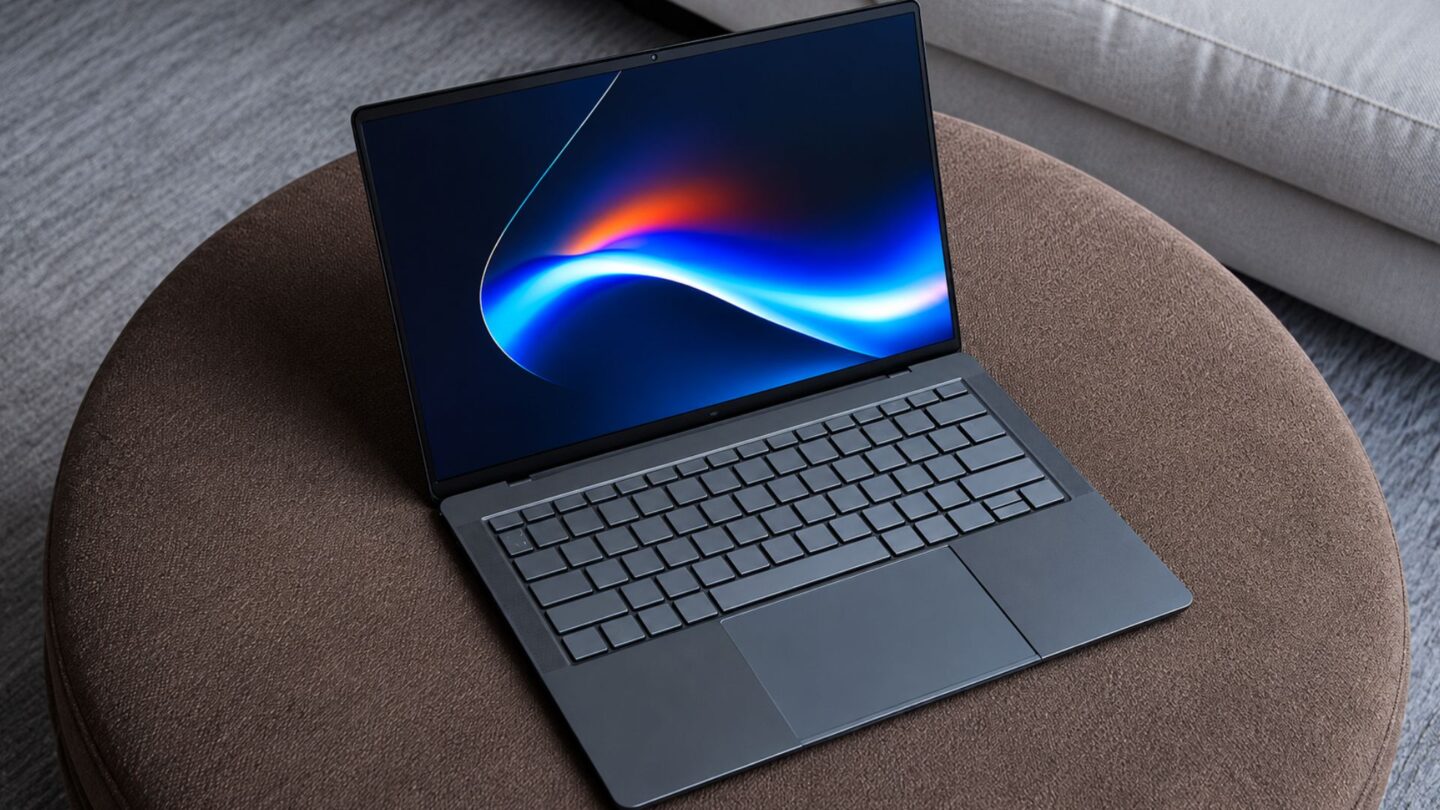
Google is preparing to expand its Googlebook range with detachable devices that combine a tablet’s flexibility with a laptop’s functionality. The move signals a broader shift in the company’s approach to portable computing, potentially bringing its desktop-focused operating system to a new category of devices.
Google announced the device at Android Dev Summit 2026, where it confirmed that detachable Googlebooks are part of its future product plans. The upcoming devices will take a different approach from the conventional laptops and convertible models currently available, letting users remove the keyboard and use the screen independently as a tablet.
Although Google has not provided a release date or revealed any hardware, the announcement has raised expectations for a new generation of hybrid devices. Previous reports have also suggested that Lenovo could be among the first manufacturers to introduce a detachable Googlebook.
Google expands its Googlebook range beyond traditional laptops
Google’s initial Googlebook lineup consists of five devices, most of which follow familiar laptop designs. Four models from Asus, Dell, HP and Lenovo use conventional laptop configurations, while the Acer Googlebook 14 offers a more flexible design with a 360-degree hinge. This lets the display fold back, giving users the option to switch between laptop and tablet modes.
However, convertible laptops and detachable devices offer different levels of flexibility. A convertible model lets the screen rotate behind the keyboard, but the keyboard remains physically attached to the device. A detachable design removes this limitation, allowing users to carry and operate the display separately.
This approach could make Googlebooks more appealing to people who want a single device for work, entertainment and everyday activities. Users could rely on the keyboard when writing documents, responding to emails or completing office tasks, then remove it when reading, watching videos or browsing the internet.
Lenovo could be preparing one of the first devices to demonstrate this concept. An earlier report from Android Headlines suggested that the manufacturer was developing a Googlebook tablet with a detachable keyboard and an integrated kickstand. The design reportedly resembles Microsoft’s Surface range, which helped establish the detachable computer category.
The reported device could also feature Google’s Glowbar positioned near the camera. However, the purpose and functionality of this feature remain unconfirmed. Details about the processor, memory, display, battery capacity and other hardware specifications also remain unknown.
Lenovo has not confirmed that it will be the first company to release a detachable Googlebook. Nevertheless, Google’s announcement at the developer summit provides stronger evidence that the company intends to support this type of hardware. The development could encourage other manufacturers to explore different designs as the platform expands.
Googlebook OS could reshape the future of Android tablets
The introduction of detachable Googlebooks could have wider implications for Google’s tablet strategy, particularly because Googlebook OS is built on Android. Rather than offering the traditional mobile experience found on most Android tablets, the operating system is designed to provide a more desktop-oriented environment.
This approach could help bridge the gap between mobile devices and conventional computers. A detachable Googlebook could function as a tablet for casual activities while providing a more familiar computer experience when connected to its keyboard.
For people who regularly switch between productivity and entertainment, this combination could be particularly useful. A single device could support document editing, multitasking and other work-related activities without sacrificing the convenience of a touchscreen tablet.
Googlebook OS could also give developers new opportunities to create applications that work across different screen sizes and device configurations. As detachable hardware becomes more common, software will need to adapt to both keyboard-based and touch-based interactions.
However, the current software still has limitations that could affect the experience. Although fullscreen applications can run in portrait orientation, several important interface elements remain restricted to landscape mode. These include the home screen, app drawer and Overview interface.
This restriction could become a problem for detachable devices because users are likely to operate them in portrait orientation when the keyboard is removed. A tablet designed for flexible use needs an interface that can adjust naturally to different screen positions and orientations.
Google will therefore need to improve the operating system before detachable Googlebooks can deliver a consistent tablet experience. Better support for portrait layouts, touchscreen navigation and application resizing could be important areas of development.
The software’s evolution also raises questions about the future of premium Android tablets. If Googlebook OS eventually provides a more capable desktop environment while retaining the convenience of Android, manufacturers and consumers may begin to reconsider the role of traditional Android tablets.
Detachable Googlebooks could narrow the gap between tablets and laptops
Google’s decision to introduce detachable devices suggests that it wants Googlebooks to become more than another category of laptops. By supporting different hardware configurations, the company could position the platform as a flexible computing option for people who want the benefits of both tablets and traditional computers.
The strategy could also help Google compete more directly in a market where detachable devices have already established a presence. Microsoft’s Surface products have demonstrated the appeal of combining a touchscreen display, removable keyboard and built-in stand in one portable package.
However, Google’s success will depend on more than the hardware design. The operating system must deliver a smooth experience whether users operate the device as a tablet or connect it to a keyboard. Application compatibility, interface consistency and multitasking capabilities will all influence how useful these products become.
Pricing will also play an important role. Detachable devices often need additional accessories, including keyboards and styluses, which can increase the overall cost. Google and its hardware partners will need to offer competitive pricing if they want to attract consumers who might otherwise choose a conventional laptop or Android tablet.
For now, Google has not confirmed when the first detachable Googlebook will arrive or which manufacturers will lead the launch. Lenovo remains a possible early entrant based on the reported leak, but further announcements are needed to confirm the company’s plans.
The confirmed expansion nevertheless represents an important development for Google’s computing platform. If the company can combine the flexibility of Android tablets with the productivity features of desktop operating systems, detachable Googlebooks could become a serious alternative to traditional laptops and premium tablets.


