

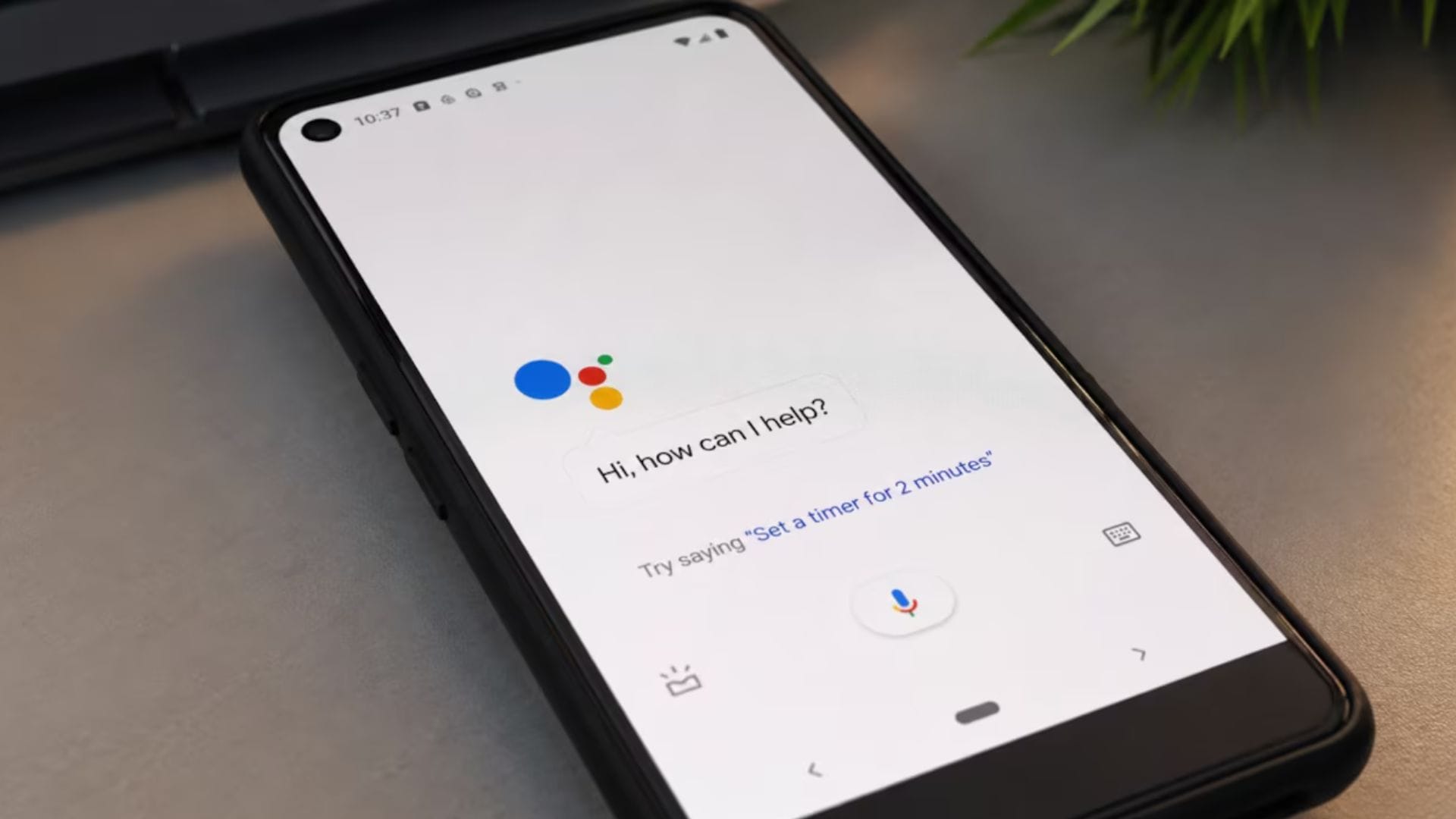
Google has confirmed the final stage of its transition from Google Assistant to Gemini, with the long-running voice assistant set to begin disappearing from eligible Android devices from 4 September. The company has informed users by email that the rollout will start on that date, although the change will not happen simultaneously for everyone. Instead, the migration will take place gradually over several weeks.
Once the transition reaches an eligible device, Google Assistant will no longer be available. Gemini will become the default digital assistant, and users will not have the option to switch back to the older service. The move marks another major step in Google’s wider strategy to replace its decade-old assistant with its newer artificial intelligence platform across supported products.
Eligible Android devices will be the first to switch
The first phase of the shutdown applies to eligible Android smartphones and tablets, as well as several connected accessories that rely on the phone’s digital assistant. These include Wear OS smartwatches, compatible headphones and earbuds, and vehicles that use Android Auto via a connected Android handset.
Google has also clarified an important distinction for drivers. Cars that use Android Auto through a paired smartphone will migrate to Gemini when the connected phone receives the update. However, vehicles that run Google’s software directly through Google built-in are not included in this first phase. Those vehicles will continue using Google Assistant beyond 4 September while Google prepares a separate migration schedule.
The same exemption applies to Google TV devices, smart speakers and smart displays. These products will continue to operate with Google Assistant for now, with the company saying that more information about their transition to Gemini will be shared at a later date. This means Google will temporarily support different assistant platforms across its product ecosystem while the broader rollout continues.
Some users will keep Google Assistant for now
Not every Android user will lose Google Assistant immediately. Google says that devices that do not meet Gemini’s minimum hardware or software requirements will continue to use the existing assistant. The same applies to regions where Gemini has not yet been launched.
This temporary exception means older phones and tablets, as well as unsupported markets, will continue to access Google Assistant until Google expands Gemini’s availability or changes its support policy. However, the company has not provided a timeline for when these remaining devices will eventually move to the new platform.
For supported devices, the migration requires no manual action. Once the rollout reaches a user’s phone or tablet, familiar shortcuts such as pressing the power button or using the standard voice activation command will launch Gemini instead of Google Assistant. The change will happen automatically as part of Google’s staged deployment.
Gradual rollout marks the end of an era
Rather than disabling Google Assistant worldwide on a single day, Google has opted for a phased rollout beginning on 4 September. This approach allows the company to introduce the change progressively while monitoring the migration across millions of Android devices. Users may therefore receive the update at different times during the weeks following the initial launch date.
The announcement follows Google’s earlier decision to delay the retirement of Google Assistant until 2026, extending its lifespan beyond the company’s original timetable. With the final rollout now confirmed, Gemini is set to become Google’s primary assistant experience across supported Android devices, reflecting the company’s growing focus on artificial intelligence-powered services.
For many users, the transition will replace existing voice shortcuts with Gemini without requiring any changes to settings or additional downloads. Others, particularly those using unsupported devices or living in regions where Gemini is unavailable, will continue using Google Assistant until Google expands the rollout. While the company’s long-term direction is now clear, some parts of its hardware ecosystem, including Google TV products and Google-built-in vehicles, will continue using the existing assistant until future updates are announced.