


Google has clarified how its new Android app verification system will work, easing some concerns about its plans to make sideloading more difficult. The company’s latest explanation indicates that the changes are not a blanket restriction affecting every Android device in participating countries.
The clarification came shortly before enforcement began and provides more detail about where Android Developer Verifier will apply. Rather than treating every Android installation the same, Google is initially focusing on participating app stores, distribution channels, and certified Android devices.
This distinction matters for users who install apps outside Google Play. While the new system adds steps for some unverified applications, it does not mean every APK installation will be blocked or delayed immediately.
Google limits initial enforcement to certified Android devices and distribution channels
Google’s revised explanation says the new enforcement will operate through participating stores and other distribution channels on certified Android devices. These are devices that have been built and licensed to run Google’s suite of applications and services.
That means devices running custom ROMs or other uncertified Android builds are not automatically covered by the current enforcement approach. Google has not indicated that these devices will remain outside the system permanently, but the initial rollout does not appear to impose the same requirements across every possible Android configuration.
The approach also places much of the responsibility on app marketplaces. Stores such as Samsung’s Galaxy Store, Xiaomi’s GetApps and other authorised marketplaces will need to ensure that developers distributing applications through their platforms have completed the required verification process.
For users, verified applications should continue to install normally, regardless of which participating store they come from. The changes are therefore aimed less at preventing users from installing software altogether and more at establishing a verification system for developers and applications distributed through recognised channels.
Google’s clarification changes the interpretation of the original announcement, which had led to concerns that a new operating-system-level restriction would immediately affect sideloading on every Android phone in the countries included in the first phase.
Unverified apps can still be installed, but some users will face a waiting period
Applications from developers who have not completed the verification process can trigger Android Developer Verifier. In those cases, users may be directed through what Google describes as an Advanced Flow before they can enable the relevant installation option.
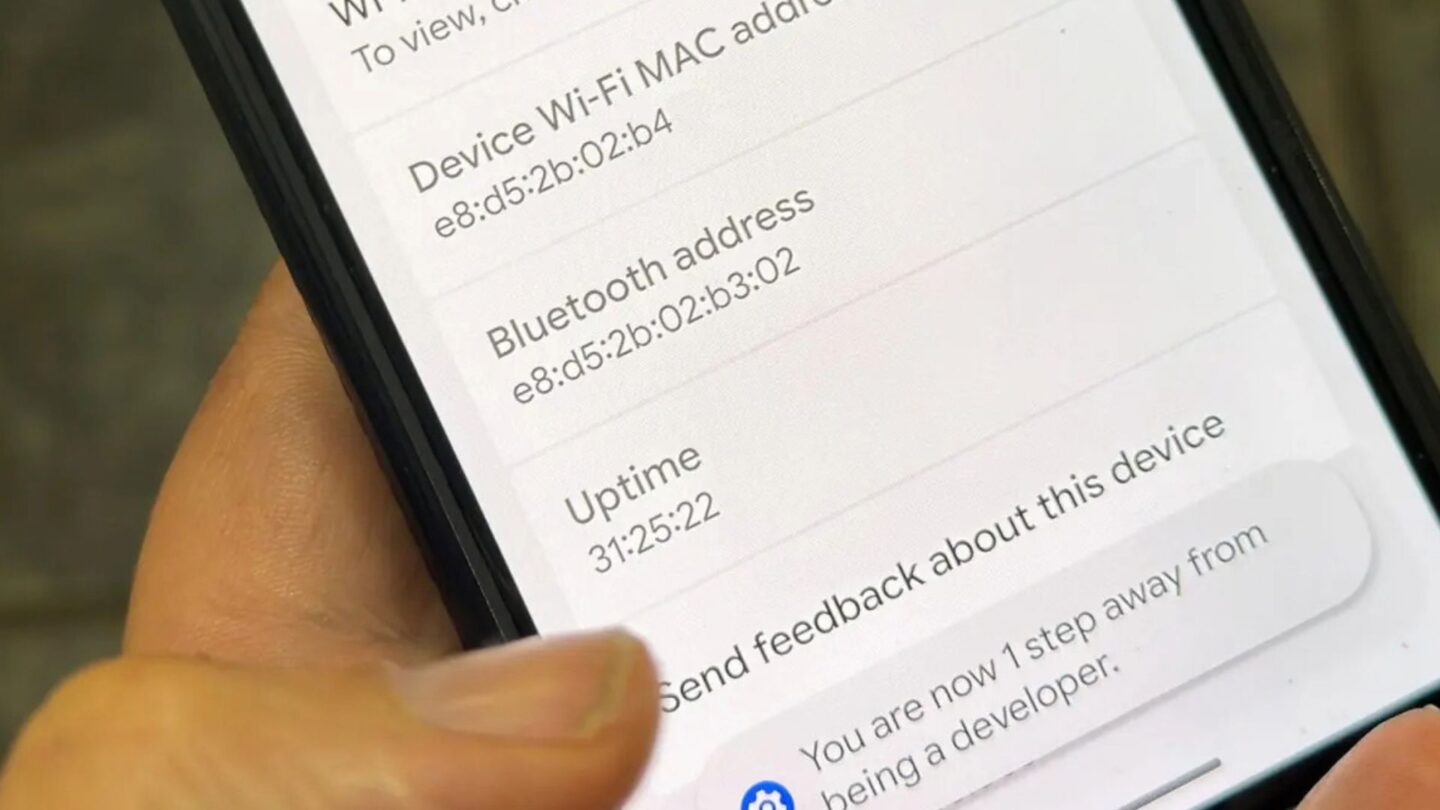
The process includes enabling a setting through Developer Options, restarting the device and then waiting 24 hours before the unverified installation setting can be unlocked. This adds a significant barrier compared with the traditional process of downloading an APK and installing it immediately.
However, the 24-hour period does not apply separately to every unverified application. It is a device-level delay intended to enable the installation of unverified software. Once the waiting period is complete, the permission can remain enabled for seven days or, depending on the configuration, indefinitely.
This means users who regularly install applications from outside recognised stores will not necessarily have to repeat the 24-hour process every time they download an APK. The additional steps are meant to add friction before unrestricted installation of unverified software is enabled.
There is also an exception for developers and experienced Android users who install applications through Android Debug Bridge, commonly known as ADB. Direct installation through ADB can bypass the 24-hour waiting period, providing a separate route for development and testing.
Google first discussed the 24-hour delay several months before the developer verification system began appearing for Play Console accounts. The latest clarification provides a clearer picture of how the mechanism fits into the broader rollout rather than functioning as a universal block on sideloading.
Four countries receive the first rollout ahead of global expansion
The initial enforcement began in four countries on 30 September. Google has said the system will eventually expand worldwide, with the broader rollout currently planned for 2027.
The staged approach gives Google and participating app marketplaces time to introduce developer verification before the requirements become more widespread. It also allows developers to register and complete the necessary checks ahead of the global expansion.
For Android users, the practical effect will depend on how they obtain applications. People who primarily use Google Play or other participating stores and install verified applications may notice little change. Users who regularly download APK files directly from developers or other sources are more likely to encounter the new verification process.
The distinction between certified and uncertified devices also means the impact will not be identical across the Android ecosystem. Certified phones that include Google’s services are the main focus of the current rollout, while custom ROMs and other uncertified builds are not automatically subject to the same requirements.
Google’s approach therefore represents a gradual change to Android’s long-standing sideloading model rather than an immediate worldwide shutdown of APK installation. The company is increasing verification requirements around recognised distribution channels while retaining routes for developers and advanced users to install software outside those channels.
The global expansion planned for 2027 will determine how broadly these requirements affect Android users and developers, particularly those who rely on direct APK distribution rather than conventional app stores.