



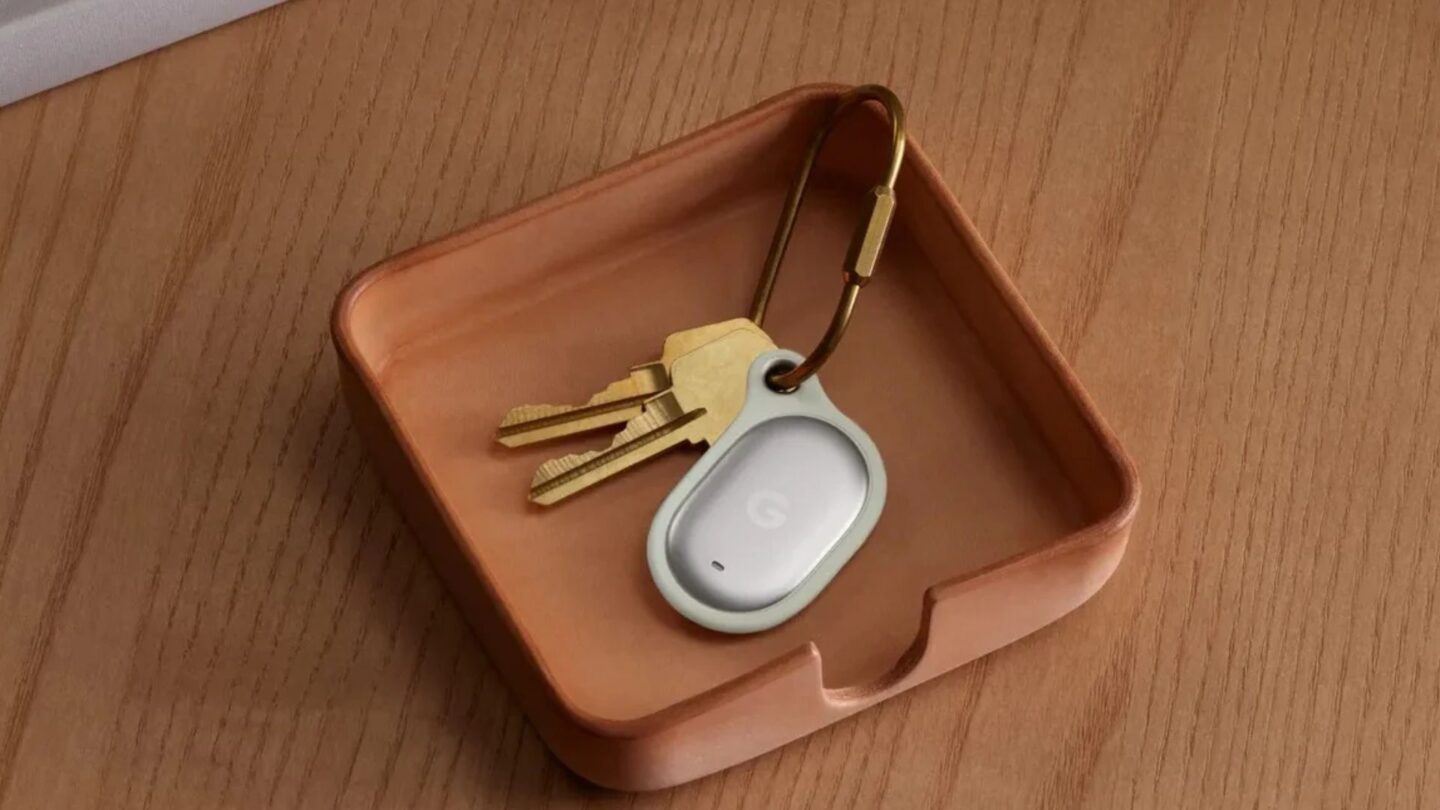
Google has officially launched the Pixel Tag, its long-awaited item tracker designed to help Android users locate everyday belongings. First announced during the Pixel 11 launch in August, the device is now available for purchase, bringing Google’s tracking technology into a market already occupied by products from Motorola and Samsung.
The launch raises questions about whether Google’s latest tracker can compete with established alternatives, particularly the Moto Tag 2 and Samsung Galaxy SmartTag 2. Although a full comparison will require hands-on testing, the Pixel Tag arrives with several features that could make it a strong option for Android users. Its combination of location tracking, Ultra Wideband technology and integration with Google’s Find Hub network gives it a competitive starting point.
The device is designed for people who frequently misplace items such as keys, bags, wallets and luggage. By connecting a small tracking device to personal belongings, users can check their location through a compatible smartphone and receive alerts when they accidentally leave something behind.
Google Pixel Tag brings advanced tracking features to Android users
The Google Pixel Tag weighs just 11.8g, making it a lightweight accessory that can be attached to everyday belongings without adding significant bulk. It also carries an IP67 rating, offering protection against dust and temporary water immersion. This makes it suitable for regular use, although users should still avoid unnecessary exposure to harsh conditions.
Power comes from a replaceable coin-cell battery, which Google says should last more than a year. The replaceable design also means owners will not need to discard the entire tracker when its battery runs out. Instead, they can install a new battery and continue using the device.
To locate nearby belongings, the Pixel Tag can make an audible sound to help users find it. When an item is farther away, Google’s Find Hub service can display its location on a map. This feature relies on a crowdsourced network of more than one billion Android devices, allowing compatible phones to help locate missing trackers.
The Pixel Tag also supports Ultra Wideband technology, commonly known as UWB, for more precise tracking at close range. When supported by a compatible smartphone, the feature provides directional guidance on the phone’s screen, helping users move towards the missing item. This could be particularly useful when searching for keys or other small belongings inside a home, office or crowded space.
Google has also included a convenient feature for locating a misplaced smartphone. By pressing the button on the Pixel Tag twice, users can make their connected handset ring, even when it is hard to find nearby.
Additional features are designed to reduce the chances of losing belongings in the first place. Users can receive notifications when they leave behind an item carrying a Pixel Tag. If something goes missing, they can mark the tracker as lost and receive an alert when Google’s Find Hub network detects its location.
The device also supports shared tracking, allowing multiple people to monitor the same tagged item. This could be useful for families sharing luggage, household belongings or other valuables. Google also lets users share a tracker’s location with airlines or other people with a Google account, potentially making it easier to coordinate the recovery of misplaced luggage.
Pixel Tag faces competition from Motorola and Samsung
Although Google’s new tracker introduces several useful features, its specifications are broadly comparable with existing Android-compatible alternatives. The Moto Tag 2 and Samsung Galaxy SmartTag 2 already offer similar tracking capabilities, making compatibility, battery performance, durability and availability important factors for potential buyers.
One of the Pixel Tag’s main advantages is its broad Android compatibility. It supports smartphones running Android 9 or later, giving it access to a much wider range of devices than Samsung’s Galaxy SmartTag 2, which is designed primarily for Samsung Galaxy smartphones.
This difference could make Google’s tracker more appealing to people who use Android phones from different manufacturers. Rather than requiring a specific smartphone brand, the Pixel Tag offers a more accessible option for users who want tracking features without changing their existing devices.
Availability is another consideration. Google’s Pixel Tag is now widely available, while the Moto Tag 2 has limited availability in certain markets, including Australia. This could affect purchasing decisions for consumers who want to buy a tracker without relying on imports or waiting for a regional release.
However, the competition still has some advantages. The Moto Tag 2 offers slightly better water resistance, which could make it more suitable for people who regularly expose their belongings to wet conditions. Both Motorola’s tracker and Samsung’s Galaxy SmartTag 2 may also offer longer battery life, although real-world performance will depend on usage and tracking settings.
Pricing is relatively similar across the three devices, meaning buyers may need to look beyond the initial purchase cost when deciding which tracker offers the best value. Compatibility with existing smartphones and the reliability of each tracking network could ultimately matter more than small specification differences.
Google’s ability to use its extensive Android network is likely to be a significant part of the Pixel Tag’s appeal. However, the effectiveness of crowdsourced tracking will depend on how many devices participate in a given area and how often they come within range of a missing tracker.
Samsung prepares Galaxy SmartTag 3 with iPhone support
Competition in the item-tracking market could get more interesting after Samsung announced the Galaxy SmartTag 3. Unlike its predecessor, the upcoming tracker is expected to introduce iOS compatibility, potentially expanding its appeal beyond Samsung and Android users.
Adding Apple device support would be a notable change for Samsung’s tracking products. Previous Galaxy SmartTag models have largely focused on the Samsung ecosystem, limiting their usefulness for people who own an iPhone or use a mixture of Apple and Android devices.
However, consumers should not expect the Galaxy SmartTag 3 to become widely available immediately. Its broader launch is currently expected sometime in 2027, leaving the Pixel Tag, Moto Tag 2 and Galaxy SmartTag 2 as the more immediate options for people shopping for an item tracker.
The upcoming Samsung device could also change how consumers compare tracking accessories, particularly if its iOS support delivers a more flexible experience across different smartphone platforms. For now, buyers will need to consider the compatibility and features of the products already available.
The Google Pixel Tag appears to be a promising addition to the Android tracking market, particularly for people who want a device that works across different Android smartphone brands. Its lightweight construction, replaceable battery, UWB support and access to Google’s extensive Find Hub network give it several attractive features. Nevertheless, a definitive recommendation will depend on independent testing of its tracking accuracy, battery performance and everyday reliability. Until those results are available, the Moto Tag 2 and Galaxy SmartTag 2 remain worthwhile alternatives.


