

For more than a decade, Chromebooks have helped establish Google as a serious player in the laptop market by offering affordable devices centred on cloud-based computing. A newly leaked Lenovo laptop suggests the company is preparing for its next chapter, with an Android-powered platform designed to compete more directly with premium Windows laptops.
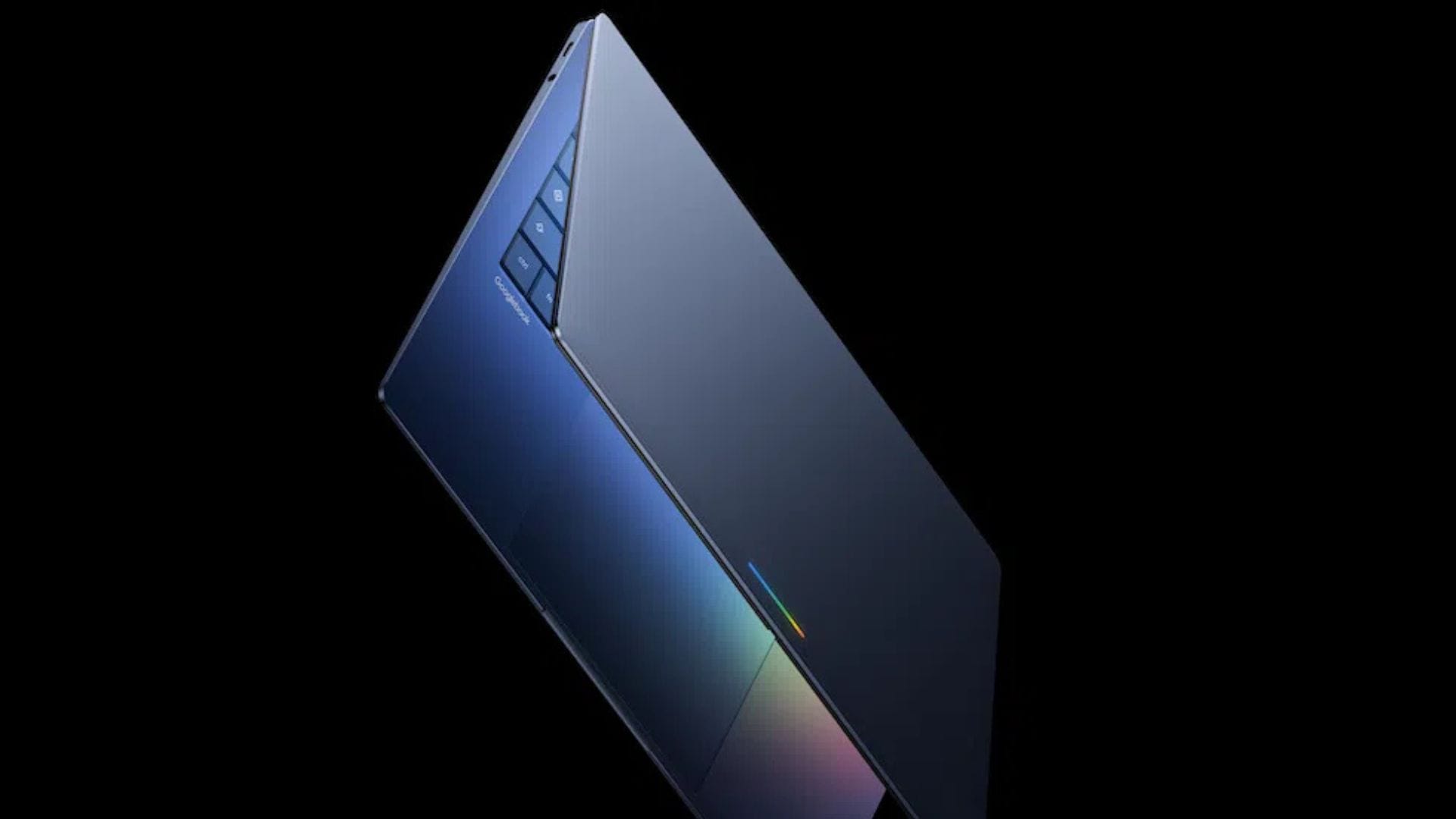
The leaked device, known as the Lenovo Googlebook 15, appears to be separate from Lenovo’s recently leaked Android-based 2-in-1 tablet. Images published by Digital Citizen reportedly include the complete set of official press renders, providing the clearest look yet at the hardware design and Google’s evolving desktop software. Although Lenovo has not officially announced the laptop, industry observers expect it could make its public debut during IFA in September.
Googlebook branding points to a new platform
The leaked images show a 15-inch laptop with Googlebook branding across the palm rest, rather than Lenovo’s more familiar IdeaPad or Yoga names. The branding suggests Google intends to give its new computing platform a stronger identity rather than treating it as another variant of Chrome OS.
One of the most noticeable changes is the keyboard layout. A dedicated key featuring Google’s “G” logo replaces the traditional Windows key, providing direct access to Gemini, the company’s artificial intelligence assistant. Other keyboard changes include a Caps Lock key that also functions as an application launcher, reflecting Google’s effort to streamline navigation through its software ecosystem.
The function row has also been redesigned with 14 shortcut keys for common tasks. These include controls for taking screenshots, enabling accessibility features, muting the microphone, managing windows and adjusting keyboard brightness. The updated layout suggests Google is tailoring the experience around productivity and AI-assisted workflows rather than following traditional Windows keyboard conventions.
While the overall hardware design appears familiar, the branding and keyboard changes indicate that Google is trying to distinguish Googlebook devices from existing Chromebook models. Instead of focusing primarily on education and entry-level computing, the new platform appears to be aimed at users seeking more capable laptops with deeper integration with Google’s services.
Desktop interface highlights Google’s software ambitions
The leaked software interface provides one of the strongest indications of how Google intends to position its next generation of laptops. The desktop combines elements from Android and ChromeOS while introducing a layout that resembles both mobile and desktop operating systems.
At the top of the display is a smartphone-style status bar showing battery level, Wi-Fi connectivity, notifications and a Gemini icon. Along the bottom sits a more conventional desktop taskbar, giving users quick access to frequently used applications while maintaining a familiar workspace.
Several Google applications are pinned to the taskbar, including Chrome, Gmail, Calendar, YouTube, Google Photos and the Google Play Store. The leaked images also show third-party software such as Canva and Adobe Premiere Pro. Their appearance suggests Google wants to demonstrate broader software support beyond its own ecosystem.
However, the presence of Adobe Premiere Pro in promotional images does not necessarily confirm which version of the software will be available. It also does not indicate how well professional editing applications will perform on the new hardware. More technical information will be needed before the platform’s capabilities can be properly assessed.
The interface appears to combine mobile-style simplicity with desktop productivity features, reflecting Google’s broader effort to unify experiences across phones, tablets and laptops. If successful, the approach could make switching between Android devices and Googlebook laptops more seamless than with previous Chromebook models.
Google prepares to challenge premium Windows laptops
Google has already outlined its broader vision for the Googlebook platform. According to the company, the new devices will combine Android applications, ChromeOS technologies, tighter smartphone integration, Gemini’s Magic Pointer features, and premium hardware from major PC manufacturers, including Acer, Asus, Dell, HP, and Lenovo.
The inclusion of several established hardware partners suggests Google is seeking broad industry support rather than relying on a single manufacturer. This strategy mirrors the company’s long-standing Android approach, where multiple companies produce devices running the same software platform.
Despite the detailed leak, several important specifications remain unknown. Lenovo has yet to confirm the laptop’s processor, memory options, storage capacity, battery life or display specifications. Pricing has also not been disclosed, making it difficult to judge how competitive the device will be against established Windows laptops or Apple’s MacBook range.
The first Googlebook models are expected to launch during the autumn, although an official announcement has not yet been made. If Lenovo introduces the device at IFA in September, Google may finally provide answers about hardware performance, software capabilities and pricing.
The leaked images suggest Google is attempting to move beyond the Chromebook identity that has defined its laptop strategy for the past 15 years. By combining Android software, artificial intelligence features and premium hardware, the company appears to be positioning Googlebook as a more capable alternative for users considering high-end Windows laptops. Whether the platform can deliver on that ambition will ultimately depend on its real-world performance, application compatibility and overall value once the first devices reach consumers.