


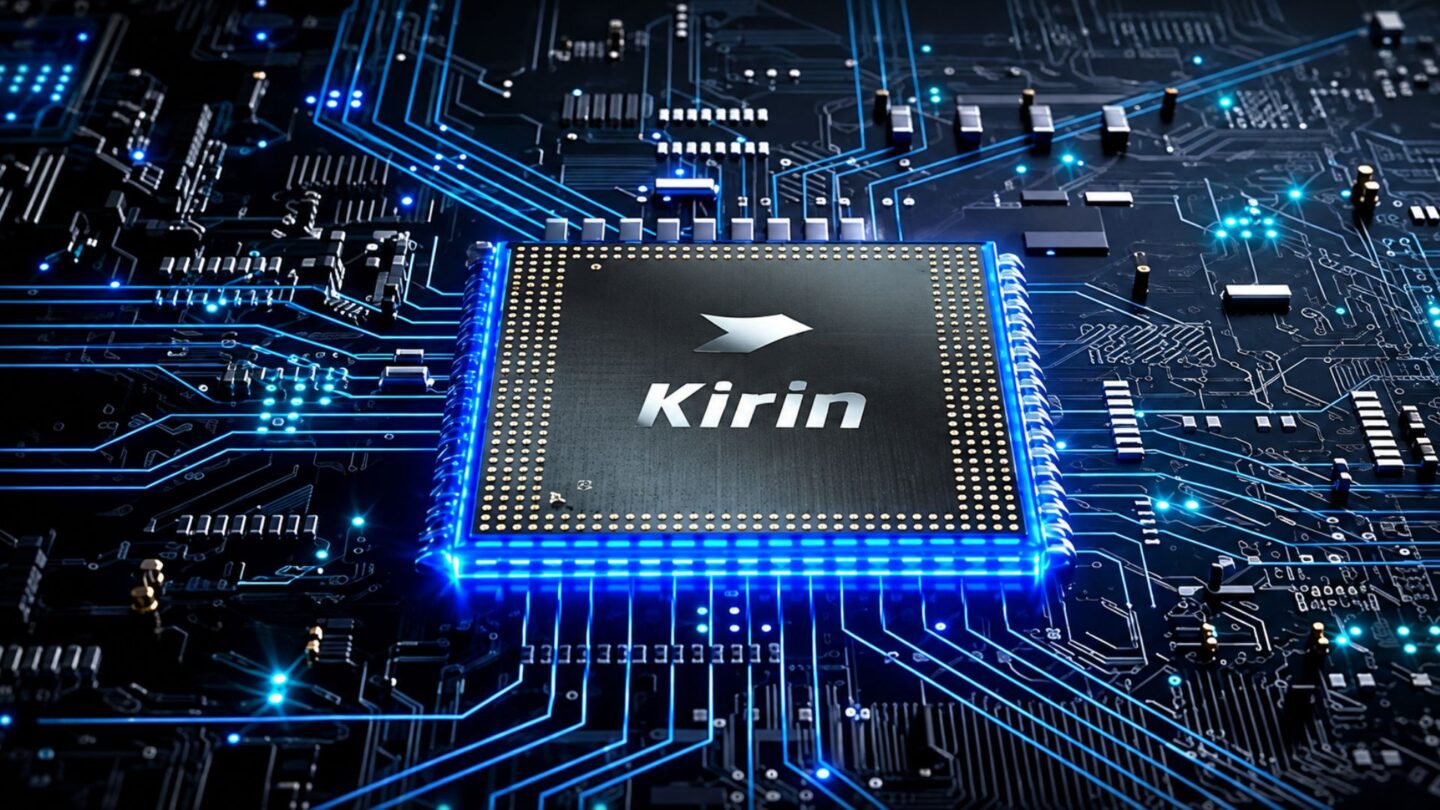
Huawei Technologies has shipped more than 100 million devices powered by its Kirin processors since 2023, marking a significant step in its efforts to rebuild its semiconductor business despite US export restrictions. The Chinese technology company has also reported progress in developing its next-generation processor as it expands its ambitions in smartphone chips and artificial intelligence hardware.
Huawei strengthens its Kirin processor business
Huawei announced the milestone on 13 October, highlighting progress in its in-house semiconductor development since returning to the premium smartphone market in 2023. The company has faced significant challenges following US sanctions that restricted its access to advanced chipmaking technology and other key components.
The Kirin processor family has become central to Huawei’s strategy to reduce its dependence on overseas semiconductor suppliers. By developing its own chips and working with domestic manufacturing partners, the company has sought to restore its competitiveness in the smartphone industry while strengthening China’s wider semiconductor capabilities.
The latest figures indicate that Huawei has continued shipping devices powered by its own processors despite the restrictions. However, the company has not disclosed a detailed breakdown of the 100 million devices by model, processor generation or individual market.
The milestone coincides with the unveiling of further details about Huawei’s flagship Kirin 9050 series. The company described the processor as the first mass-produced chip to use its proprietary LogicFolding architecture, which was developed under a framework known as the Tau Scaling Law.
Huawei’s announcement highlights the importance of its chip development programme as it seeks to improve processor performance and manufacturing efficiency. Its latest efforts also show the company is trying to develop advanced semiconductor technology through its domestic supply network rather than relying on unrestricted access to international suppliers.
Kirin 9050 introduces new chip architecture
The Kirin 9050 series represents a new stage in Huawei’s efforts to advance its semiconductor designs. The company says the processor uses more than 50 million hybrid bonds, a technology that connects components within semiconductor packages. Huawei also reported a 53.5 per cent improvement in transistor density.
Transistor density measures how many transistors can fit into a given area of a chip. Higher density lets manufacturers pack more computing power into a smaller space, though overall performance also depends on factors such as architecture, power consumption, thermal management, and manufacturing processes.
Hybrid bonding can create closer electrical connections between chip components, supporting more compact designs and potentially improving data-transfer efficiency. These technologies are increasingly important as semiconductor manufacturers seek to improve performance while overcoming the physical limits of conventional chip scaling.
Huawei said the new processors had entered mass production with support from China’s domestic electronics supply chain. “The Kirin 9050 series has successfully achieved mass production with the support of China’s domestic electronics supply chain,” the company said.
The statement points to the role of domestic suppliers in Huawei’s semiconductor strategy. US export controls have restricted China’s access to certain advanced chipmaking equipment and technologies, making it more difficult for Chinese companies to manufacture the most sophisticated processors using conventional production methods.
Huawei’s approach reflects a broader effort to improve chip performance through new architectures, packaging techniques, and manufacturing processes. However, the company’s announcement does not independently establish how the Kirin 9050 compares with leading processors from international competitors in areas such as computing speed, energy efficiency or artificial intelligence workloads.
The reported improvements in transistor density and the use of LogicFolding therefore offer insight into Huawei’s engineering direction. Still, independent testing would be needed to establish the practical benefits of the new design across different applications.
Next-generation Kirin chip and AI ambitions
Huawei is also advancing work on its next-generation Kirin 2027 processor, according to a report published by Chinese financial news outlet Yicai on 13 October. The report said testing had begun and preliminary results met the company’s targets.
The report cited Xu Songyu, a director responsible for wireless device chips within Huawei’s semiconductor business. The progress suggests Huawei is continuing to develop its processor roadmap alongside mass production of the Kirin 9050 series.
The Kirin 2027 is expected to form part of the company’s longer-term semiconductor development efforts. However, the available information has not disclosed detailed specifications, production schedules, or commercial launch plans. As a result, it is unclear what performance improvements the next-generation processor will deliver or when consumers might receive devices using it.
Beyond smartphones, Huawei is expanding its presence in China’s domestic artificial intelligence chip market. AI processors are increasingly important for training and running machine-learning models, powering cloud computing services and supporting applications that require substantial computing resources.
The company’s semiconductor ambitions extend beyond replacing foreign smartphone components. Building a stronger domestic chip ecosystem could help Huawei serve a wider range of technology markets while supporting China’s efforts to strengthen its semiconductor industry.
Nevertheless, developing advanced processors remains complex. Access to manufacturing equipment, production yields, software compatibility and the ability to scale output all influence whether a chip design can compete commercially. Huawei’s reported achievements show progress in its development programme, but they do not eliminate the technical and supply-chain challenges tied to US restrictions.
Shipments of more than 100 million Kirin-powered devices since 2023 provide a clear indication of Huawei’s return to the smartphone market. With the Kirin 9050 series entering mass production and the Kirin 2027 undergoing testing, the company’s next challenge will be translating its semiconductor advances into competitive products while continuing to expand its role in China’s AI hardware sector.