



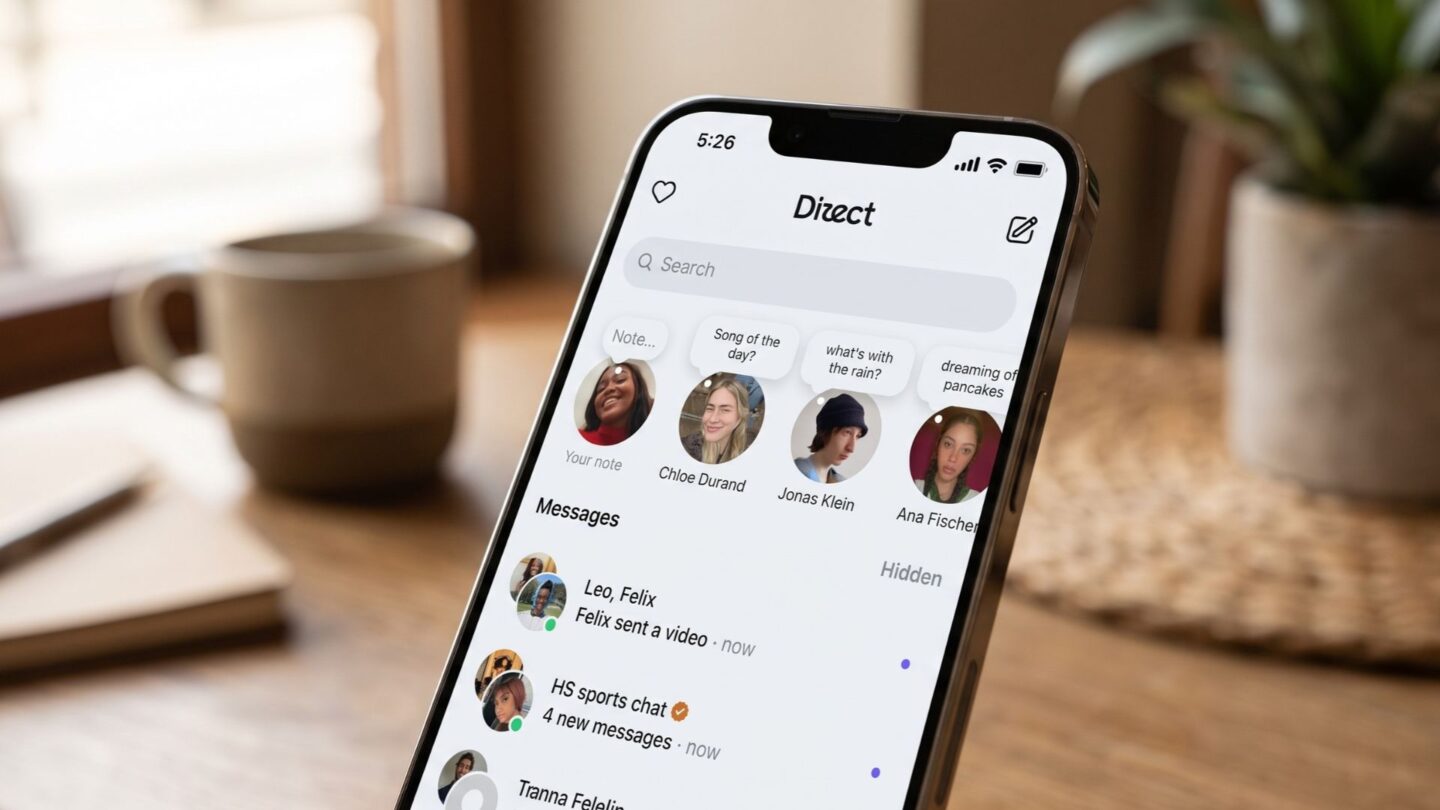
Technology giant Meta has begun testing a dedicated messaging application called Direct that separates the Instagram inbox from the main social media platform. According to a company update, the standalone service is currently available exclusively to users in Thailand and Turkey as part of an initial trial phase. The new software aims to broaden the reach of Instagram direct messages by opening the communication network to people without an active profile on the photo-sharing network.
At first glance, the standalone app closely mirrors the design and layout of the standard inbox in the main Instagram app. Users who sign in with their existing Instagram credentials will find their ongoing conversations transfer seamlessly to the new platform. The interface retains popular personalisation options, letting users customise chat backgrounds for specific threads and share brief status updates through the Notes feature.
Accessing the service without an Instagram profile
While existing social media users can link their profiles effortlessly, Meta has designed Direct to function independently without requiring an Instagram login. Prospective users can register for the messaging service using only a standard email address or a mobile phone number. Once registered, these individuals can communicate with friends who use either the standalone app or the main Instagram platform.
Despite this open access, communicating without a linked social media profile involves a slightly less streamlined setup process. Meta has explained that users who sign up with a phone number or email address will not automatically have a network of followers to message. Instead, these participants must manually build their contact lists by searching for a friend’s specific Instagram username or by scanning a dedicated QR code before they can initiate a conversation.
Safety controls and protections for younger users
Alongside the core messaging tools, the technology firm is integrating several established Instagram safety measures directly into the Direct experience. To prevent unwanted contact from strangers, the software restricts users from starting new conversations with accounts that are not already connected through their approved contacts. This measure is intended to keep interactions focused on known acquaintances and friends.
For families, the app supports Meta’s existing parental supervision tools, enabling guardians to monitor how much time teenagers spend on the platform and who they message. Furthermore, the company stated that it will “use technology to detect and act on potentially inappropriate interactions with young people” on the service. However, Meta did not provide specific technical details regarding how these automated detection systems will operate within the standalone app.
Strategic questions and potential overlap with WhatsApp
The decision to trial a separate inbox represents an intriguing strategic shift for the social media company. Instagram head Adam Mosseri has often highlighted that private messaging is the platform’s most popular feature. Previously, when Meta briefly considered linking the Instagram inbox to its text-based app Threads, Mosseri expressed reluctance, noting that using multiple apps to reach the same contacts seemed “redundant” and could lead to “notification routing weirdness” that would degrade the overall user experience.
Launching Direct also introduces potential overlap with WhatsApp, Meta’s dominant global messaging platform, within the regions where the test is taking place. While an Instagram-focused chat application is unlikely to entirely replace WhatsApp for most consumers, allowing non-Instagram users to sign up with a phone number could draw engagement away from the established service. By limiting the rollout to Thailand and Turkey for now, Meta can evaluate user adoption and technical performance before deciding whether to expand Direct to additional international markets.