


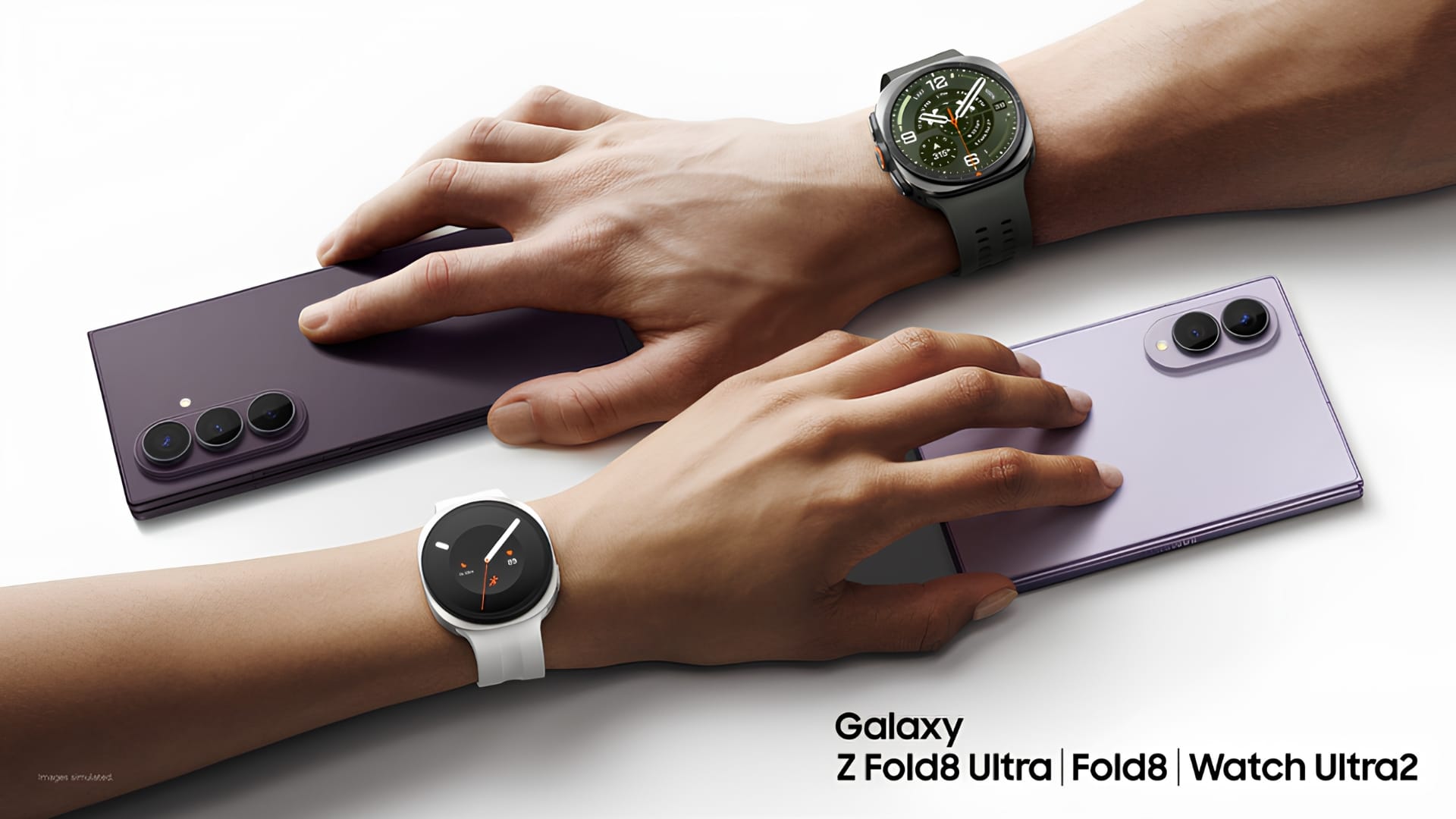
Samsung has launched the Galaxy Watch Ultra2 and Galaxy Watch9, strategically dividing its latest smartwatch lineup between outdoor sports performance and continuous daily health monitoring. The Galaxy Watch Ultra2 combines a larger battery, a brighter display, and dedicated tools tailored for trail running and diving. Meanwhile, the Galaxy Watch9 adopts a lighter design crafted for round-the-clock activity and sleep tracking.
Both wearable devices operate on Wear OS 7 featuring Samsung’s One UI 9 Watch software, powered by Qualcomm’s SDW6100 processor. They share Samsung’s BioActive Sensor alongside a comprehensive suite of health features that cover sleep monitoring, cardiovascular wellness, exercise load, recovery, and hearing safety.
Highlighting the integration across devices, Ronnie Ng, Vice President and Head of Mobile eXperience at Samsung Electronics Singapore, linked these capabilities directly to the broader Samsung ecosystem. “When connected, both the Galaxy smartphone and smartwatch are more capable of understanding context and delivering experiences that adapt to your day.”
Galaxy Watch Ultra2 expands into diving
The Galaxy Watch Ultra2 comes in a single 47mm size encased in titanium, featuring 64GB of storage and an 800mAh battery. Samsung estimates up to 60 hours of use when the screen remains continuously visible, while fast charging can replenish the battery to 40% capacity in 30 minutes.
This represents a 35% increase in battery capacity compared to the previous Galaxy Watch Ultra, even though internal engineering changes have reduced the watch’s overall thickness by 12%. Its 1.52-inch Super AMOLED display can reach a peak brightness of 5,000 nits in bright ambient light, subject to device temperature, usage conditions, and other environmental factors.
Samsung has paired those hardware upgrades with more specialised tracking capabilities. Trail Run records elevation, climbing progress, and terrain impact to provide runners with deeper insights into pace and effort. Additionally, Nutrition Alert estimates sweat loss relative to body weight and offers hydration guidance during supported activities.
For precise location tracking, dual-frequency GPS uses both L1 and L5 satellite signals, supported alongside Bluetooth, Wi-Fi, NFC, and optional LTE connectivity.
Diving receives greater attention in this generation. The Ultra2 carries EN13319 certification for equipment that measures diving depth and time, alongside 10ATM water resistance and an IP69K rating for protection against high-pressure water jets.
After the automatic dive function is enabled, the watch records depth, elapsed time, and water temperature. Samsung plans to release a dedicated Ultra2 Diving app later in 2026, which will introduce ascent and descent speed tracking along with safe dive limits. Developed in partnership with diving equipment specialist Mares, these features will remain exclusive to the Ultra2 for two years among smartwatches running Wear OS.
Galaxy Watch9 is designed for continuous wear
The Galaxy Watch9 takes a lighter approach centred on everyday health data. Its aluminium casing retains Samsung’s familiar cushion-shaped design but has been adjusted to sit closer to the wrist, while interchangeable soft-touch bands are intended to support prolonged wear, including during sleep.
Offered in 40mm and 44mm sizes, the smaller model weighs 31.5g and houses a 390mAh battery, whereas the 44mm version weighs 34g and uses a 445mAh battery. Both models offer 32GB of storage, displays rated at up to 3,000 nits, and a claimed battery life of up to 30 hours with the screen continuously visible.
The 40mm model will be sold in Graphite and Cream, while the larger version comes in Graphite and Silver. Both sizes support Bluetooth or LTE configurations, Wi-Fi, NFC, and dual-frequency GPS.
Health features need several days of data
Six health functions are available across the two watches. Sleep Apnea is designed to identify signs of moderate to severe sleep apnoea using two nights of data recorded within a 10-day period. Samsung states that the updated feature has received new clearance from the US Food and Drug Administration and uses artificial intelligence algorithms to examine breathing disruptions during sleep.
The Vitals feature compares overnight readings with a personal baseline and can alert the wearer to significant changes. Heart Health Score condenses cardiovascular wellness into a single score with personalised recommendations, while Daily Cardio Load estimates exercise volume and recovery needs.
Fitness Index draws on body composition, estimated aerobic fitness, activity, and step data to assess overall physical condition. Finally, Hearing provides warnings about unsafe noise levels and produces detailed exposure reports.
Several functions need sustained use before they can generate results. Vitals requires at least seven nights of sleep records. Daily Cardio Load needs seven days of activity history, with 28 days of continuous wear recommended for higher accuracy, while Heart Health Score begins with a 24-hour setup period covering waking and sleeping data.
Samsung states that these tools are intended strictly for personal wellness information and do not replace professional medical diagnosis or treatment. Feature availability also depends on the market, paired smartphone model, and software version.
Galaxy Watch Ultra2 and Galaxy Watch9 are available for pre-order in Singapore from 22 July. Buyers can receive 10% off either watch when purchasing it with a Galaxy smartphone or tablet in the same transaction, subject to stock availability and participating retailers.