


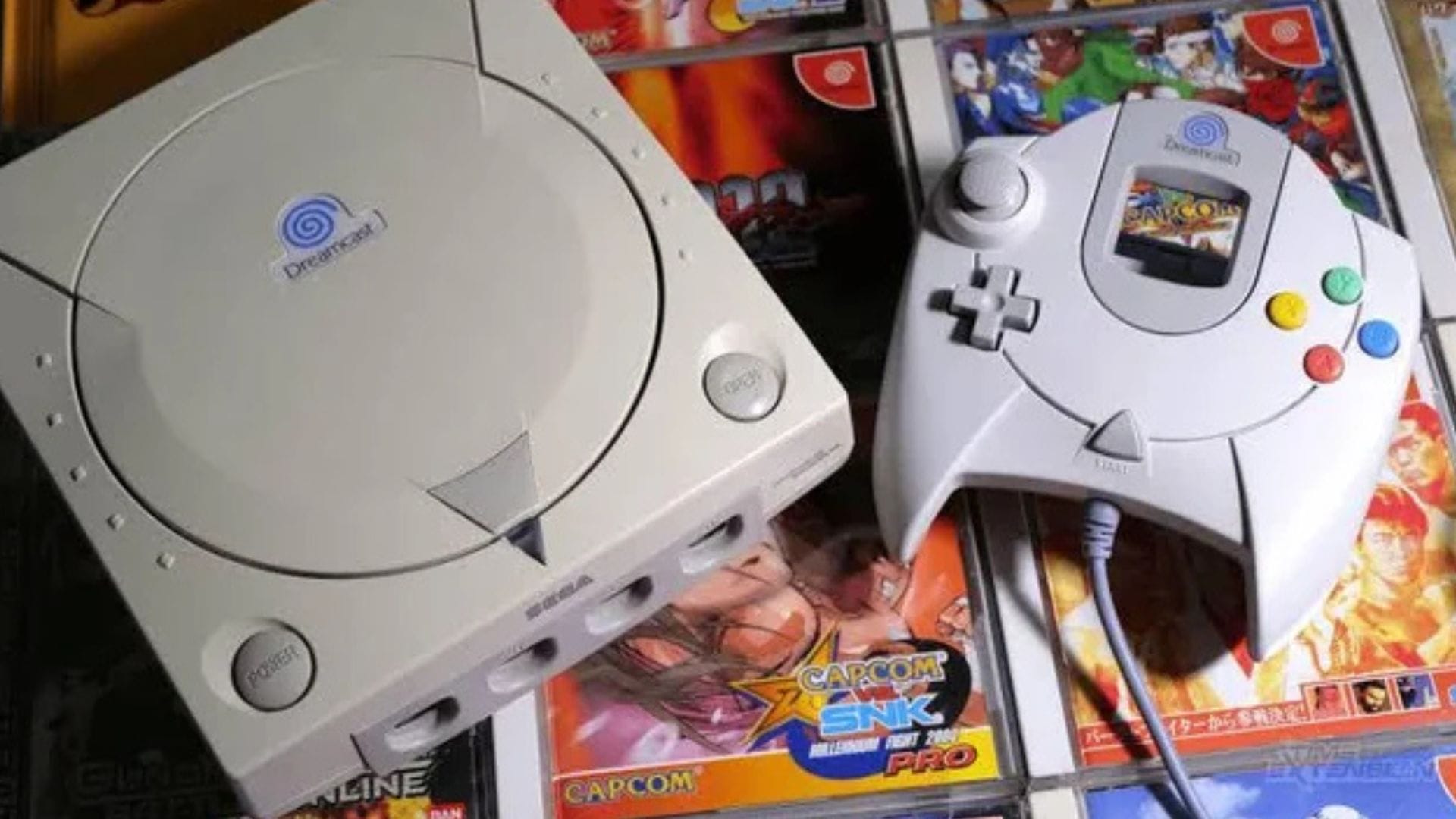
The Sega Dreamcast may have been discontinued more than two decades ago, but the console continues to attract developers and players who refuse to let it fade into history. Although Sega ended production of the system in 2001 after a brief commercial lifespan, an active community of independent creators continues to produce original games, software, and online services for the platform.
Originally launched in Japan in 1998 before expanding to international markets in 1999, the Dreamcast introduced several features that were well ahead of their time. It delivered arcade-quality graphics, built-in online connectivity through an integrated modem and a controller equipped with a removable secondary display. The console also became home to influential titles including ChuChu Rocket!, SoulCalibur, Sonic Adventure, Phantasy Star Online, Space Channel 5, Jet Set Radio, Shenmue and Resident Evil – Code: Veronica.
While Sega eventually withdrew from the console hardware market following the rapid success of Sony’s PlayStation 2, the Dreamcast’s technical design unexpectedly helped secure its long-term future. Enthusiasts quickly discovered ways to run software from standard CDs rather than the console’s original GD-ROM discs, allowing homebrew developers to create and distribute new software without requiring hardware modifications.
Independent developers continue to expand the Dreamcast library
More than 25 years after Sega discontinued the Dreamcast, new commercial releases are still being developed specifically for the console. One of the latest examples is White Creek, a survival horror game from Story Bird Studios and publisher PixelHeart, introduced via a Kickstarter campaign in June.
The game follows exorcist Alicia Morelli as she investigates a snow-covered town haunted by restless spirits. Players use psychic abilities, firearms and a mobile phone while solving puzzles and deciding whether possessed residents should be executed or exorcised. Although White Creek is also planned for release on Steam, its developers say the Dreamcast remains its primary platform.
Story Bird Studios explained its approach on the Kickstarter campaign:
“White Creek isn’t a game ‘inspired by the Dreamcast.’ It’s a game designed for it, from day one. Our team worked to exploit the console’s full technical potential: 3D environments, cinematic cameras, and visual effects that rival those of the biggest productions of the NAOMI era. Every camera angle is a narrative choice. Every shadow, an intention. You won’t play White Creek on Dreamcast despite the console. You’ll play it because the game is made for this machine.”
The project highlights the continued commitment of publishers such as PixelHeart and JoshProd, both of which have supported new Dreamcast releases for years. Alongside established publishers, numerous hobbyists, independent studios, and solo developers continue to produce original games, ports, remakes, and emulators, while also maintaining online servers for multiplayer titles that remain playable decades after the console’s official retirement.
Communities dedicated to the Dreamcast also remain highly active. Specialist websites regularly report on new releases and development projects, while online forums and social platforms continue to bring together collectors, programmers and fans interested in preserving the console’s legacy.
Open design helped the Dreamcast outlive its commercial life
One of the main reasons the Dreamcast continues to receive new software lies in its unusually open architecture. Unlike many modern gaming platforms, Sega did not lock essential system functions behind online authentication or digital storefronts. As a result, the console remained fully functional even after official services were discontinued.
Because developers could bypass the proprietary disc format and use standard CDs, creating and distributing homebrew software became relatively straightforward. This accessibility encouraged experimentation and allowed enthusiasts to continue building new experiences without relying on official support from Sega.
The Dreamcast also represented an important turning point in gaming history. It was among the first home consoles to include built-in internet connectivity, introducing online multiplayer gameplay and worldwide leaderboards at a time when internet-enabled consoles were still uncommon. At the same time, it retained enough offline functionality to remain usable long after official online infrastructure disappeared.
This combination has made the Dreamcast particularly attractive for preservation projects. Modern developers continue to adapt classic games, create entirely new titles, and restore multiplayer functionality through community-operated servers. The console’s balance of capable hardware and accessible software has enabled a level of longevity rarely seen in the games industry.
The Dreamcast’s legacy remains relevant today
The continued success of Dreamcast homebrew development has influenced discussions about the importance of open gaming platforms. Systems that encourage experimentation often maintain vibrant communities long after manufacturers move on to newer hardware.
A modern example is Panic’s Playdate handheld, released in 2022. The compact console embraces independent development by providing an accessible environment where creators can build and distribute games with relatively few restrictions. Since its launch, developers have released hundreds of titles, demonstrating how open platforms can foster creativity and sustain long-term interest.
By contrast, many recent consoles rely heavily on digital storefronts and online services. Once manufacturers close those services, users typically lose access to new software releases, and developers can no longer publish games through official channels. Sony’s decision to end support for digital stores on the PlayStation 3 and PlayStation Vita illustrates how network-dependent ecosystems eventually reach a fixed endpoint, even when players remain interested in the hardware.
The Dreamcast occupies a unique place between traditional offline gaming and today’s connected consoles. It offers sufficient online capability to support modern community projects while remaining independent enough to avoid becoming unusable after official support ended. Combined with its straightforward development environment and dedicated fan base, those characteristics have allowed the platform to remain active more than a quarter of a century after its commercial lifespan ended.
Although the Dreamcast spent only around two and a half years on the market, its influence continues to extend well beyond its original release. New games, active developers and an enthusiastic global community demonstrate that the console remains an enduring symbol of creativity, preservation and independent game development.