


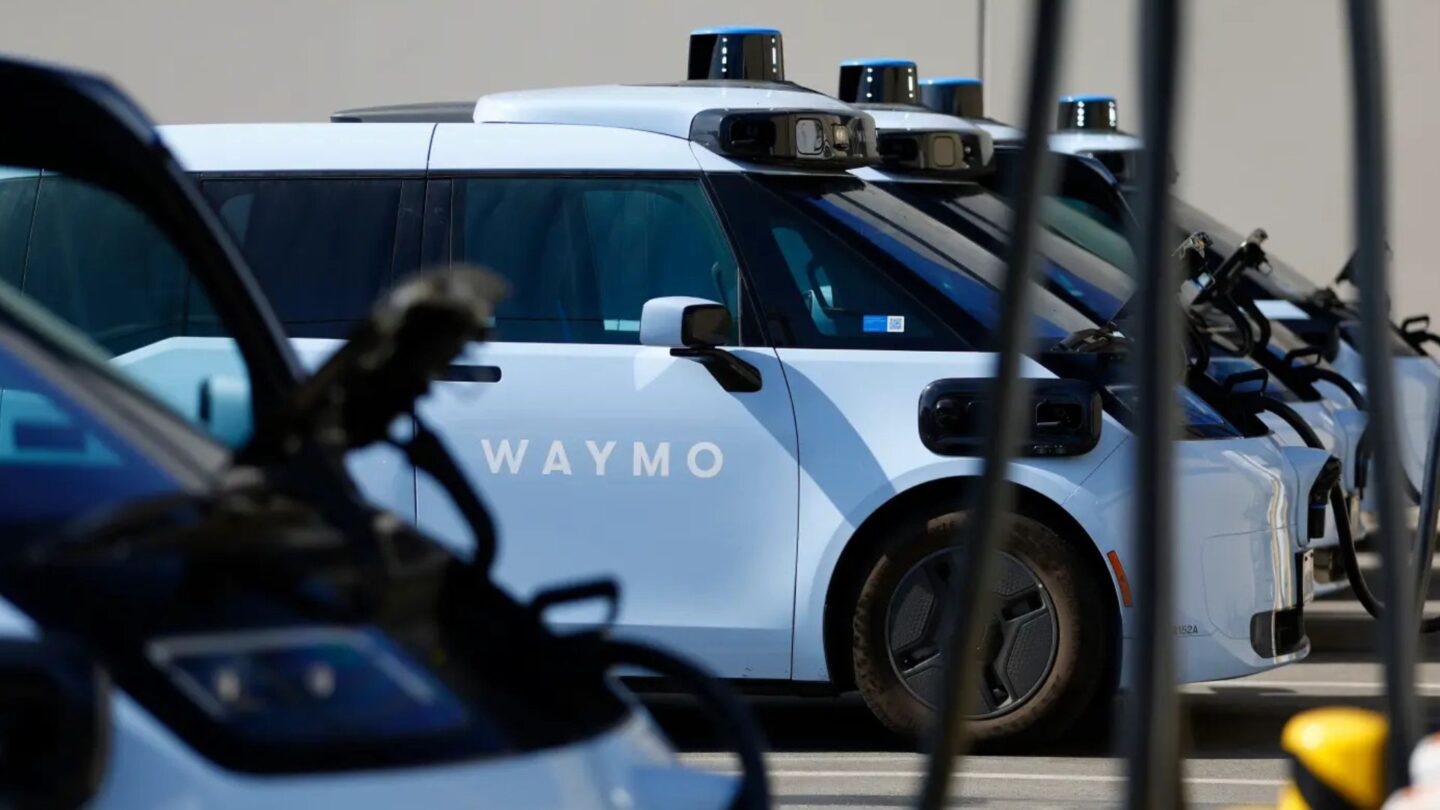
Waymo is preparing to bring its autonomous driving technology to Singapore as it continues expanding beyond the US. The company said its first Jaguar I-PACE vehicles will arrive in the city-state in the coming months as it prepares for future driverless ride-hailing services.
The move will make Singapore Waymo’s second international market after Japan. The company plans to spend 2027 mapping Singapore’s roads and adapting its autonomous driving system to local conditions before opening its service to the public.
Waymo prepares its vehicles for Singapore roads
Waymo said its specialists will manually drive the company’s vehicles on Singapore’s roads throughout 2027. The process will allow the company to build detailed maps and gather information about the local driving environment.
The mapping work is also expected to help Waymo adjust its autonomous driving system for Singapore’s road layouts. The company will account for factors including road geometry and the country’s weather patterns as it prepares its vehicles for driverless operation.
Waymo expects to begin offering rides to Singaporeans in 2028. The service will operate through Waymo’s own app, although the company has not yet provided further details about its planned coverage area, pricing or launch fleet.
Singapore offers a different operating environment from many of the US locations where Waymo has already deployed its technology. The city-state has a dense urban road network and established public transport infrastructure, allowing the company to test how autonomous ride-hailing can work alongside buses and trains.
Japan remains a key part of Waymo’s international expansion
Singapore follows Waymo’s entry into Japan, where the company began testing its driverless vehicles in Tokyo in 2025. The Japanese capital became Waymo’s first international market as the company began collecting data and learning how its technology performs outside the US.
Waymo recently said it was preparing for commercial availability in Tokyo in 2027. The planned service will use Waymo’s own app, while passengers will also be able to access rides through the GO Taxi app, a widely used taxi service in Tokyo.
The developments in Tokyo and Singapore are part of Waymo’s broader international expansion strategy. Operating in overseas markets requires the company to adapt its autonomous driving technology to different road systems, traffic conditions and local environments rather than simply deploying the same system used in the US.
The company’s approach in both cities also reflects the role of public transport in each market. Rather than positioning autonomous vehicles solely as replacements for buses or trains, Waymo is targeting journeys that connect passengers with existing transport networks.
Autonomous rides could support first- and last-mile travel
Waymo sees potential for its vehicles to provide first- and last-mile connections in cities such as Tokyo and Singapore. Both markets have extensive bus and rail networks, but not every home or destination is located close to a station or convenient public transport stop.
Autonomous ride-hailing could therefore provide another option for passengers travelling between their homes or workplaces and transport hubs. The service could be particularly useful for people who live further from railway stations or subway entrances, as well as passengers trying to reach a station quickly to catch a scheduled train.
The planned expansion also lets Waymo gain experience in markets where public transport is already central to daily travel. The company’s vehicles could operate as a complementary service, helping passengers complete parts of journeys that may be less convenient by conventional public transport.
Before those services become available, Waymo still has significant preparation work ahead. The company will need to map Singapore’s roads, adapt its technology to local conditions and demonstrate that its vehicles can operate safely in the city-state’s environment. If that work progresses as planned, public rides could begin in Singapore in 2028, marking another step in Waymo’s expansion of autonomous transport beyond the US.