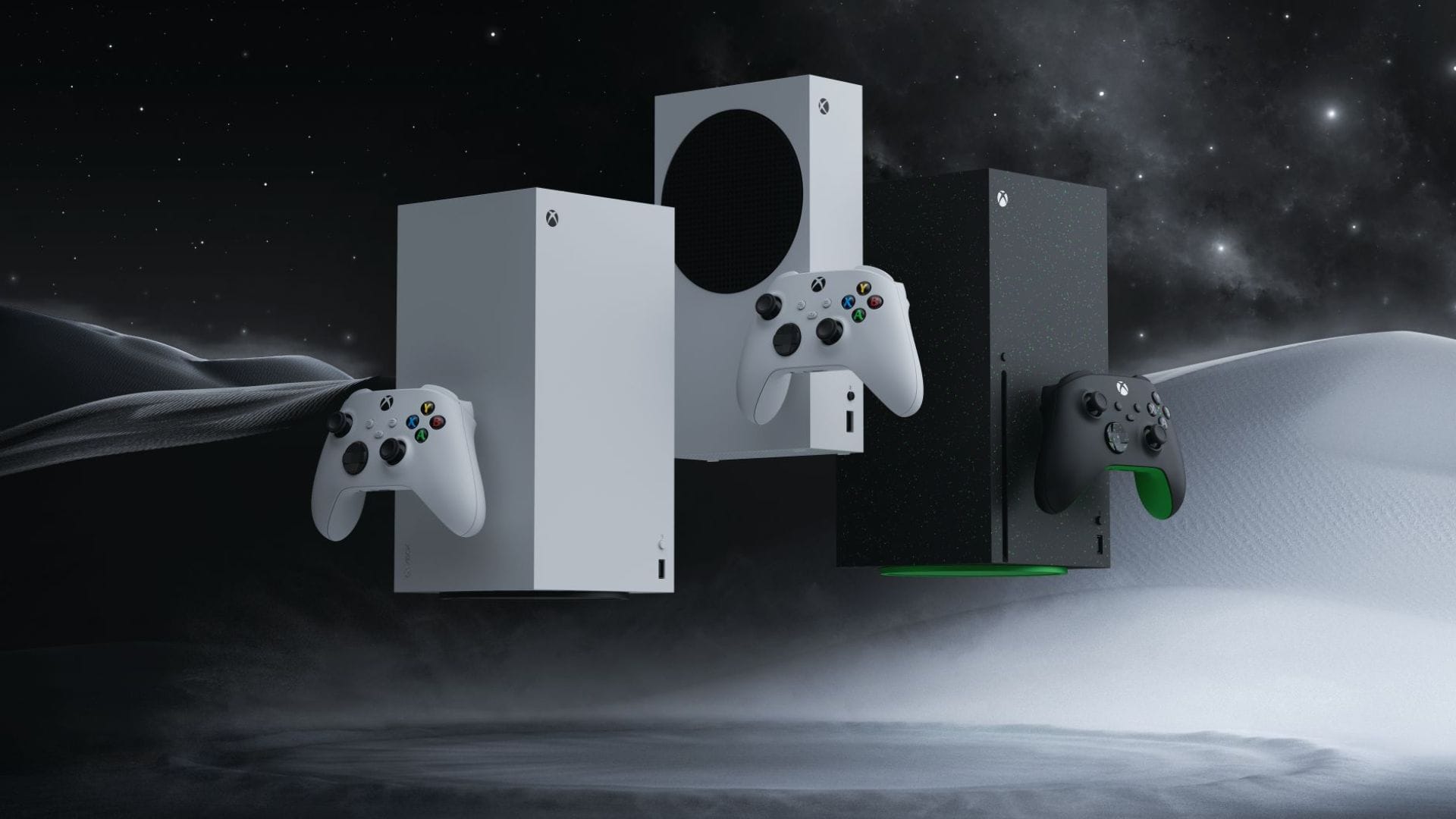
Microsoft has significantly increased the prices of its Xbox Series S and Series X consoles across the United Kingdom and the European Union, making the latest generation of Xbox hardware considerably more expensive for consumers. The updated pricing follows earlier increases introduced in the United States, where prices rose by between US$100 and US$150 depending on the model from 1 August.
The latest changes show that buyers in Europe are facing even larger price increases than those in the United States. Depending on the model, Xbox consoles now cost around US$173 to US$230 more in the European Union and approximately US$173 to US$226 more in the United Kingdom than before. The move comes as Microsoft continues to respond to rising production costs and ongoing pressure in the global memory and storage market.
European customers face the largest increases
Microsoft has updated its official Xbox Store pricing across European markets, confirming substantial increases for every current Xbox Series console. The revised prices affect both the more affordable Xbox Series S models and the premium Xbox Series X range.
The updated retail prices place the Xbox Series S (512GB) at about US$575, the Xbox Series S (1TB) at around US$690, the Xbox Series X Digital at approximately US$863 and the standard Xbox Series X at roughly US$920 in the European Union. In the UK, the same consoles are priced at around US$571, US$691, US$824 and US$890 respectively. These figures are approximate and based on current exchange rates.
Rising component costs continue to affect the gaming industry
Microsoft first announced plans to raise Xbox hardware prices in June, warning that higher manufacturing costs were affecting its gaming business. At the time, the company confirmed that US customers would see increases from 1 August, although European pricing had not yet been fully detailed.
The newly published prices indicate that European customers are experiencing steeper increases than those in the United States. While Microsoft has not provided a separate explanation for the larger increases in Europe and the UK, regional pricing is typically influenced by exchange rates, taxes, distribution costs and wider market conditions.
The company also noted in its June blog post that storage and memory prices are expected to rise significantly again, with costs potentially doubling. These components are among the most expensive parts used in modern gaming consoles, making them a major factor in overall manufacturing costs.
If those forecasts prove accurate, the latest increases may not be the last. Higher component prices could continue to place pressure on hardware manufacturers in the months ahead, particularly if supply chain challenges persist or demand for memory chips continues to grow.
Console makers continue to adjust prices
Microsoft is not the only gaming company increasing prices in response to rising production costs. Other major console manufacturers have also adjusted their pricing as the wider technology industry continues to deal with higher component costs and economic uncertainty.
Sony has recently increased prices for some PlayStation products in several markets, while Nintendo has also announced price rises affecting parts of its hardware business. Although each company has adopted its own pricing strategy, the changes reflect a broader trend across the gaming industry as manufacturers respond to increasing production expenses.
For consumers, the latest Xbox pricing means that buying a new console is now a far more expensive investment than before. Buyers considering an upgrade may now need to spend considerably more, particularly in Europe where the increases are the largest.
Despite the higher prices, Microsoft continues to position the Xbox Series S and Series X as central to its gaming ecosystem, alongside its Game Pass subscription service and cloud gaming platform. Whether consumers accept the higher costs or delay upgrading remains to be seen, particularly as competition among console makers continues, and economic pressures affect household spending.
The latest adjustments highlight how closely console pricing is tied to global manufacturing costs. With storage and memory prices expected to remain volatile, further price changes across the gaming industry cannot be ruled out.