


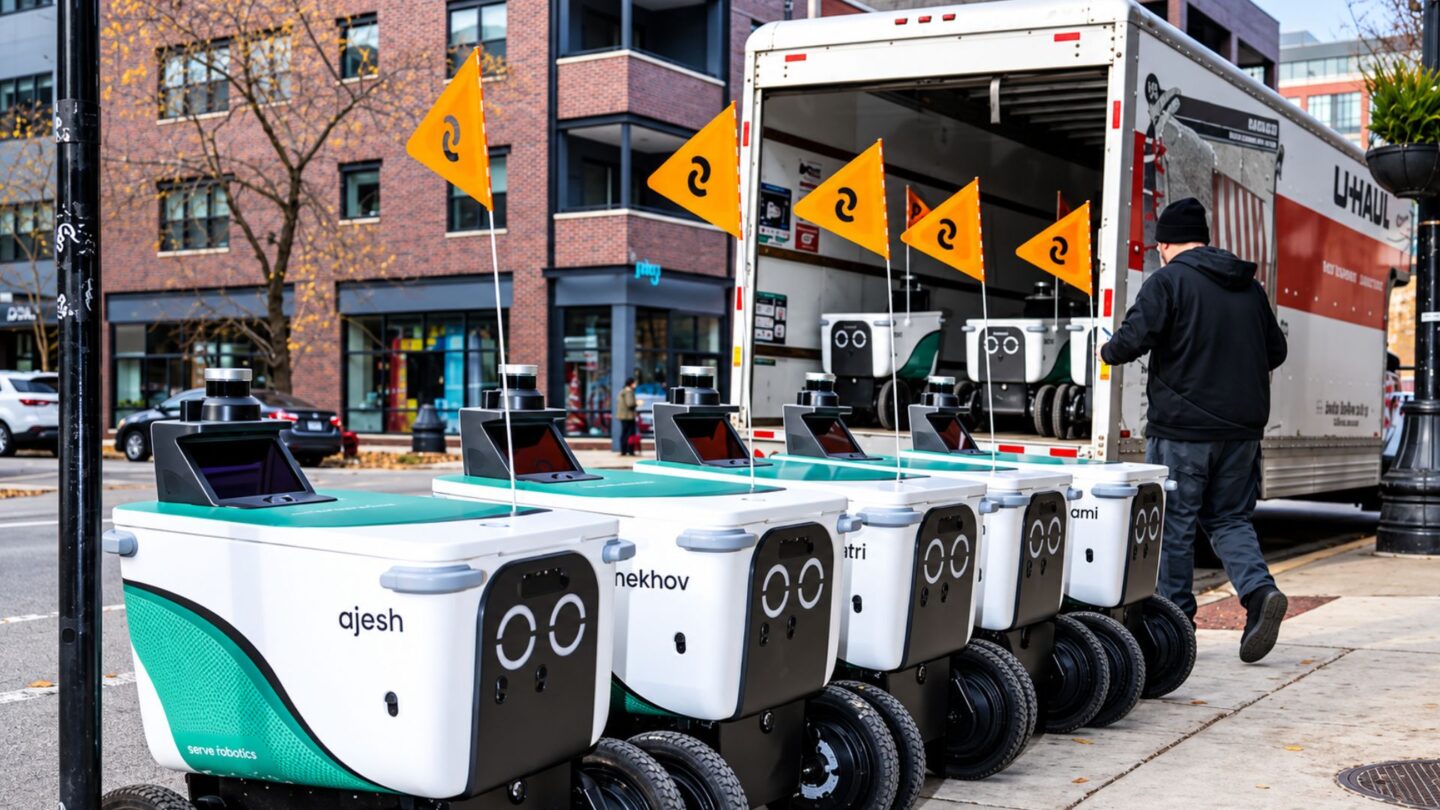
Two proposed class-action lawsuits filed in Chicago have raised privacy concerns about autonomous food delivery robots, with two residents alleging that machines operated by Coco Robotics and Serve Robotics collected facial and hand measurements without their consent.
The complaints, filed in Cook County, Illinois, on 9 October, allege violations of the state’s Biometric Information Privacy Act (BIPA). According to a report by The Associated Press, the plaintiffs claim that the robots’ cameras and light detection and ranging (LiDAR) sensors captured information about their physical features as they approached the machines to collect food orders. Both companies have denied the allegations.
The cases have renewed questions about how delivery robots collect, process and retain information in public spaces. While these machines are designed to transport orders along pavements and navigate around pedestrians, the technology they use to detect their surroundings has raised concerns about the potential collection of personal data.
The controversy comes amid wider scrutiny of surveillance technology in the United States. Flock Safety, a company that provides automated licence plate recognition and other surveillance systems, has faced criticism following a Washington Post investigation published on 21 October. The report described alleged misuse of its surveillance network by current and former police officers, including instances in which people were reportedly tracked for personal reasons.
Although the technology involved in the Flock controversy differs from that used by food delivery robots, both cases highlight concerns about how data collection systems can be used beyond their intended purposes. The Chicago lawsuits could clarify what protections consumers can expect when autonomous machines operate near their homes and in other public areas.
Lawsuits allege that delivery robots captured biometric information
One lawsuit concerns a DoorDash order delivered by a Coco Robotics machine. Plaintiff Mitchell Breidinger alleges he did not select robot delivery but still had to interact with the machine to collect his food.
According to the complaint, the robot captured measurements of his face, head and hands through its cameras and sensors. The lawsuit alleges that the technology recorded the geometry of these physical features, raising questions about whether the resulting information qualifies as protected biometric data under Illinois law.
The complaint also claims that a remote human operator monitored the delivery in real time. This allegation adds another dimension to the privacy concerns, raising questions about how much people may be observed while interacting with an autonomous delivery system.
The second lawsuit was filed by Barry Schain, who alleges that a Serve Robotics machine delivered an order placed through Uber Eats without his choosing that delivery method. His complaint claims that the company retained video footage and sensor data collected during the interaction.
Schain’s lawsuit also raises concerns about how the company might use that information after a delivery is completed. In particular, it questions whether the data could be used to train artificial intelligence systems or shared with third parties. These are allegations made in the legal complaint and have not been established as findings of fact.
Coco Robotics has rejected the claims, describing the allegations of biometric data collection in Chicago as without merit. The company says the information it shares consists of anonymous navigation data intended to improve sidewalk safety.
Serve Robotics has also disputed the allegations. The company says its machines use cameras and sensors to navigate safely and that its systems are not designed to identify individuals or create biometric profiles.
The lawsuits will need to establish whether the robots allegedly captured information within the scope of Illinois’ biometric privacy protections. They also raise questions about what information companies collect during routine deliveries and whether customers and nearby people receive sufficient notice of that collection.
Illinois privacy law could have wider implications
Illinois is among the US states with specific legal protections governing the collection and handling of biometric information. The Biometric Information Privacy Act sets requirements for private organisations that collect certain biometric identifiers or information, including rules on notification, consent, and data retention.
Under the law, covered companies must inform individuals in writing when they collect protected biometric information, explain the purpose of the collection, and state how long they will retain the information. They must also obtain written consent where the legislation requires it.
The complaints argue that the delivery robots’ facial and hand-geometry measurements fall within these protections. Whether the alleged data collection meets the legal definition of a biometric identifier or biometric information will be an important issue as the cases proceed.
The lawsuits also highlight the difference between collecting information to navigate a pavement and retaining data that could reveal details about an individual’s physical characteristics. Sensors may help robots avoid obstacles and recognise objects, but questions arise when the same systems capture information about identifiable people.
Another concern is that the people affected may not be limited to those who place orders. The complaints raise the possibility that pedestrians or other bystanders could have their physical features captured while passing a robot in a public area. If the claims are substantiated, the cases could prompt further scrutiny of how companies communicate their data practices to people who encounter their machines.
The allegations remain unproven, and the lawsuits do not establish that either company has violated the law. Their progress could nevertheless influence how autonomous delivery businesses design their systems, explain their data practices and determine what information they retain or share.
Chicago’s pilot programme for delivery robots is scheduled to expire in May 2027 unless city officials renew it. That deadline could let local authorities assess the benefits of automated deliveries alongside questions about privacy, pedestrian safety, and accountability.
As delivery robots become more visible in urban environments, legal disputes could spark a broader discussion about the safeguards needed for autonomous technology. The central issue is not simply whether robots can collect information while navigating public spaces, but whether that collection is necessary, transparent and consistent with the rights of the people they encounter.