


NVIDIA has announced its latest display innovation, G-Sync Pulsar, describing it as “the latest evolution of [its] pioneering VRR technology” during CES 2026. The company aims to address long-standing issues faced by gamers, particularly motion blur and visual stutter, which often appear when gameplay becomes fast and intense. By taking a different approach to how displays control their backlight systems, Nvidia is positioning G-Sync Pulsar as a significant step forward in gaming visuals.
Unlike traditional displays, which keep the backlight constantly active, G-Sync Pulsar introduces pulsed lighting that operates across multiple horizontal zones. These zones pulse from top to bottom, allowing each part of the display to light only when pixels are fully ready. NVIDIA explains that this gives each pixel time to stabilise before it is illuminated, which helps present each frame more sharply. As a result, the image appears clearer in motion, significantly reducing the blur players often see when panning quickly or tracking moving objects.
Improved clarity and smoother action for competitive players
With this new backlight system, Nvidia claims that G-Sync Pulsar can greatly improve perceived refresh performance. The company states that the technology can make motion clarity feel as though the refresh rate has effectively quadrupled. For example, a game running at 250 frames per second could feel visually similar to a display operating at more than 1,000 Hz, giving players a stronger sense of smooth movement and visual precision.
This level of clarity is particularly valuable in competitive gaming, where tracking opponents and reacting within split seconds can make the difference between winning and losing. Esports players may benefit from the steadier image and reduced blur, potentially improving focus and accuracy during gameplay. NVIDIA’s approach aims to ensure that even high-speed motion remains readable and controlled, without the visual smearing often associated with LCDs.
Beyond motion clarity, G-Sync Pulsar also works alongside Nvidia’s existing efforts to reduce stutter and screen tearing. By combining precise backlight timing with variable refresh rate technology, the company wants to create an experience that feels more natural to the eyes. The reduction in visual strain may help players stay comfortable for longer gaming sessions while enjoying a more stable, reliable picture quality.
First supported monitors and release timeline
NVIDIA revealed that the first wave of monitors designed with built-in G-Sync Pulsar support will begin arriving from 7 January. Several major manufacturers are participating in this launch, signalling strong industry interest in the new technology. Acer, AOC, ASUS, and MSI will each introduce a 27-inch display with a 2,560 × 1,440 resolution, combining competitive specifications with the latest Pulsar capability.
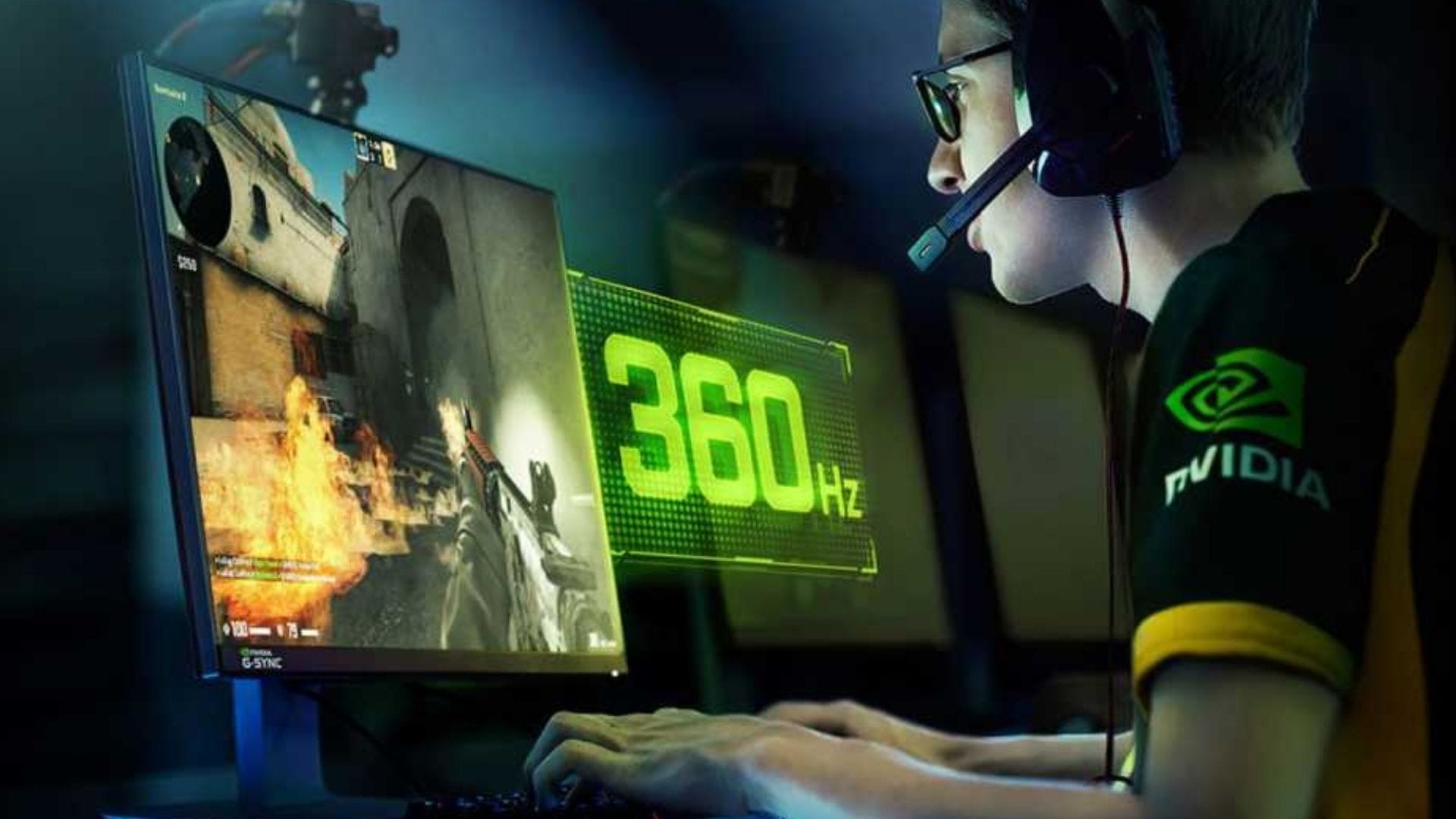
These upcoming monitors will also support Ambient Adaptive Technology, which automatically adjusts brightness and colour temperature depending on surrounding light conditions. This feature is intended to help users maintain comfortable viewing, whether gaming in bright rooms or darker spaces. In addition, each of the new displays is expected to deliver a 360Hz refresh rate along with up to 500 nits of peak HDR brightness, making them suitable for players seeking top-tier performance.
With these launches, Nvidia is not only introducing new technology but also reinforcing its role in shaping gaming display standards. As more manufacturers adopt G-Sync Pulsar, the company is likely to influence how future gaming monitors are designed and how competitive players judge display quality. For now, gamers will be watching closely to see how the technology performs in real-world conditions and whether it delivers the smooth, blur-free motion Nvidia has promised.