


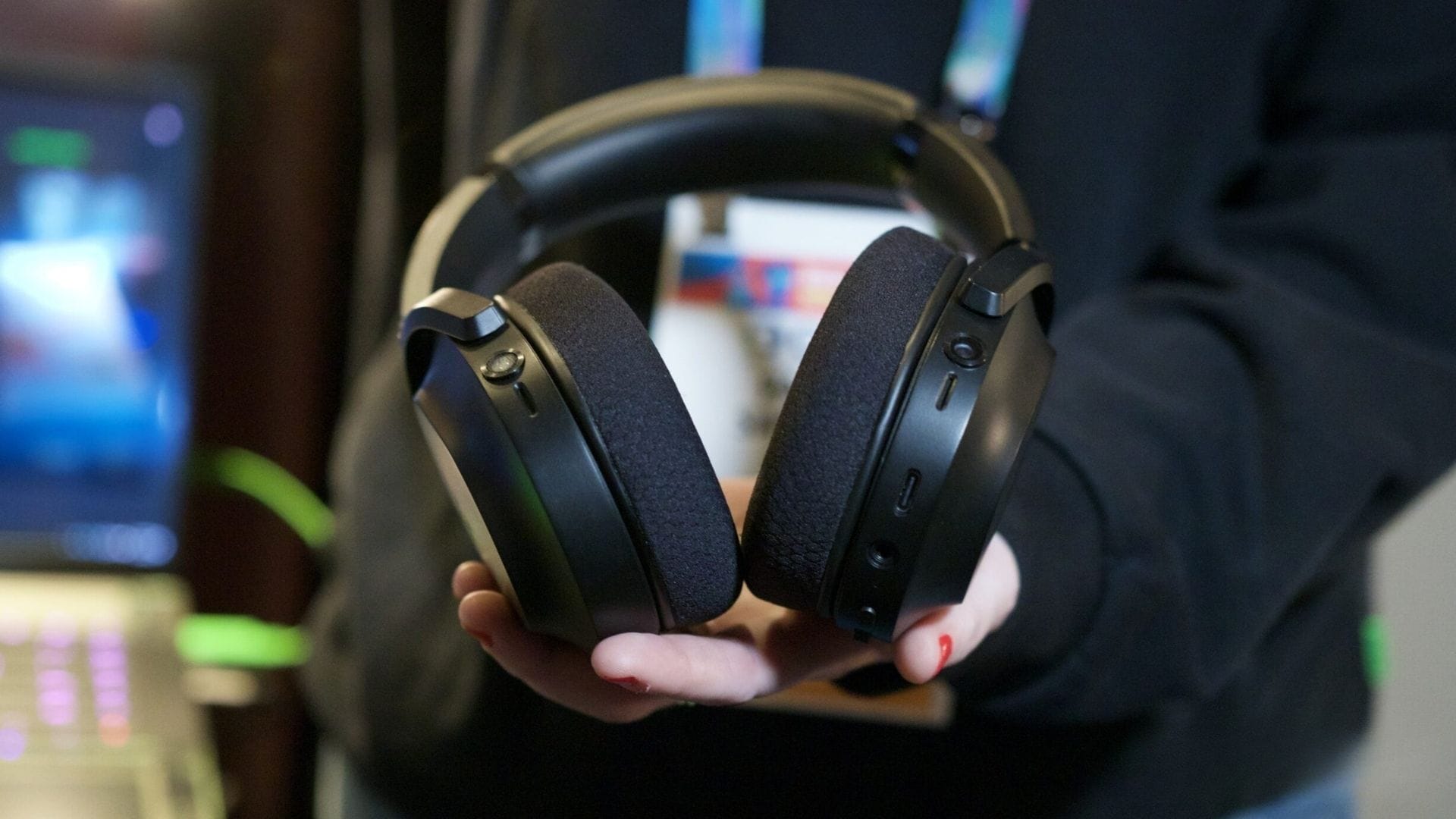
Razer has introduced Project Motoko, a concept device that aims to combine the functions of a gaming headset with the features of an AI wearable. Revealed on the CES show floor, the device highlights the company’s interest in pushing beyond traditional gaming accessories and exploring how artificial intelligence could fit into daily life. While the name may spark amusement among anime fans familiar with Ghost in the Shell, Razer’s focus remains on technological experimentation rather than cultural references.
Project Motoko is powered by Qualcomm’s Snapdragon technology, forming the foundation for its advanced processing and AI capabilities. The headset is equipped with first-person view cameras positioned at eye level, allowing it to recognise objects and text in real time. Razer explained that these cameras also provide a wide field of attention, enabling the device to detect activity that may fall outside a user’s normal peripheral vision. In addition, it includes a multi-directional microphone array that can capture both nearby and distant sound, suggesting potential uses beyond gaming alone.
Nick Bourne, Razer’s global head of mobile console division, described the device as a forward-looking concept rather than a simple design exercise. “Project Motoko is more than a concept, it’s a vision for the future of AI and wearable computing,” he said when introducing the headset. He added that the partnership with Qualcomm was key to shaping the project’s direction and building a system that could blend gaming with everyday use in a meaningful way. According to Bourne, “By partnering with Qualcomm Technologies, we’re building a platform that enhances gameplay while transforming how technology integrates into everyday life. This is the next frontier for immersive experiences.”
Designed as both a gaming headset and an AI companion
Beyond its ability to analyse the environment, Project Motoko has also been designed to operate as a wearable AI assistant. Razer stated that the concept model can integrate with well-known AI platforms, including Grok, OpenAI and Gemini. This means users could interact directly with different chatbot systems through the headset, extending its role from an entertainment device to a productivity tool. If further developed, this could enable the headset to support tasks such as information retrieval, voice commands, and real-time contextual assistance.
Razer’s interest in AI reflects the broader direction of the consumer technology industry, where wearable devices are increasingly expected to offer more than single-purpose functions. Instead of being limited to gaming sessions, Project Motoko is designed to be worn throughout the day, offering situational awareness and digital assistance while maintaining gaming performance. The combination of visual input, sound capture and AI processing suggests an attempt to create a more immersive and responsive user experience.
However, as a CES concept product, Project Motoko remains an experimental showcase rather than a confirmed consumer device. Razer made it clear that there are currently no commercial release plans for the headset. The company instead views the project as a demonstration of what future wearable computing might look like, while also testing how audiences respond to the idea of merging lifestyle technology with gaming features. For now, it serves as an ambitious illustration of where the company believes AI-driven gaming and wearable tech may eventually meet.
Exploring possibilities rather than promising a release
Concept products such as Project Motoko often appear at CES to show potential directions rather than finished solutions, and Razer’s approach fits within that tradition. The device highlights how gaming companies are increasingly exploring ways to reach beyond their established audience. Razer is widely recognised for its focus on serious gamers. Still, Project Motoko indicates a willingness to develop technology that could appeal to a broader group of users interested in AI-powered tools, even if that audience still leans towards tech enthusiasts.
The interest around Project Motoko also reflects the rapid rise of AI integration in consumer electronics. By experimenting with AI capabilities in a headset form, Razer is testing a concept that combines gaming, communication, and environmental awareness into a single wearable platform. Whether such a device becomes mainstream remains uncertain. Still, its presence at CES demonstrates how companies are preparing for a future in which AI support may become a standard element in personal technology.
While many viewers may appreciate Project Motoko as an exciting idea, it also serves as a glimpse of how immersive technology could develop in the coming years. Razer’s decision to place AI at the centre of the design underlines how central intelligent processing has become to innovation in gaming hardware. Even without a confirmed launch date, the concept suggests that the next phase of gaming headsets may go well beyond sound quality and comfort, moving toward devices that actively see, interpret and respond to the world around the user.