

Sony Interactive Entertainment is closing Bluepoint Games, the studio best known for remakes of Shadow of the Colossus and Demon’s Souls, according to a report by Bloomberg. The move marks another restructuring step for the PlayStation business as it reassesses its portfolio and long-term strategy.
Bluepoint’s last major release was God of War: Ragnarok in 2022, which the studio co-developed with Sony Santa Monica. The closure is expected to take effect in March and will result in job losses for roughly 70 staff members. Sony confirmed the decision followed a recent business review, although it did not provide further details on the factors behind the shutdown.
In a statement, Sony praised the team’s technical achievements and contribution to the PlayStation platform. “Bluepoint Games is an incredibly talented team, and their technical expertise has delivered exceptional experiences for the PlayStation community,” the company said. “We thank them for their passion, creativity and craftsmanship.”
A studio known for technical excellence
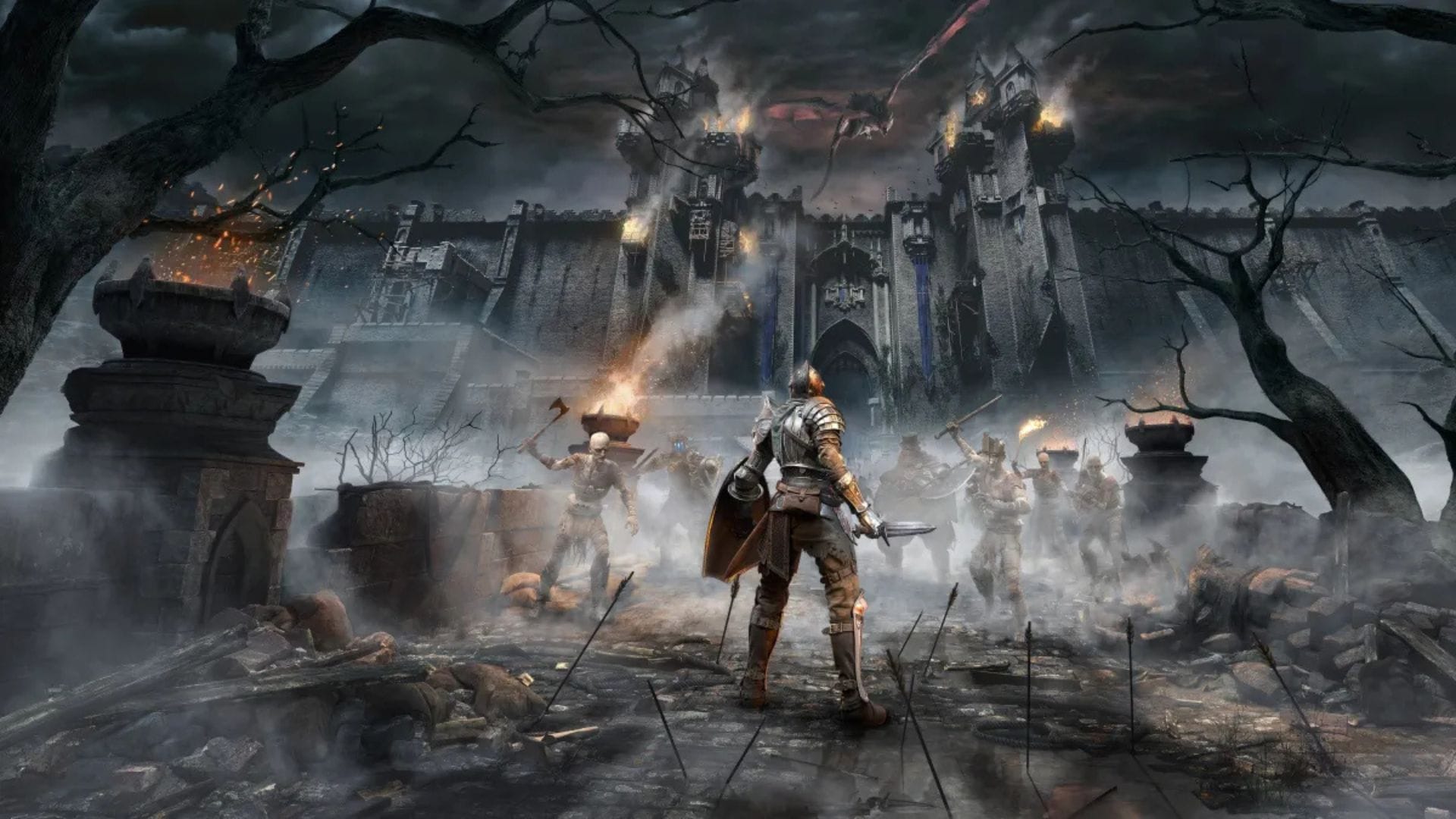
Bluepoint Games built a reputation for high-quality remakes and remasters, often praised for preserving the spirit of classic titles while updating them for modern hardware. The studio gained particular recognition for its 2018 remake of Shadow of the Colossus and its 2020 remake of Demon’s Souls, which was a launch title for the PlayStation 5.
The company’s expertise in reworking legacy titles made it a valuable acquisition for Sony when it bought Bluepoint in 2021. At the time, Sony suggested the studio would play a key role in bringing classic PlayStation franchises to new audiences. The acquisition was seen as part of a broader push to strengthen Sony’s first-party development capabilities and expand its portfolio of premium single-player experiences.
After joining Sony, Bluepoint contributed to God of War: Ragnarok, one of the PlayStation 5’s flagship releases. The studio’s involvement highlighted its ability to work on large-scale, modern projects beyond remakes. Industry observers expected Bluepoint to continue working on high-profile projects, potentially including new intellectual property or further modernised versions of legacy franchises.
Live-service ambitions and cancellations
Following its work on Ragnarok, Bluepoint was reportedly assigned to develop a live-service title set in the God of War universe. That project was cancelled in 2025, alongside another live-service game in development at Bend Studio. The cancellations reflected growing uncertainty around Sony’s ambitions in the live-service market.
Sony’s push into live-service games has faced multiple setbacks. The multiplayer shooter Concord was shut down just two weeks after its release, and Sony later closed Firewalk Studios, the developer behind the title. These developments raised questions about the company’s strategy for online and persistent games, particularly given its historic strength in narrative-driven single-player titles.
The decision to close Bluepoint appears linked to these broader shifts. Analysts suggest that Sony’s rapid pivot towards and subsequent retrenchment from live-service development created instability for several studios. While some teams were encouraged to experiment with online features and ongoing monetisation models, the strategy’s mixed results have prompted a reassessment of resources and priorities.
Ongoing strategy and industry implications
Despite recent closures and cancellations, Sony continues to invest in a mix of single-player and online experiences. Guerilla Games recently announced an online co-op project set in the Horizon universe, signalling continued interest in expanding established franchises into multiplayer formats. Bungie, which Sony acquired in 2022, is preparing to release its extraction shooter Marathon in March, further underlining its commitment to live-service experiments.
The closure of Bluepoint highlights the challenges facing major publishers as they balance traditional premium releases with ongoing online services. Live-service development typically requires sustained investment and carries significant risk, particularly in a competitive market dominated by a small number of long-running titles. For studios traditionally focused on single-player or remake projects, the transition can be particularly difficult.
For Sony, the loss of Bluepoint removes a specialised team known for high-end technical craftsmanship and faithful reinterpretations of classic games. It also raises questions about the future of remakes and remasters within the PlayStation portfolio, especially as nostalgia-driven projects continue to perform strongly with players.
The wider games industry is also likely to closely watch Sony’s restructuring. Layoffs and studio closures have become more common across major publishers as development costs rise and market conditions fluctuate. Bluepoint’s shutdown adds to a growing list of studios affected by shifting corporate priorities and the uncertain economics of live-service development.
While Sony has not indicated whether other studios may face similar reviews, the move suggests a more cautious approach to investment and a renewed focus on projects with clearer commercial prospects. As the PlayStation business continues to evolve, the closure of Bluepoint stands as a reminder of how quickly strategies can change, even for highly regarded development teams.