

The upcoming narrative adventure game Mixtape is set to explore the small but meaningful moments of teenage life, focusing on friendship, music and the awkward transition into adulthood. Rather than centring on a grand mystery or a heroic quest, the game places everyday experiences at the heart of its story, presenting them as vivid, playable memories.
Developed by Australian studio Beethoven and Dinosaur and published by Annapurna Interactive, Mixtape follows a group of friends in the 1990s as they spend their final days together before moving on to new chapters in their lives. The project marks a shift from traditional adventure game themes, aiming instead to create a digital hangout that reflects the emotional highs and lows of adolescence.
A tribute to 1990s youth culture and storytelling
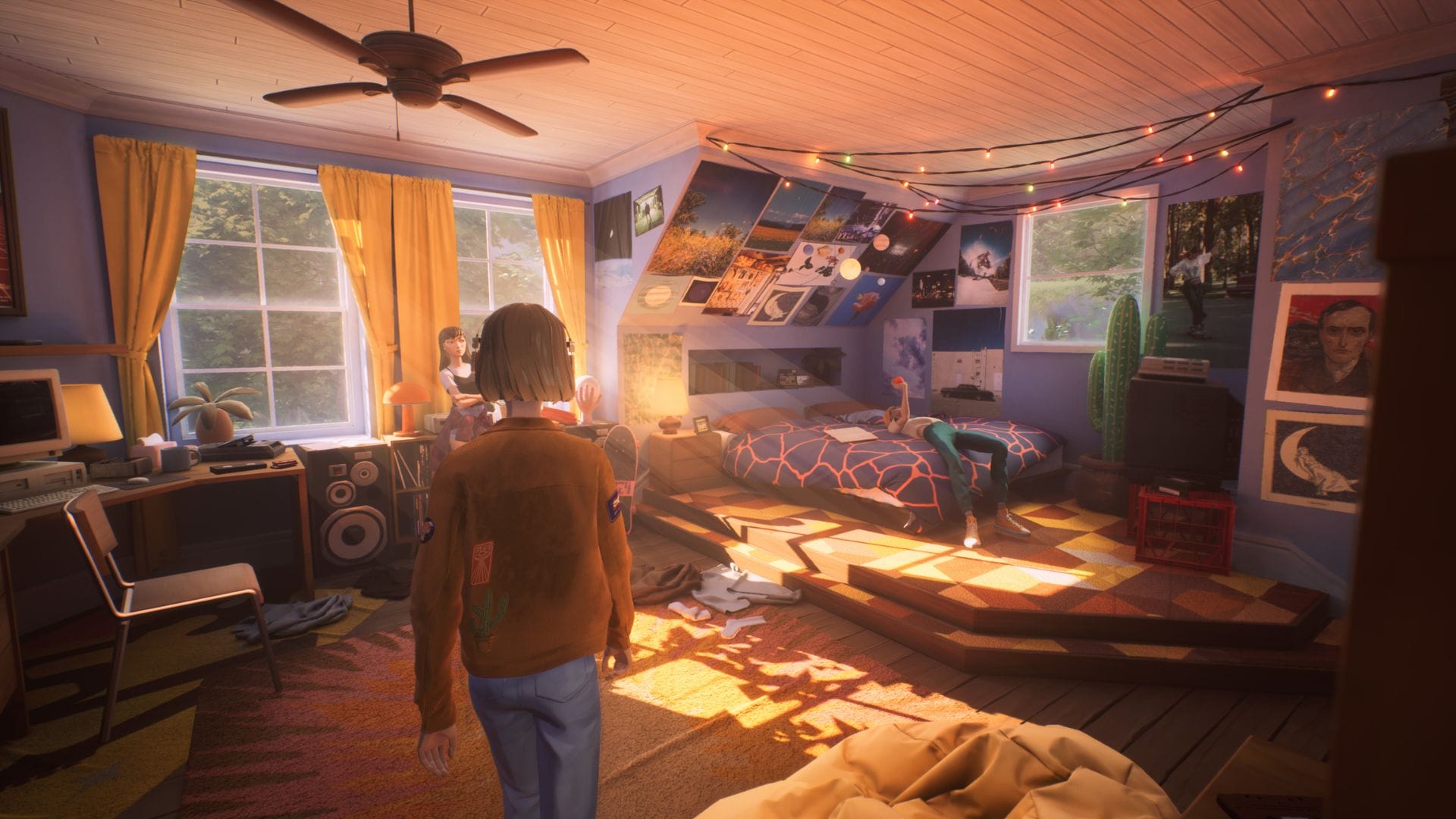
Mixtape is set in a stylised version of 1990s suburbia, where the protagonist, Rockford, and her friends, Slater and Cassandra, prepare for a final adventure before adulthood pulls them in different directions. Rockford plans to move to New York City in the hope of connecting with her musical idol, prompting the group to reflect on shared memories, youthful rebellion and the fleeting nature of teenage freedom.
The developers describe the game as a tribute to 1990s Americana and the rebellious spirit often associated with suburban youth culture. Players will relive memories through interactive sequences inspired by classic films and the era’s music. The soundtrack features bands such as Devo, Joy Division, and Siouxsie and the Banshees, reinforcing the story’s nostalgic tone and emotional weight.
Game director Johnny Galvatron said the team wanted to focus on the quieter, often overlooked aspects of teenage life, including moments of boredom and aimlessness. “Idleness is hard to explore as a video game, and one of the interesting things about being a teenager is you just hang out a lot, and sometimes it just sucks,” he said. “So I love that we made a game that shows that idleness.”
He added that balancing the pacing of a hangout-focused narrative with engaging gameplay was a significant challenge. “I think it can be a really hard balance to make something that is based on what is really a hangout film, something like Wayne’s World or Richard Linklater’s Dazed and Confused, but to have that be paced well and to be exciting for a video game was a real challenge,” he said.
Playable memories and emotional moments
Mixtape presents its story through a series of interactive memories that function as mini-games and interludes. These segments are designed to feel larger than life, reflecting how youthful memories often become exaggerated over time. The developers use a mix of stylised visuals, music and cinematic techniques to evoke both humour and melancholy.
One example is a sequence in which friends drive across town for late-night fast food, with players controlling head-bobbing and fist-pumping actions to the music. The scene is intentionally directionless, encouraging players to relax and immerse themselves in the mood rather than focus on objectives. The segment references classic film techniques, including rear-projection driving scenes reminiscent of Pulp Fiction, adding a playful layer of nostalgia.
Another memory takes place in a photo booth, where players help Rockford and Slater capture candid and humorous snapshots. These moments aim to highlight the awkward charm of teenage friendships and first crushes, offering light-hearted gameplay alongside character development.
However, the game also explores more serious themes. In one segment, the friends prank their school principal by covering their house in toilet paper, only for the situation to escalate when one character takes the blame to protect Rockford from expulsion. The scene foreshadows deeper conflicts within the group and demonstrates the emotional stakes beneath their carefree exterior.
Mixtape also adopts a mixed-media visual style that blends in clips inspired by television and film, creating what the developers describe as a “liquid television” aesthetic. Rockford occasionally addresses the player directly, echoing the self-aware narration style popularised by films such as Ferris Bueller’s Day Off. This approach aims to reinforce the game’s themes of memory, storytelling and media influence during the MTV era.
Potential for adaptation and release plans
With video game adaptations gaining popularity in film and television, Galvatron confirmed that discussions about a possible Mixtape adaptation have already taken place. He acknowledged that Annapurna Interactive’s involvement in both gaming and film makes such conversations natural, though he expressed caution about direct involvement.
“Obviously, Annapurna is also a film company, and they have those kinds of connections, and let me tell you, those meetings are fun as fuck,” he said. “When people pitch you stuff, it’s super cool. I would say that, yes, I can see it coming. I would probably be totally hands-off on it.”
He also emphasised that adaptations should respect the differences between interactive and cinematic storytelling. “When you develop video games, you should be changing them to work better within the medium,” he said. “I think when they try to adhere too closely to the way a game works, that can sometimes break down. But yeah, I think if there were to be some adaptation stuff for Mixtape, probably, and I will stay clear of it.”
Mixtape is scheduled for release on PC, PlayStation 5 and Xbox Series X|S later this year. The developers hope the game will resonate with players who grew up in the 1990s, as well as younger audiences curious about the era’s music and culture. By focusing on everyday experiences rather than epic quests, the title aims to offer a reflective and emotionally driven alternative within the narrative adventure genre.