


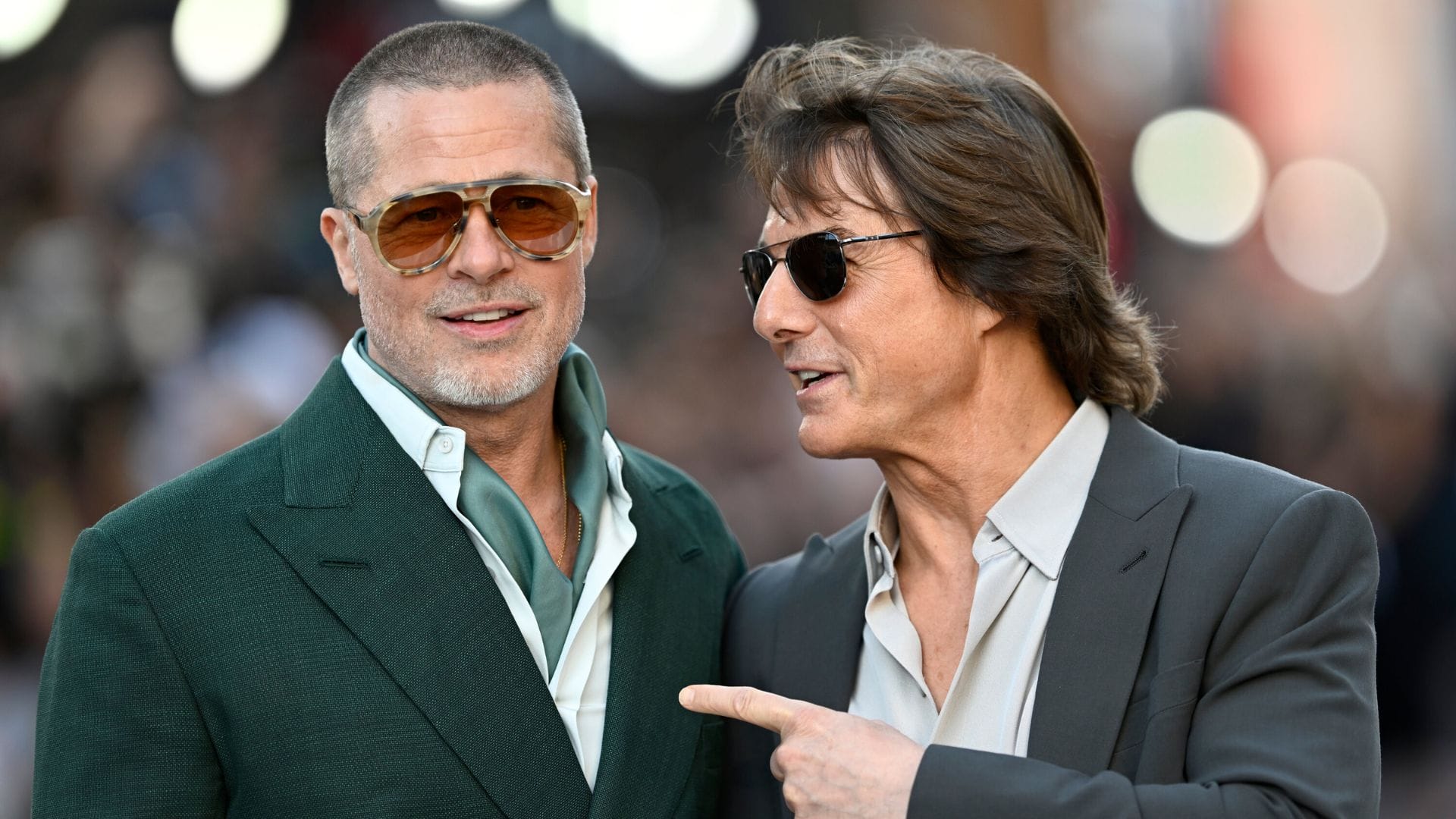
ByteDance has pledged to strengthen safeguards around its new AI video generator after a viral clip depicting actors Tom Cruise and Brad Pitt in a fictional fight triggered widespread criticism and legal concerns. The short video, created using the company’s recently launched Seedance 2.0 tool, spread quickly across social media and angered artists and rights holders who argued that the technology enables the unauthorised use of copyrighted material and personal likenesses.
The Chinese technology firm released Seedance 2.0 less than a week before the controversy erupted, positioning the tool as a powerful way for users to generate realistic video content from text prompts. However, the Cruise versus Pitt clip reignited debate about the ethics and legality of generative AI, particularly as the content appeared without the actors’ consent and blurred the line between parody and unauthorised commercial use.
In response to growing criticism, ByteDance said it would take steps to prevent misuse of the technology. However, it declined to provide detailed information on how those measures would be implemented.
ByteDance responds to intellectual property concerns
In a statement to the BBC, ByteDance said, “We are taking steps to strengthen current safeguards as we work to prevent the unauthorised use of intellectual property and likeness by users.” The company added that it “respects intellectual property rights, and we have heard the concerns regarding Seedance 2.0.”
The company’s comments reflect mounting pressure on AI developers to address copyright and personality rights as generative tools become more advanced. Critics argue that realistic AI-generated videos can mislead audiences, harm reputations, and undermine creative industries that rely on licensing and royalties.
Despite the pledge, ByteDance has not clarified what technical or policy changes it plans to introduce. When asked for more details, the company did not respond, leaving questions about how it will detect and prevent the use of copyrighted characters and celebrity likenesses in user-generated content.
Legal experts say that enforcing such safeguards could be challenging, particularly when users generate content privately or share it across multiple platforms. They also warn that global regulations on AI-generated media remain fragmented, which complicates enforcement across jurisdictions.
Disney issues cease-and-desist letter over alleged infringement
The controversy intensified after the Walt Disney Company sent a cease-and-desist letter to ByteDance on Friday, alleging that Seedance 2.0 relies on unauthorised copyrighted material. Disney claimed the tool uses “a pirated library of Disney’s copyrighted characters from Star Wars, Marvel, and other Disney franchises, as if Disney’s coveted intellectual property were free public domain clip art.”
According to the letter, Disney included example videos generated by the tool that featured its copyrighted characters, including Spider-Man and Darth Vader. The company argued that such content demonstrates systemic infringement rather than isolated user behaviour, and it demanded that ByteDance address the issue immediately.
Disney’s move underscores the growing tension between major entertainment companies and AI developers. Studios fear that generative tools trained on copyrighted material could undermine licensing revenue and lead to widespread unauthorised use of popular characters and brands.
ByteDance has not publicly addressed Disney’s specific allegations, and it is unclear whether the company will negotiate with rights holders or challenge the claims. Analysts say the outcome could set an important precedent for how AI companies handle training data and generated content that references protected intellectual property.
Wider implications for AI-generated media
The Seedance 2.0 incident highlights broader concerns about the rapid rise of AI-generated media and its potential impact on society. As tools become capable of producing realistic videos of real people, critics warn of risks such as misinformation, deepfakes, and reputational harm.
Artists and creative professionals have also expressed frustration, arguing that AI systems often learn from copyrighted material without permission or compensation. Many are calling for stronger regulation, clearer consent frameworks, and mechanisms to ensure creators are paid when their work is used to train AI models.
Governments and regulators around the world are beginning to explore rules for generative AI, but progress has been uneven. Some jurisdictions are considering mandatory labelling of AI-generated content, while others are debating whether existing copyright and privacy laws are sufficient to cover synthetic media.
For ByteDance, the controversy arrives at a time when technology companies are racing to release new AI tools amid intense competition. The firm’s promise to tighten safeguards may reassure some stakeholders, but critics say meaningful action will require transparency about training data, clearer user policies, and robust detection systems.
As generative AI becomes more embedded in everyday content creation, the Seedance 2.0 episode may serve as an early test case for how companies, rights holders, and regulators navigate the complex intersection of technology, creativity, and law.