


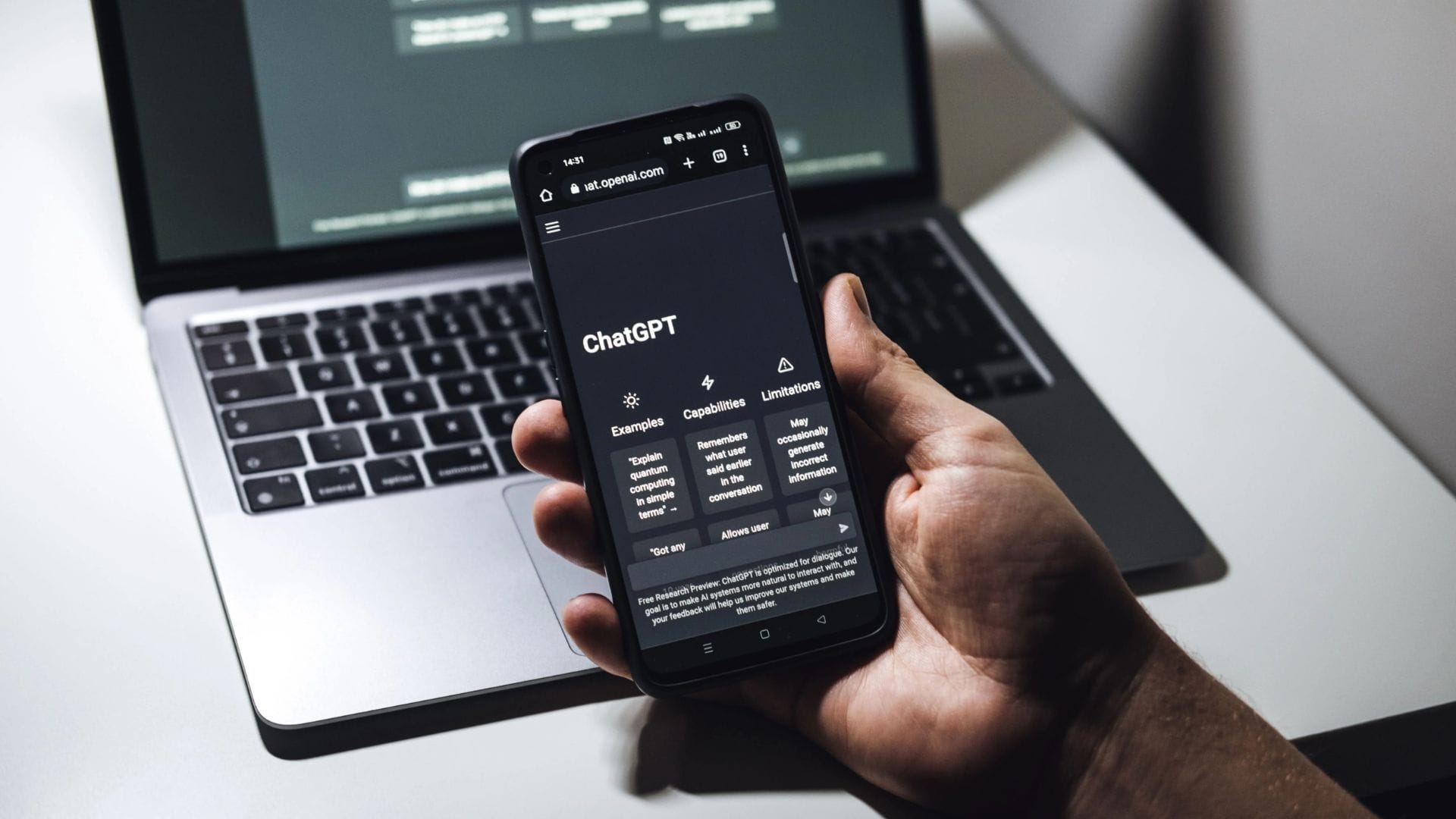
OpenAI has begun rolling out a new version of ChatGPT designed specifically for teenagers, introducing stricter safety controls and features intended to encourage learning. The company says ChatGPT for Teens will become the default experience for users it believes are under 18, without requiring a separate account.
The rollout comes as OpenAI faces growing scrutiny over how artificial intelligence chatbots interact with young people. The company announced last year that it was developing technology to identify teenage users automatically and apply additional restrictions. Nearly a year later, that system is being used as part of a broader approach focused on both education and online safety.
ChatGPT puts greater focus on learning
ChatGPT for Teens is built around two main areas: learning and safety. On the education side, OpenAI is bringing together several features introduced over the past year to make the chatbot more useful as a learning tool. One of the main features is Study Mode, which uses a Socratic approach to guide students towards solving problems rather than simply providing an answer.
Study Mode does not automatically become the default for every teenage user. However, OpenAI is adding several features intended to encourage young people to use it while studying. Starter prompts, which the company says teenagers already use heavily, will be tailored towards learning and are expected to change over time.
Another new feature is Study Hours, which can automatically activate Study Mode during specific periods. Teenagers can choose their own schedules, while parents can also set them through a linked account. ChatGPT will additionally attempt to recognise when a young user appears to be avoiding homework and encourage them to switch to Study Mode.
“We’ve had Study Mode in the field in several randomised controlled trials and are seeing positive gains in performance,” said Lauren Jonas, OpenAI’s head of youth and families. She did not provide specific figures from those trials, but said their results are helping shape the company’s wider approach to education.
OpenAI has also improved ChatGPT’s ability to create visual explanations. The company first introduced this capability in March, when it supported more than 70 subject areas. That number has now grown to more than 300, covering topics including integrals, mitosis and the phases of the Moon.
Stricter boundaries and parental controls
Safety is another major part of the new teenage experience. OpenAI says ChatGPT will be less likely to encourage users to view it as a person or form a relationship with it. The company is introducing stricter rules that prevent the model from describing itself as a friend, claiming to have personal feelings, or suggesting that it is sentient.
“We’re adding stricter restrictions on relational boundaries: the model shouldn’t call itself a friend, suggest it has personal feelings, or suggest sentience,” Jonas said. Break reminders will also be adjusted to reinforce that ChatGPT is an AI tool and that users do not need to respond immediately. These reminders will appear more frequently for teenage users.
Teenagers and their parents will also be able to establish quiet hours during which ChatGPT cannot be accessed. OpenAI is also adding new customisation options specifically for the teenage experience. Jonas said these features allow users to “personalise the experience, without blurring the line between it being a useful tool and anything resembling a human relationship.” Options include features such as wallpapers.
The company is also expanding its parental safety notifications. OpenAI previously said parents with linked teen accounts could be notified when their child was removed from ChatGPT for violating policies involving violent threats. The system is now being expanded to cover conversations involving eating disorders and other serious self-harm concerns.
“We notify parents via text, in-app, and email. Full-time OpenAI employees review all flagged content before a parent is notified, and we aim to notify parents within an hour of the prompt,” Jonas said.
Age detection remains a key challenge
OpenAI’s age detection system will play an important role in determining who receives the teenage experience. However, the company has not provided detailed results showing how accurately the system identifies users under 18. Age verification and age estimation have proved difficult for other online platforms, and some young users have found ways around existing safeguards.
That challenge could become particularly important as teenagers increasingly use AI chatbots for schoolwork, entertainment and personal conversations. OpenAI’s new restrictions are intended to reduce potential risks while continuing to give young people access to the technology.
Jonas acknowledged that the new system is only the beginning of OpenAI’s efforts to protect teenage users. “Safety work is never finished; it’s something we work on 24/7, 365 days a year, constantly learning and improving,” she said. “Teens should have access to this technology, but in a safe way — and that access creates real opportunity.”
OpenAI is beginning the global rollout of ChatGPT for Teens and expects to complete the process within the next two weeks. The company is expected to continue refining its age detection, educational features and parental controls as more teenagers begin using the new experience.