


Roblox has released an open beta version of a new creation toolset designed to help users generate interactive 3D content using artificial intelligence. The company describes the system as a “4D” creation tool, although it does not involve a fourth physical dimension. Instead, the term refers to 3D objects that can move, respond and interact with players in real time.
The new tool builds on an open-source AI model launched by Roblox early last year, which allowed developers to generate static 3D objects through text prompts. With the latest update, the platform is aiming to make those objects functional rather than decorative. Users can now create items that obey in-game physics and respond dynamically to player actions.
Roblox said the goal of the new system is to lower the technical barrier to game development on the platform. By allowing creators to describe what they want in plain language, the company hopes more users will be able to build complex experiences without advanced coding or design skills. The open beta marks the first time these interactive tools have been made widely available to the Roblox community.
Interactive objects arrive with early limitations
Despite the promise of the new technology, the current beta version is limited in scope. Users can only choose from two basic templates when generating objects. These include vehicles and solid 3D items such as boxes or sculptures, restricting the variety of content that can be produced at this stage.
The vehicle template is the more advanced of the two. Cars generated with the tool are fully drivable in Roblox experiences and are composed of five separate components. Each part functions independently, allowing wheels to spin and doors to open and close. According to the company, the system applies realistic physics, meaning cars believably respond to terrain and movement.
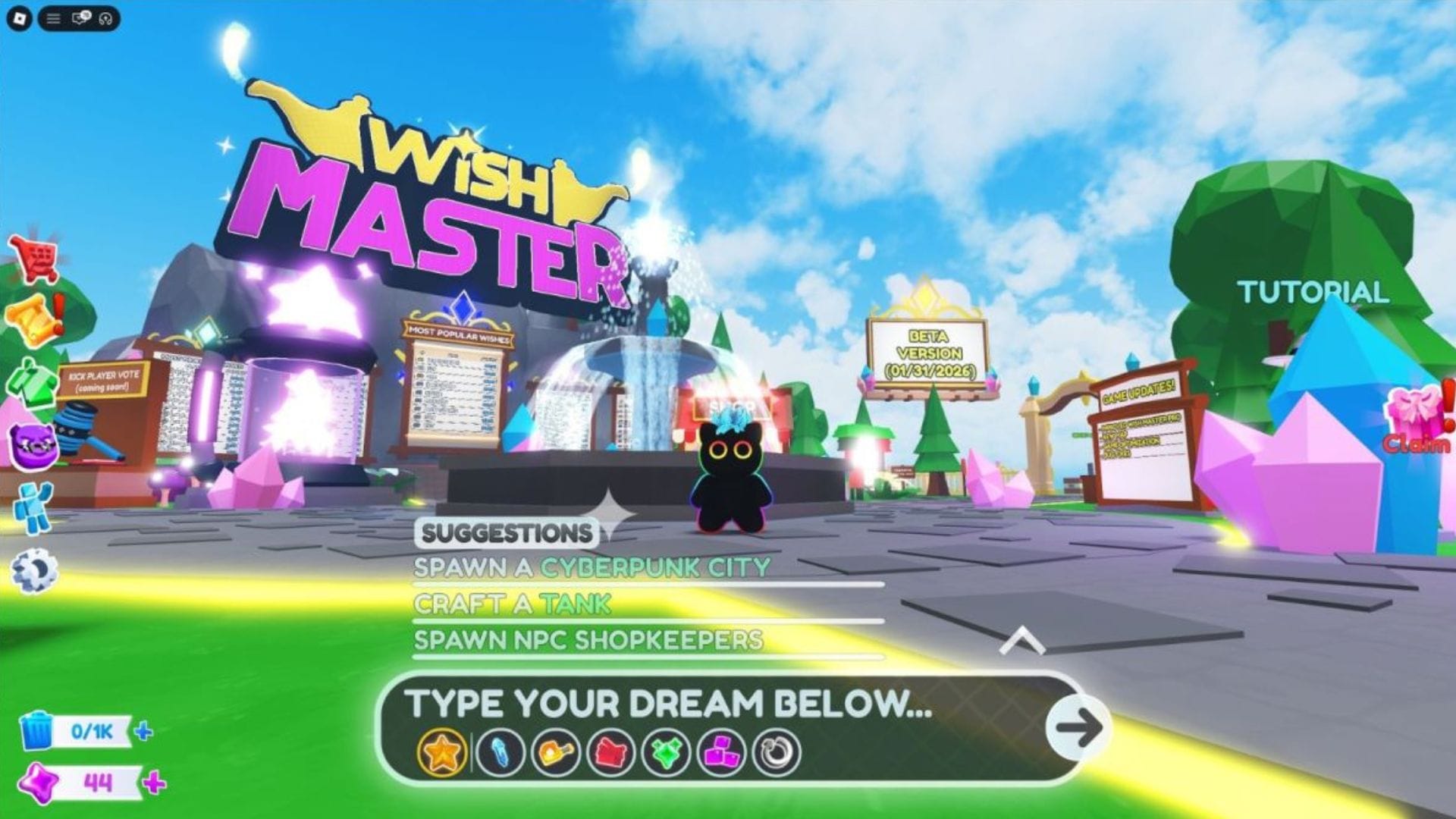
Roblox said this level of physical accuracy could encourage a new wave of user-generated racing and driving games. Although the beta does not yet support aircraft or other complex machines, at least one existing game on the platform has already begun experimenting with the technology. A title called Wish Master allows players to generate cars, planes and other objects using the new system, offering an early look at how the tools could be used creatively.
For now, creators cannot design their own templates, but Roblox confirmed that this capability is planned for the future. The company has not shared a timetable for introducing broader customisation options. It also said it is working on technology that would allow users to generate 3D models from reference images, rather than solely from text prompts.
Launch comes amid safety and regulatory pressure
The open beta release comes at a challenging time for Roblox, which has faced growing scrutiny over child safety on its platform. In recent months, the company has been the subject of lawsuits and regulatory investigations related to how it protects younger users from harmful content and interactions.
In response to these concerns, Roblox introduced mandatory facial verification for access to chat features. The measure was intended to prevent underage users from entering adult conversations, but reports suggest the system has struggled with accuracy and reliability. Some users have complained of being locked out of features even though they meet the age requirements.
The controversy has also led to more decisive action in certain regions. Several countries have moved to restrict or ban access to Roblox altogether, citing concerns about child protection and online safety. These developments have placed pressure on the company to demonstrate that it can innovate responsibly while safeguarding its predominantly young audience.
Against this backdrop, the launch of the 4D creation tools highlights Roblox’s continued focus on expanding its creator ecosystem. The company appears keen to show that it can push technical boundaries while maintaining its position as a leading platform for user-generated games and experiences. Whether the new tools will gain widespread adoption may depend on how quickly Roblox can expand its capabilities and address the wider challenges facing the platform.