

Samsung is stepping up its ambitions in robotics, but the company’s immediate focus is on developing machines for industrial use rather than creating humanoid robots for consumers. While Samsung has identified humanoid robotics as an important long-term goal, its latest efforts are centred on supporting manufacturing operations with advanced automation.
The company’s newly established RX robotics division, led by its chief executive, is expected to concentrate first on robots designed for factory environments. Although Samsung has confirmed that humanoid robots remain a strategic priority, it has not announced a commercial product or explained how such machines fit into the division’s short-term plans.
Samsung focuses on industrial robotics strategy
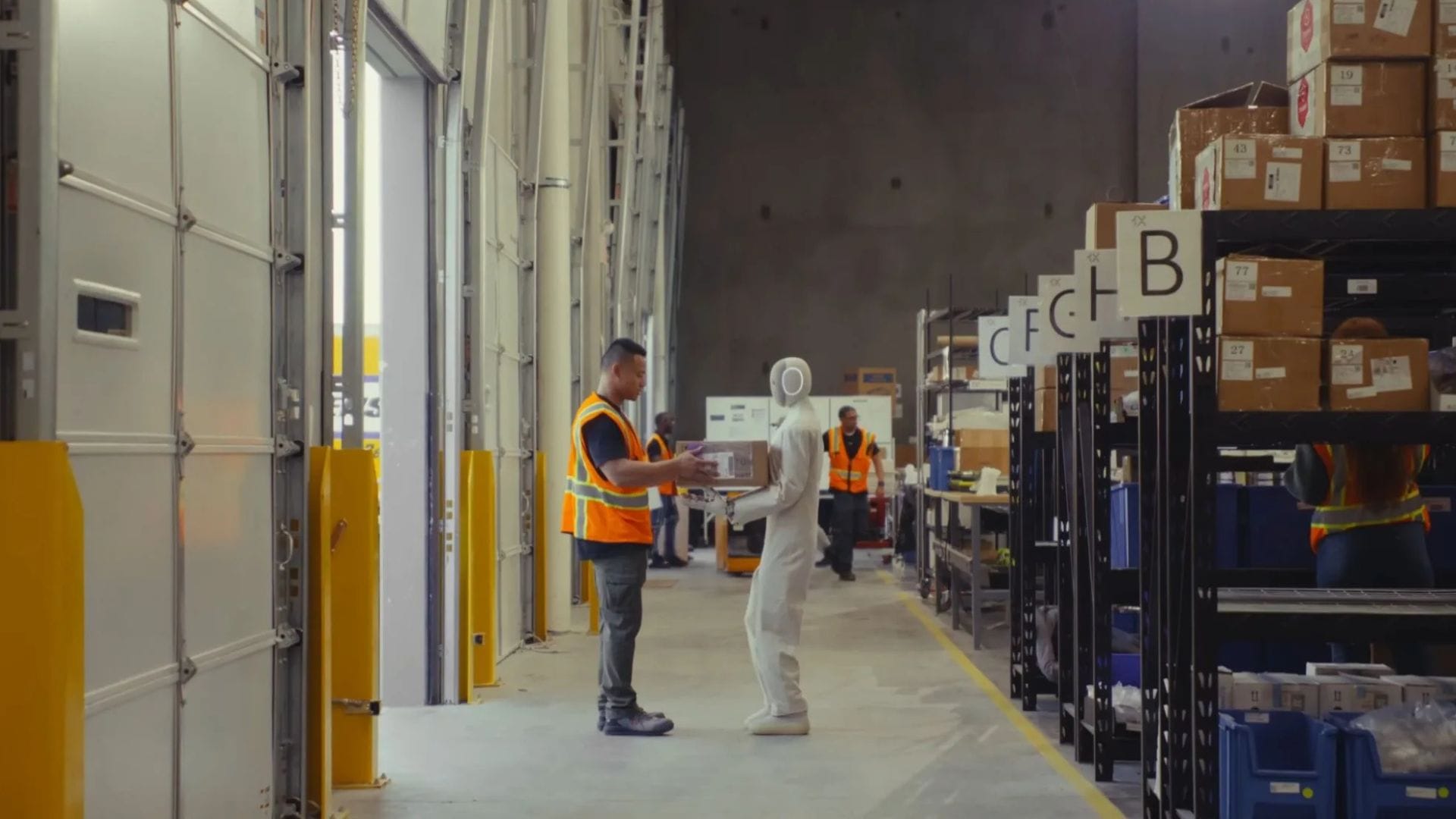
Samsung’s decision to prioritise factory robots reflects its broader goal of transforming its global manufacturing network into AI-powered production facilities by 2030. The company has outlined a roadmap that includes a combination of industrial automation systems, logistics robots and humanoid technologies to improve efficiency across its operations.
Factories offer an ideal environment for introducing advanced robotics because the tasks are predictable and the surroundings can be carefully managed. Samsung also benefits from operating manufacturing sites around the world, providing opportunities to test and deploy new robotic systems within its own facilities before expanding into other markets.
While the company’s long-term vision includes more advanced humanoid machines, its current strategy is based on building a practical industrial robotics business. Rather than treating factories simply as testing grounds for future household robots, Samsung appears to be targeting commercial opportunities that already exist in manufacturing and logistics, where automation can deliver immediate operational benefits.
This measured approach allows Samsung to develop robotics technology while avoiding the challenges associated with launching consumer humanoid products before the technology is ready. Industrial applications continue to present fewer technical and commercial obstacles than robots designed to operate safely and effectively inside homes.
Rainbow Robotics strengthens Samsung’s development plans
Samsung strengthened its robotics capabilities through its acquisition of a controlling stake in Rainbow Robotics, a South Korean company founded by researchers who helped develop the country’s first bipedal humanoid robot. The acquisition provides Samsung with access to advanced robotics expertise as it accelerates development in both industrial and humanoid technologies.
One of Rainbow Robotics’ most notable products is the RB-Y1, which offers a practical example of the type of machine that could reach commercial deployment in the near future. Although the robot features two arms and a working range similar to that of a human, it moves using wheels rather than legs, making it more suitable for industrial environments where speed, stability and efficiency are priorities.
The RB-Y1 has reportedly undergone testing inside a warehouse operated by Coupang, although Samsung has not confirmed that the robot forms part of the official roadmap for the RX robotics division. Even so, the machine illustrates the company’s preference for practical engineering solutions over purely human-like appearances.
Although walking humanoid robots often attract attention through demonstrations, wheeled platforms currently offer significant advantages in workplaces. They can travel more efficiently across smooth factory floors and warehouse environments while carrying out repetitive tasks without the added complexity required for bipedal movement.
Consumer humanoids remain a future ambition
Samsung has indicated that its robotics plans could eventually extend beyond factories into retail settings and private homes. However, the company has not announced a consumer humanoid robot or provided any indication of when such a product might become commercially available.
The absence of a launch timeline reflects the significant technical challenges that remain in developing robots capable of performing everyday household tasks safely, reliably and at a reasonable cost. While advances in artificial intelligence continue to improve robotic capabilities, consumer-ready humanoids remain an emerging category across the technology industry.
Samsung’s previous experience with Ballie also highlights the uncertainty surrounding consumer robotics. The rolling home robot was originally expected to reach the market but did not launch as planned. Instead, Samsung later repositioned the project as an internal innovation platform, demonstrating how difficult it can be to turn ambitious robotics concepts into commercial products.
For now, Samsung’s robotics business is firmly centred on industrial automation, where demand is growing, and practical applications already exist. Humanoid robots continue to represent an important part of the company’s long-term vision, but their arrival in homes remains some distance away. Until Samsung announces a commercial consumer model, factory robots are expected to remain the company’s primary focus as it expands its presence in the robotics sector.