


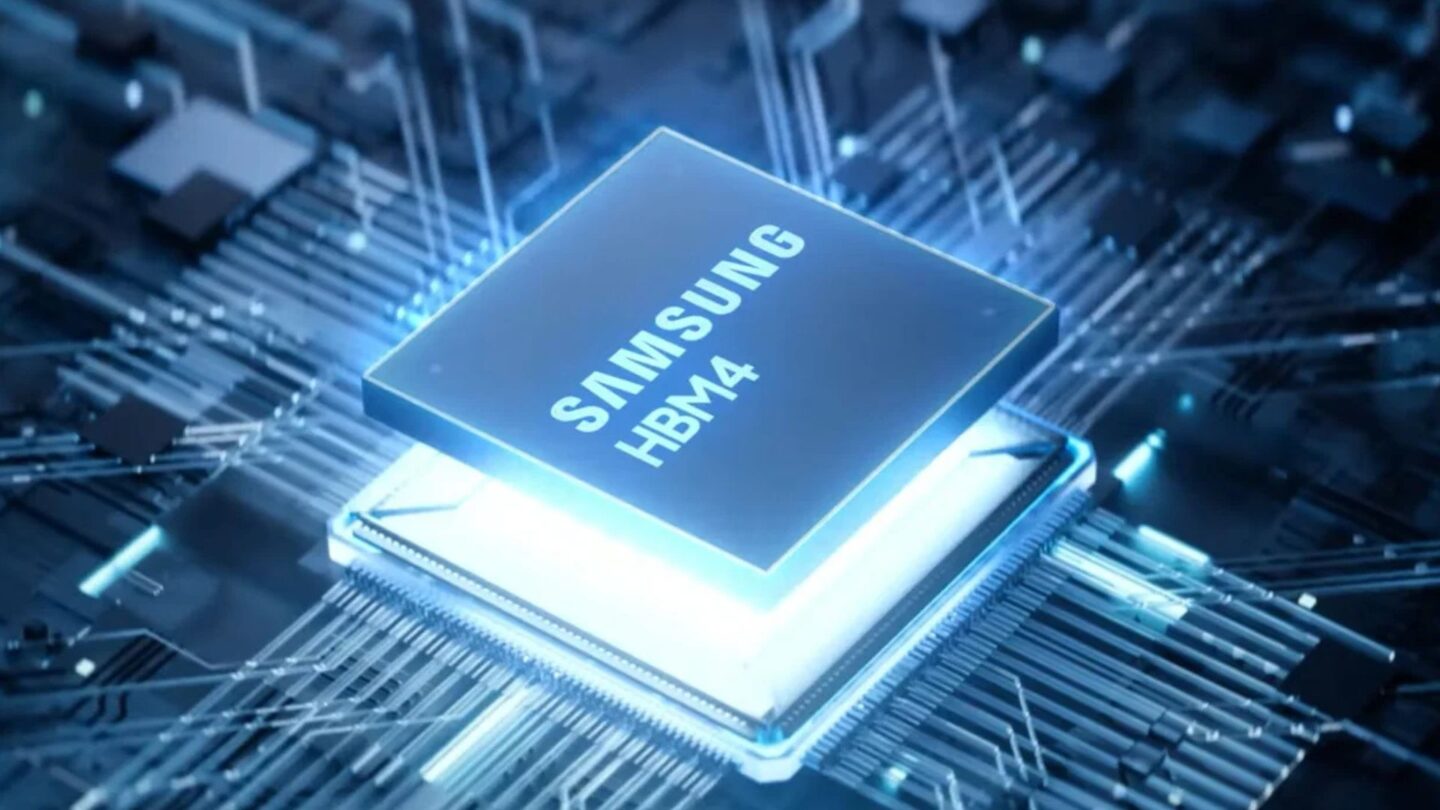
Samsung Electronics is reportedly shifting additional production of conventional memory modules to external manufacturing partners to free up internal capacity for more advanced memory technologies. The shift is expected to affect future production increases for DDR5 memory modules and solid-state drives (SSDs).
The move comes as demand for high-bandwidth memory (HBM), widely used in artificial intelligence (AI) systems, continues to pressure semiconductor manufacturing capacity. Samsung is increasingly prioritising advanced packaging operations, leaving less room for expanding conventional memory production at its own facilities.
Samsung turns to partners for DDR5 and SSD capacity
Industry sources say Samsung has decided to rely more heavily on outsourced semiconductor assembly and test (OSAT) companies for additional DDR5 module and SSD production. Rather than expanding its own conventional memory module manufacturing lines, the company is reportedly directing external partners to increase their capacity.
“Samsung Electronics lacks space to expand existing back-end production lines needed to manufacture semiconductors for artificial intelligence (AI), so it is reallocating space and equipment at packaging plants in Cheonan and Onyang to advanced packaging lines, including HBM,” a person familiar with the matter said.
“The company has decided to handle most increases in conventional memory module production through outsourcing rather than expanding its own capacity.”
Samsung has reportedly asked several manufacturing partners to accelerate both existing and planned capacity expansion projects. The strategy is intended to let the company increase conventional memory output without taking additional space from production processes that are becoming more important to its AI-focused business.
Several suppliers are already expanding their operations. Dreamtech, Hanyang Digitech and SFA Semicon are among the companies responding to Samsung’s requirements, with investments and production changes taking place across Asia.
Dreamtech started mass production of DDR5 modules in India in November last year and received approval for additional equipment investment in June. Its facility in Noida, previously used for smartphone circuit board assembly, is expected to eventually reach an annual production capacity of more than 50 million units.
Hanyang Digitech has also been expanding its operations. The company has invested more than 31.5 billion won in 2026 to automate its existing memory module facility in Vietnam, supporting greater production efficiency as demand for conventional memory continues.
HBM takes priority as Samsung faces limited space
Samsung’s decision is closely linked to capacity constraints at its own semiconductor facilities. The company is building a new HBM plant at its Onyang campus, reportedly valued at around 6 trillion won. The facility is expected to take several years to complete, limiting space for additional conventional memory production in the meantime.
The Onyang site is also being reorganised to accommodate advanced packaging operations. HBM requires more sophisticated packaging processes than conventional DDR5 memory modules, making production space and specialised equipment particularly important as manufacturers compete to supply the growing AI semiconductor market.
SFA Semicon is also preparing to move DDR5 testing and assembly equipment from Samsung’s Onyang campus to a new facility in the Philippines. The transition is scheduled to begin in November, with a second phase planned for the second quarter of 2027.
Samsung is simultaneously expanding its wider manufacturing footprint in Vietnam. Samsung is building a separate back-end processing facility worth $1.5 billion in Thai Nguyen Province in northern Vietnam. The plant is expected to focus on testing older memory technologies, including DDR4, LPDDR4, NAND flash and universal flash storage.
The production processes involved in conventional memory modules are relatively straightforward compared with the advanced packaging required for HBM. DDR5 modules are produced by mounting prepackaged DRAM and NAND chips onto circuit boards using surface-mount technology. This makes the work more suitable for outsourcing to specialised manufacturing partners.
Samsung’s strategy follows a wider industry trend
Samsung’s approach reflects a broader effort among memory manufacturers to concentrate internal resources on products that require more specialised manufacturing capabilities. As AI infrastructure expands, HBM has become increasingly important because it provides high memory bandwidth for processors used in AI servers and data centres.
Conventional memory products such as DDR5 and SSDs remain essential to the wider computing market, but manufacturers can use external partners to handle some assembly and testing. This lets major semiconductor companies reserve valuable factory space and equipment for more advanced products.
Micron has previously adopted a similar strategy, moving some conventional memory production to external partners while focusing its own resources on higher-value products. The approach demonstrates how manufacturers can use outsourcing to balance demand for mainstream memory with growing requirements for advanced semiconductor packaging.
It remains unclear whether SanDisk will adopt a similar model. The company’s manufacturing footprint, product portfolio, and production requirements differ from those of Samsung and Micron, so the same strategy may not be appropriate.
For Samsung, however, the shift towards outsourced DDR5 and SSD production provides a way to increase conventional memory output. At the same time, its own facilities are increasingly dedicated to HBM and other advanced technologies. As AI-related demand continues to influence semiconductor investment, the balance between in-house manufacturing and outsourced production is likely to remain an important consideration across the memory industry.