


Smartphones have spent more than a decade making everyday photography more reliable. Modern camera software brightens faces, lifts dark shadows, sharpens edges, and combines several shots before an image even registers on the screen. These camera systems combine several frames and adjust bright and dark areas to produce more consistent results in difficult lighting. While these results are convenient and technically dependable, they can also look increasingly similar, making different scenes feel more alike and smoothing out natural contrast.
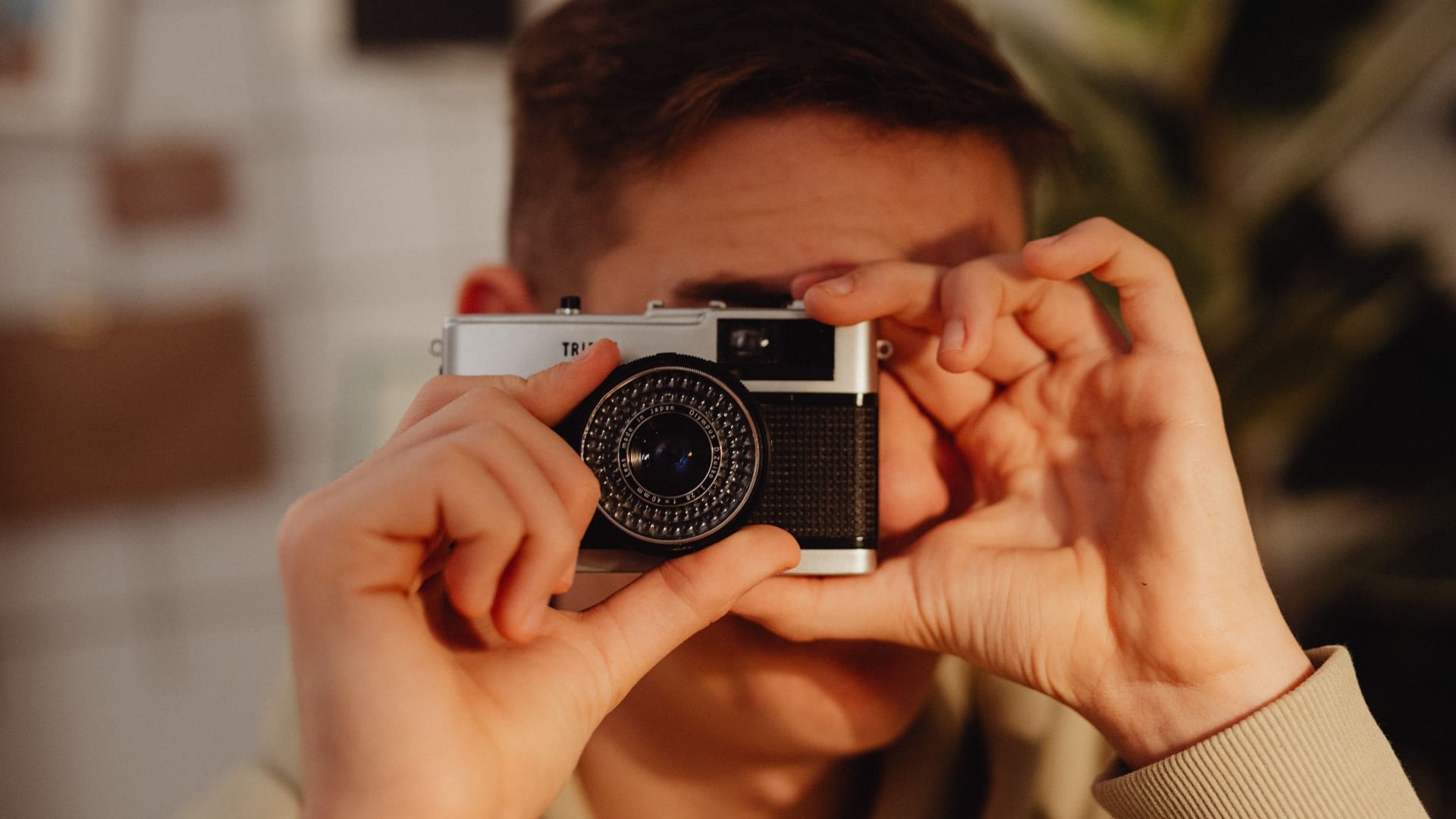
Early-2000s compact digital cameras work very differently. Their small sensors struggle in low light, direct flashes flatten subjects, colours drift, and autofocus frequently misses. Hardware limitations such as basic lenses and strong JPEG compression reduce fine detail further, producing soft images with recognisable digital flaws. Camera manufacturers spent years attempting to eliminate these technical weaknesses. Today, a growing group of younger photographers views those exact limitations as the main appeal, using those hardware flaws to create images that look different from photos automatically enhanced by smartphones.
Dismissing the digital camera revival as simple nostalgia overlooks what is driving the trend. Most Gen Z buyers have little personal memory of the era these cameras represent. Rather than chasing fondness for a past they experienced, they are seeking a style of photography that pushes back against the consistently polished look of modern phone camera software.
This trend does not represent a complete rejection of smartphones, as most images will still be captured, stored, and shared on mobile devices. Instead, the point-and-shoot has returned because its physical friction offers a clear psychological advantage over the frictionless smartphone. On a mobile device, taking a picture, checking the exposure, and assessing its social media appeal happen instantly on the same screen, converting casual photography into real-time self-auditing. A standalone camera removes that pressure by separating the action of taking a photo from publishing it online.
Managing separate batteries, low-resolution displays, and memory card transfers introduces an enforced delay between taking a photograph and seeing the result. That physical barrier prevents instant retakes, immediate editing, and live online comparison, forcing the user to stay engaged with the event rather than managing their digital presence. Furthermore, a single-purpose camera operates without push notifications, feed updates, or audience analytics, making photo-taking a deliberate activity rather than a background habit. That friction ultimately restores anticipation to the creative process, offering a distinct psychological relief that an all-in-one smartphone cannot provide.
The comeback is smaller than it looks
Demand for old compact cameras has expanded across resale platforms, specialist shops, and social media sellers. Forgotten devices that once sat in drawers now sell for high prices, frequently spiking in value following viral posts or creator recommendations.
This trend coincides with a wider return in demand across the dedicated camera market, as different buyers look for different requirements. Premium fixed-lens cameras such as the Fujifilm X100 series attract users seeking better lenses, larger sensors, and physical controls. Creator-focused compacts compete on video performance and portability, while retro-styled models rely on retro design and limited production. Early-2000s digital cameras appeal to a smaller group drawn to their technical limitations, age, and the way they handle colour, exposure and flash. These older digital cameras sit at the cheaper, lower-resolution end of the market, offering unpredictable results without the high cost of modern cameras aimed at enthusiasts.
A modern compact like a mirrorless camera is chosen to outperform a smartphone, whereas an older point-and-shoot is chosen because it fails to match one. Buyers look beyond usual specifications such as autofocus speed, dynamic range, or low-light performance, seeking hardware that leaves a recognisable look in the image. Heavy grain, colour casts, missed focus, and flash glare become intentional parts of the style rather than defects to be corrected.
Limited supply also causes prices to change quickly. Manufacturers ceased production years ago, and the number of working cameras continues to fall as batteries fail, screens break, and older memory card formats become harder to use. As a result, sudden online attention can quickly turn what seems like an ordinary model into a scarce item before buyers can decide whether the camera is worth the higher price. Because replacement parts are hard to find, working units can sell for far more on resale platforms than their original value would suggest.
While these prices reflect genuine consumer interest, the market remains a niche alongside dominant smartphone photography. The digital camera revival reflects an interest in an alternative look, using older hardware that trades consistent software processing for unpredictable results.
The flaws are doing the creative work
Online discussions frequently attribute the Y2K look entirely to charge-coupled device (CCD) sensors, but the sensor is only one part of a wider camera system. Lens quality, flash power, exposure metering, white balance, autofocus speed, and early image processing software all contribute to the final image. This combination of hardware limitations explains why two compact cameras from the same era can produce drastically different results. One model might produce cool, muted colours, while another gives skin warmer or greener tones. Built-in flashes vary just as widely, with some lighting subjects evenly and others throwing harsh light across faces while dropping backgrounds into complete shadow. In addition, long flash recharge times and slow response mean photographers must time their shots carefully instead of taking several pictures quickly. Camera limitations such as shutter lag, or the delay after pressing the shutter, and slow autofocus further affect the result by changing how a photographer frames and times a shot.
Modern smartphones are designed to reduce these differences through camera software that merges multiple exposures, detects faces, balances lighting, and applies automatic sharpening or noise reduction. While these systems increase the likelihood of getting a better, more usable photograph in challenging conditions, they also produce images that look similar in terms of brightness, colour, and detail. Older compact cameras, in contrast, preserve the camera’s physical limits. A blown-out highlight reveals the sensor’s limited ability to retain bright and dark detail, a pitch-black background shows the limited range of a small flash, and motion blur shows that the shutter could not freeze movement.
This effect remains difficult to recreate accurately through editing software. Editing applications can add date stamps, shift colour balance, and add artificial grain, but they usually start with a balanced, high-resolution smartphone image and add the effect afterwards, applying artificial filters over clean, automatically processed files. An early digital camera creates these limits as the photograph is taken, leaving the user unable to predict exactly which parts of a frame will lose detail, look distorted, or appear too dark before the file is saved. Because early digital sensors lose bright detail suddenly instead of gradually, the effect created by older lenses and sensors cannot be copied accurately with editing software. Accepting that lack of control also allows chance to shape the final result, transforming technically flawed photographs into distinctive images. For photographers accustomed to equipment that automatically corrects every exposure error, that uncertainty offers a different creative option from an automatically improved smartphone image.
How TikTok further turned a visual style into a hardware trend
The uneven colours, harsh direct flash, and soft detail of early digital photography stand out in feeds filled with bright, automatically processed smartphone images. Platforms such as TikTok and Instagram expanded the reach of this style, introducing it to younger audiences with no first-hand experience of early digital photography. The strong contrast and direct flash catch attention beside the smoother lighting produced by smartphone HDR, encouraging users to pause as they scroll.
This attention begins to influence purchases because creators connect the photographs to the specific hardware that produced them. Videos often show retro-styled photographs, name specific camera models, and compare how different point-and-shoot devices handle colour, exposure, and flash lighting. Framing the look as a result created by the camera itself, rather than a software filter, gives viewers a specific camera to search for.
Linking a particular style to specific cameras turns viewer interest into demand for used cameras. Viewers then seek to recreate the same unpredictable look and search for the same models shown in popular content, directing more buyers towards a limited supply of older cameras. This creates a buying cycle in which viral videos drive up used prices, turning popular cameras into status symbols that generate more content. As price increases make specific models unaffordable, creators produce more videos recommending cheaper point-and-shoot alternatives, extending demand across the wider used-camera market.
TikTok did not invent the interest in imperfect photography, but it made the link between the look and older cameras easy to identify, search, and replicate. In doing so, discovery through social media turned a niche photographic style into wider demand for old cameras.
Imperfection has become its own form of polish
The digital camera revival does not suggest that Gen Z prefer inferior images, but rather that technical quality is only one way to judge an image.
Smartphones produce clean, instantly shareable results with little effort, yet automatic processing can make photographs from different devices and settings look very similar. Older point-and-shoot cameras preserve more of the camera’s own character. While harsh flash, uneven exposure, and early digital grain reduce technical accuracy, they give each photograph a recognisable look.
This difference can quickly become another established style. As the look becomes popular on social media, users start favouring specific camera models, exposure effects, and visual rules, while mobile editing apps turn those same traits into ready-made filters. What starts as an escape from polished smartphone processing quickly develops into another carefully managed look.
The trend challenges the idea that a good photograph must be technically perfect. Where smartphones aim for dependable, automatically balanced results, early digital cameras leave space for chance, visible camera limitations, and unpredictable results. Their appeal comes not from producing better photographs, but from creating images that feel less processed and with more character.